Fridge Hackers? What it Means for Your Wallet!
Hackers messed with supermarket fridges across Europe! Find out how big tech problems can affect your family's money and what you can do.
Inspired by: Hackers activate automatic defrosting in supermarket fridges across Europe
Did you see the news about hackers messing with supermarket fridges all across Europe? It sounds like something out of a spy movie, doesn't it? Apparently, some tricky folks managed to activate the automatic defrosting in a bunch of supermarket fridges, which could mean a lot of spoiled food! While this happened far away, it's a great reminder that even big, techy problems can have a real impact on our everyday lives – and our money.
When Tech Goes Wrong, Who Pays?
Imagine you're a supermarket owner. One morning, you wake up to find out all your freezers have defrosted overnight. All the ice cream, frozen veggies, and meat? Ruined
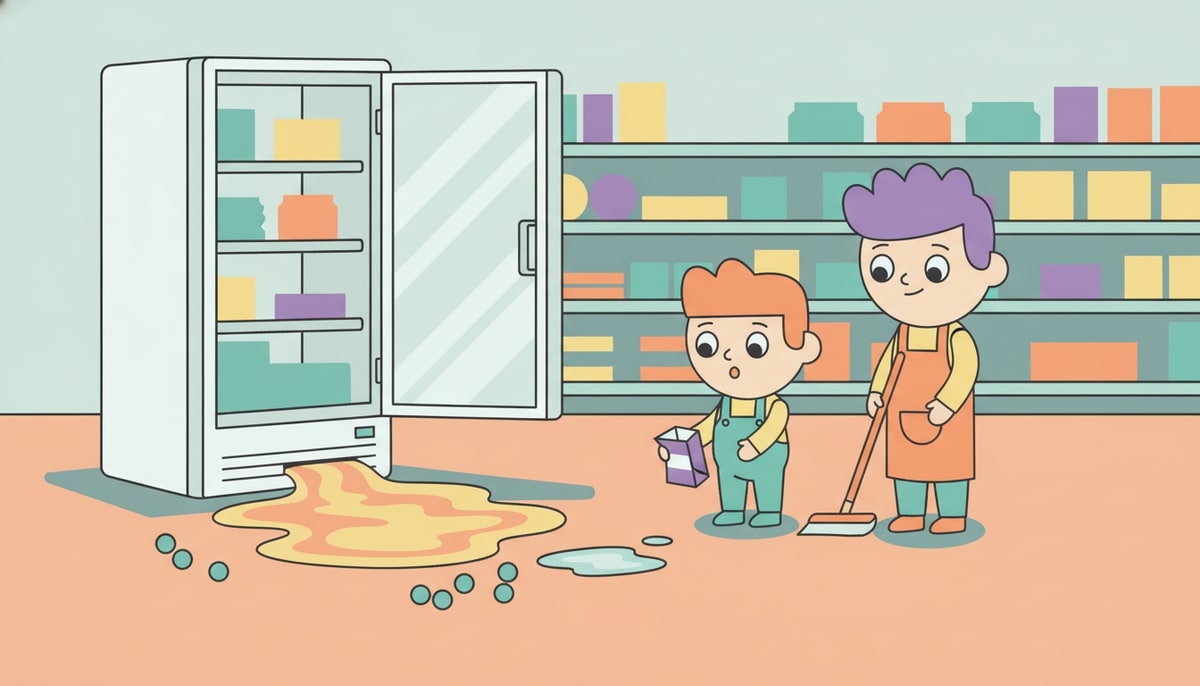 ! That's a huge loss for the store, and someone has to pay for it. The supermarket might lose money because they have to throw out food and then buy new stock. They might also lose customers who can't find what they need.
This kind of problem, where technology is attacked or breaks down, is called a "cyberattack" or a "system failure." It's a big deal because so many things we rely on today, from our phones to our grocery stores, use computers and the internet.
The Ripple Effect: How It Touches You
You might think, "Well, I don't own a supermarket, so what does this have to do with me?" Great question
 ! Think about it this way:
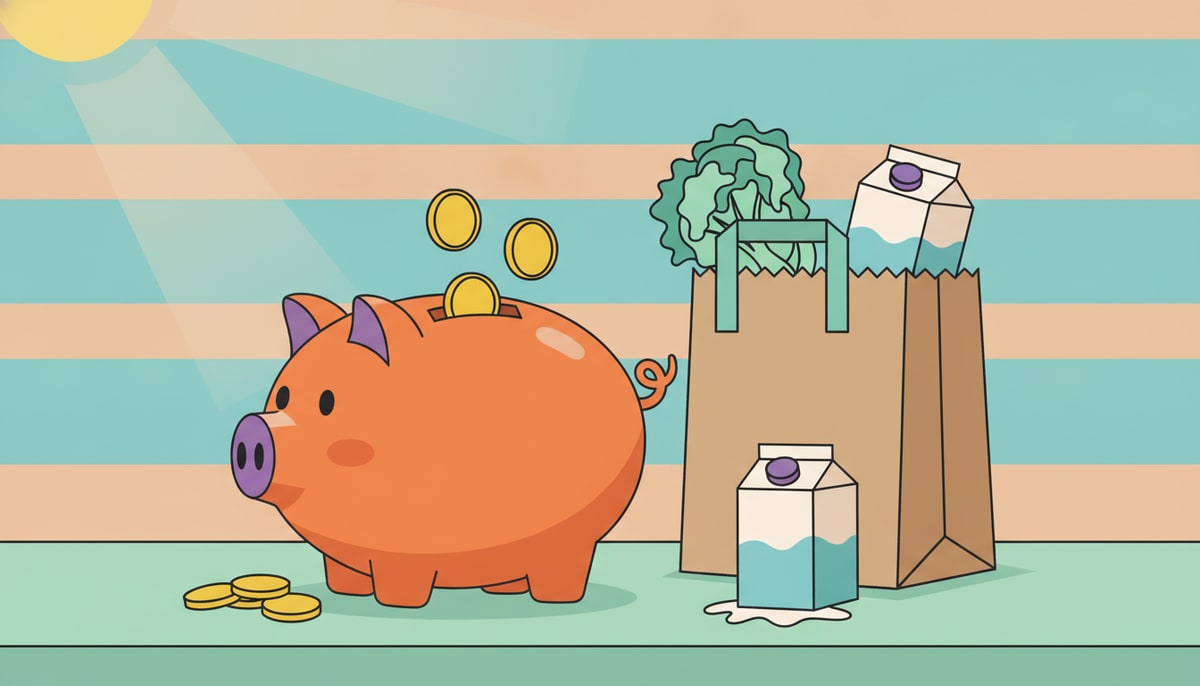
- Higher Prices: If supermarkets lose a lot of money because of spoiled food, they might have to raise prices on other things to make up for it. This means your family might end up paying a little more for your favorite snacks or dinner ingredients.
- Less Choice: If a store has to throw out a lot of food, they might not have your favorite brand of yogurt or that specific type of bread you love for a while. This can be frustrating when you're trying to stick to your family's grocery budget.
- Supply Chain Snags: This incident only affected fridges, but what if hackers messed with the trucks that deliver food, or the factories that make it? It could slow down everything, making it harder and more expensive to get goods to stores.
Protecting Your Own Digital "Fridge"
While you can't stop hackers from attacking supermarkets, you can learn a lot from this about protecting your own things, especially your digital "stuff." Just like a supermarket needs good security for its fridges, you need good security for your online accounts and devices.
- Strong Passwords: This is like the lock on your fridge door. Make sure your passwords for games, school accounts, or anything online are strong and unique. Don't use your birthday or "password123"!
- Be Smart Online: Don't click on strange links or download things from websites you don't trust. This is like not leaving your fridge door wide open for anyone to walk by and grab something.
- Talk to Your Parents: If you ever see something weird online or get a message that seems off, always tell a grown-up. They can help you figure out if it's safe.
This fridge hacking story shows us that even in our modern world, things can go wrong. But it also teaches us the importance of being prepared, understanding how things work, and protecting what's important – whether it's a big supermarket's food supply or your own online information and family budget.
P.S. Parents, talk to your kids about creating strong, unique passwords for their online accounts. Even simple game accounts can be a gateway for hackers. A password manager can be a great tool to introduce for older kids!
Stay in the loop
We ship new free guides, printables, and the occasional deal — roughly twice a month. No spam, unsubscribe anytime.
Three streams available: 30-day welcome series, biweekly newsletter, and (opt-in) daily blog posts. Pick which you want after signing up. One click to unsubscribe from any.