AI in Apartment Ads? What It Means for Your Money!
New York City is looking at rules for AI in rental listings. Discover how this tech affects what you pay and what you get.
Inspired by: NYC may require landlords and realtors to disclose the use of AI in listings
Have you ever seen an amazing picture of an apartment or a house online, only to visit it in person and find it looks… different? Maybe the room seemed bigger, or the garden lusher, or the sunlight brighter in the photo? Well, a big story from Hacker News today is all about how New York City might start making landlords and realtors tell you if they're using Artificial Intelligence (AI) to create those listings.
This might sound like a grown-up problem, but it’s actually a super important lesson about money, honesty, and making smart choices – even for kids!
What's the Big Deal About AI in Listings?
Imagine you're selling your favorite toy. You take a picture of it, right? Now imagine you use a super-smart computer program to make that toy look shinier, bigger, or even add a cool background that isn't really there. Would that be fair to the person who wants to buy it?
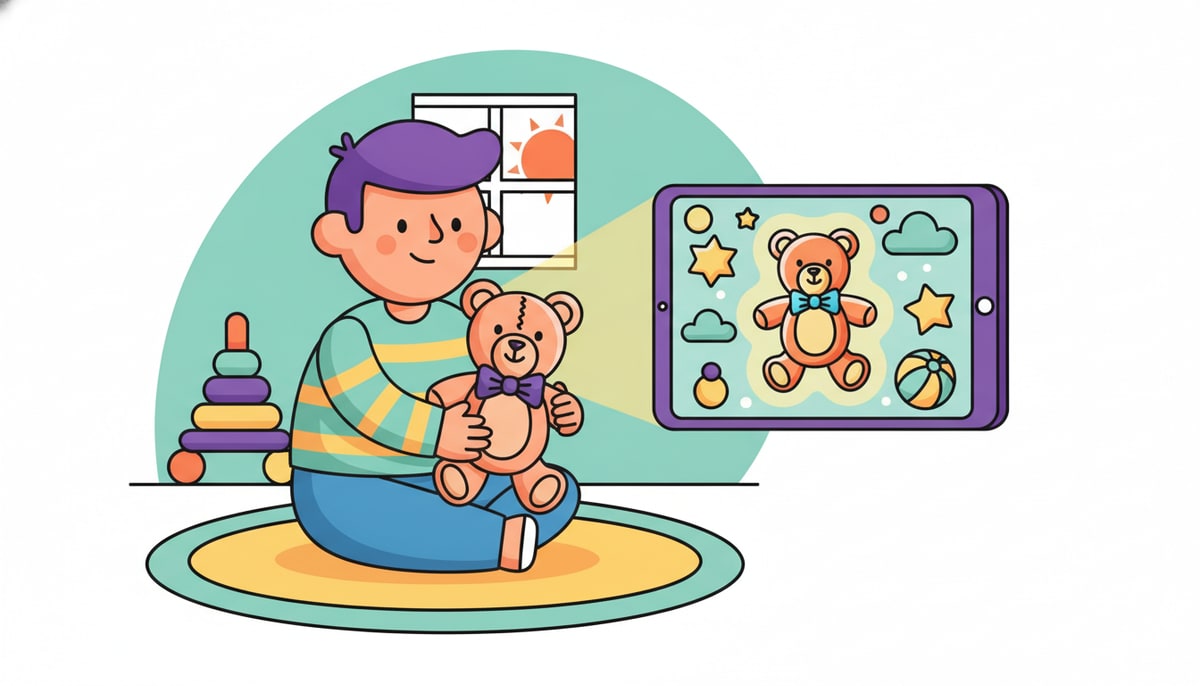
That's kind of what AI can do for apartment listings. It can "stage" an empty room with virtual furniture, make a small space look huge, or even write descriptions that sound incredibly appealing, almost magical! While some of this can be helpful (like seeing what a room could look like), it can also be used to make things seem better than they actually are.
The "What You See Isn't Always What You Get" Rule
This NYC news reminds us of a really important money lesson: always be careful about what you see and hear, especially when someone is trying to sell you something. This isn't just about apartments; it's about everything from toys to video games to snacks.
Think about it:
- Ads on TV or YouTube: Do they always show the real thing, or do they make it look extra exciting?
- Pictures of food: Does your burger ever look exactly like the one in the commercial?
- Games with in-app purchases: Do they promise you'll be super powerful right away, or do you have to spend a lot to get there?
Just like those apartment listings, ads often use clever tricks to make you want something. AI is just a new, super-powerful trick!
Your Money Superpower: Asking Questions
So, how do you protect your piggy bank from these clever tricks? You become a detective!
- Ask "Is this real?" When you see something that looks too good to be true, pause. Could AI or fancy editing be involved?
- Look for proof. If an ad says a toy is "indestructible," ask for a video of someone trying to break it. If a game promises "unlimited coins," read reviews from other players.
- Compare and contrast. Look at different options. If one toy looks amazing and costs a lot, but another similar toy looks normal and costs less, investigate why.
- Save for the real deal. Instead of falling for something that looks great but might disappoint, save your money for something you've researched and know is a good choice.
The new rules in NYC are about making sure people get honest information when they're making a big decision like where to live. For you, the lesson is to always be smart, question what you see, and make sure your hard-earned money goes towards things that are truly valuable and what you expect.
P.S. This week, challenge your child to pick out an advertisement (for a toy, food, or anything!) and discuss together: "What do you think is real in this ad, and what might be a little bit of a trick to make you want it more?" It's a fun way to build critical thinking about money!
Stay in the loop
We ship new free guides, printables, and the occasional deal — roughly twice a month. No spam, unsubscribe anytime.
Three streams available: 30-day welcome series, biweekly newsletter, and (opt-in) daily blog posts. Pick which you want after signing up. One click to unsubscribe from any.