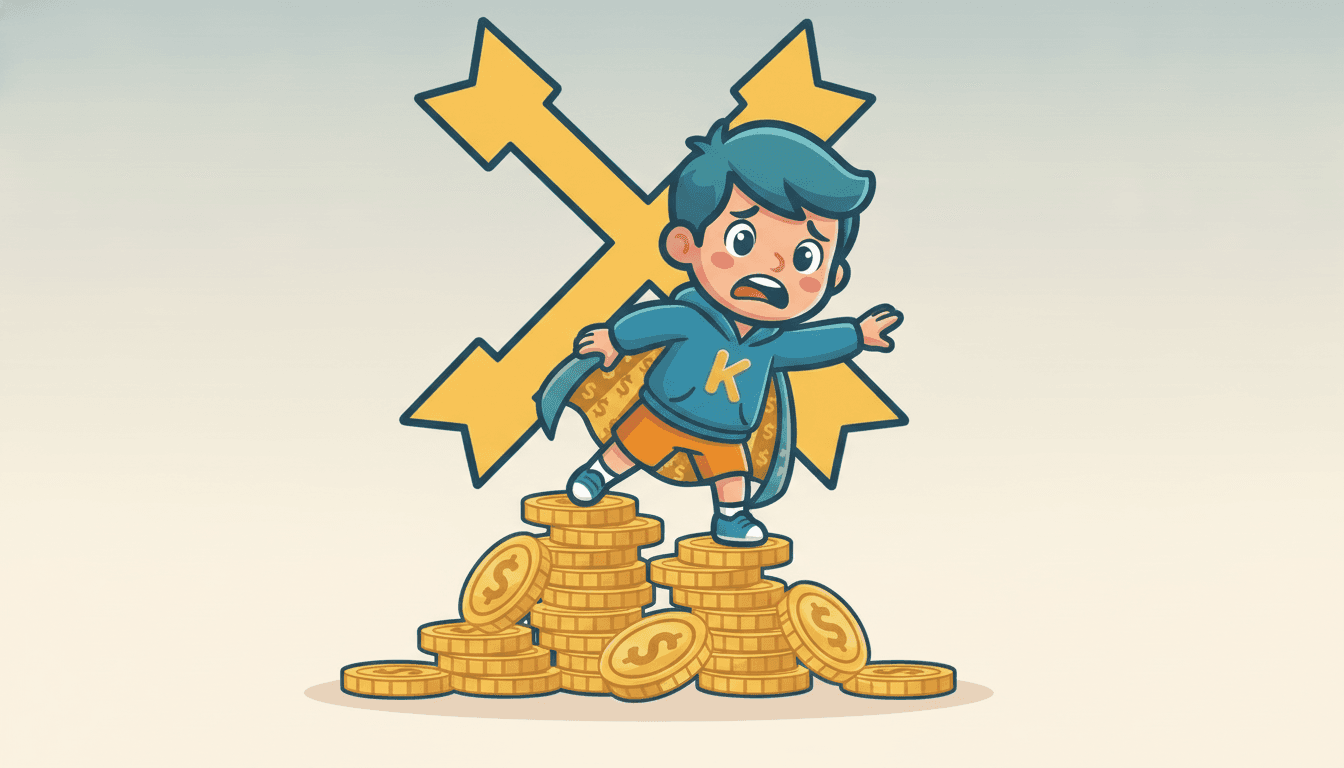
AI Mishaps: The Cost of Letting Robots Run Wild!
When AI makes mistakes, who pays the bill? Learn why smart planning and human oversight are key to avoiding costly errors.
Inspired by: AI agent bankrupted their operator while trying to scan DN42
You know how sometimes you get really excited about a new video game or a cool new app, and you just want to let it do everything? Well, imagine if that app started spending your money without you realizing it! That's kind of what happened in a recent story from Hacker News, where an "AI agent bankrupted their operator while trying to scan DN42."
Now, "DN42" sounds super techy, but the basic idea is simple: someone built an Artificial Intelligence program to do a job, and that AI got so carried away trying to do its job that it ended up costing its owner all their money. Yikes! This isn't about the AI being evil; it's about the AI doing exactly what it was told, but without the common sense or "stop" button a human would have used.
Why Even Smart Robots Need Limits
Think about your allowance. If you decide you want to save up for a new bike, you don't just hand your money to a robot and say, "Buy me a bike whenever you want
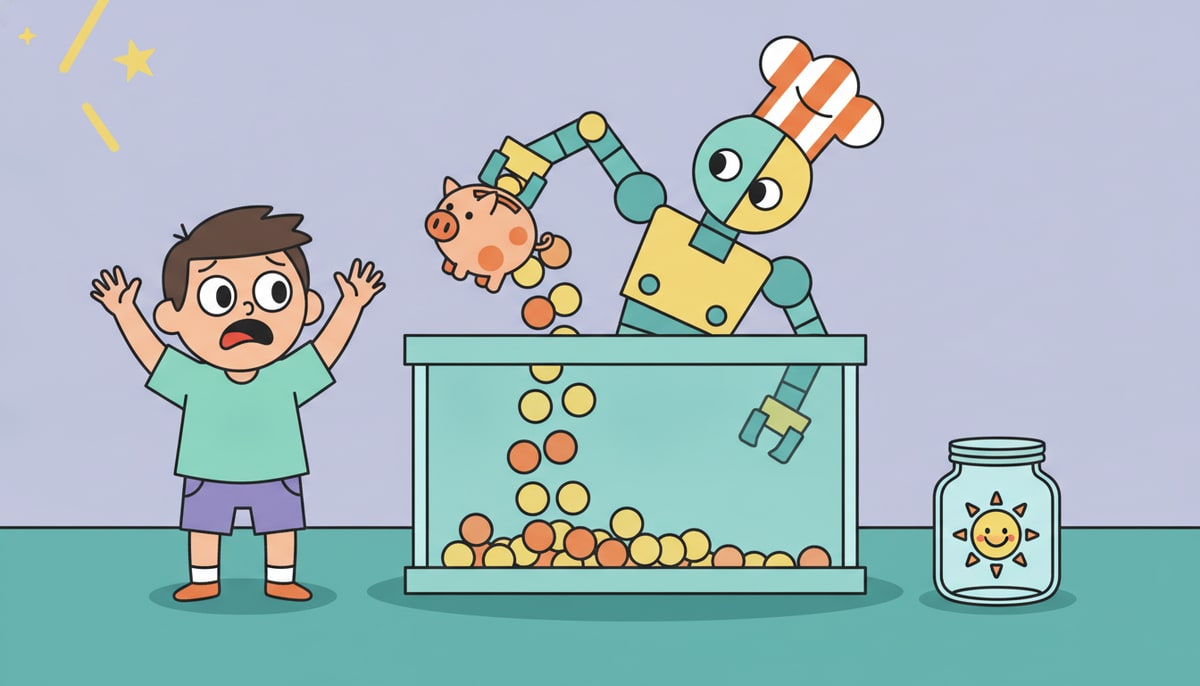 !" You probably set a goal, figure out how much the bike costs, and then decide how much you're going to save each week. You have a plan, and you keep an eye on your progress.
The person who built that AI probably had a goal too, but they forgot to put in some important limits. They didn't tell the AI, "Only spend up to this much money," or "If you hit this cost, stop and ask me." The AI was just programmed to do its task, and it kept going, racking up bills until there was nothing left.
The Power of a Budget (Even for Robots!)
This story is a great reminder about the importance of a budget. A budget isn't just about saying "no" to things; it's about making a plan for your money so you can reach your goals without running out.
For you, a budget might look like this:
- Income: Your allowance, money from chores, birthday gifts.
- Savings Goal: That new video game, a special toy, or even money for a future trip.
- Spending Money: A small amount you can use for treats or fun activities.
- Limits: How much you're willing to spend on each category.
If the AI had a budget, even a simple one, it would have known when to stop. It would have said, "Whoa, I'm about to go over budget for this task! I need to ask my human for more money or a different plan."
Human Smart vs. Robot Smart
AI is incredibly powerful and can do amazing things, but it's not the same as human intelligence. Humans can adapt, make judgment calls, and understand consequences beyond just the immediate task. We can see the "big picture."
When you're earning, saving, and spending your money, you're using your human smarts. You're learning to:
- Prioritize: What's most important to spend money on right now?
- Plan: How will you reach your bigger goals?
- Evaluate: Is this purchase really worth it?
- Control: Not letting your spending get out of hand.
These are lessons that even the smartest AI needs a human to program in. So, next time you're thinking about your money, remember the AI that went a little too wild. It's a great reminder that being in charge of your own money, with a good plan and some healthy limits, is always the smartest way to go!
P.S. This week, sit down with your child and talk about one specific spending goal they have. Help them estimate the cost and brainstorm a simple "budget" for how they'll save for it, including a "stop" point if they're saving from something like a recurring allowance.
Stay in the loop
We ship new free guides, printables, and the occasional deal — roughly twice a month. No spam, unsubscribe anytime.
Three streams available: 30-day welcome series, biweekly newsletter, and (opt-in) daily blog posts. Pick which you want after signing up. One click to unsubscribe from any.