AI and Your Teen's Future: What's Their Data Worth?
A teacher used AI on a student's photo without consent. Let's talk about digital rights and what your kids' online data is really worth.
Inspired by: I'm about to graduate, and my teacher fed a picture of me into AI without my consent.
There's a story buzzing around online right now from a graduating high schooler who shared that their teacher fed a picture of them into AI without their consent. Yikes! This immediately brings up a lot of questions about privacy, technology, and what happens to our digital information once it's out there.
For us at KidCash, it also sparks a really important conversation about money. Not just about who owns the AI or the picture, but about the value of our digital selves – and how that value can be used, sometimes without us even realizing it.
Your Digital Footprint Has Value
Think about all the photos, videos, and information you and your kids share online. Every time you post a picture on social media, play a game, or even just browse the internet, you're leaving a digital footprint. For adults, this footprint is often used by companies to show us ads, recommend products, or even create new technologies like AI.
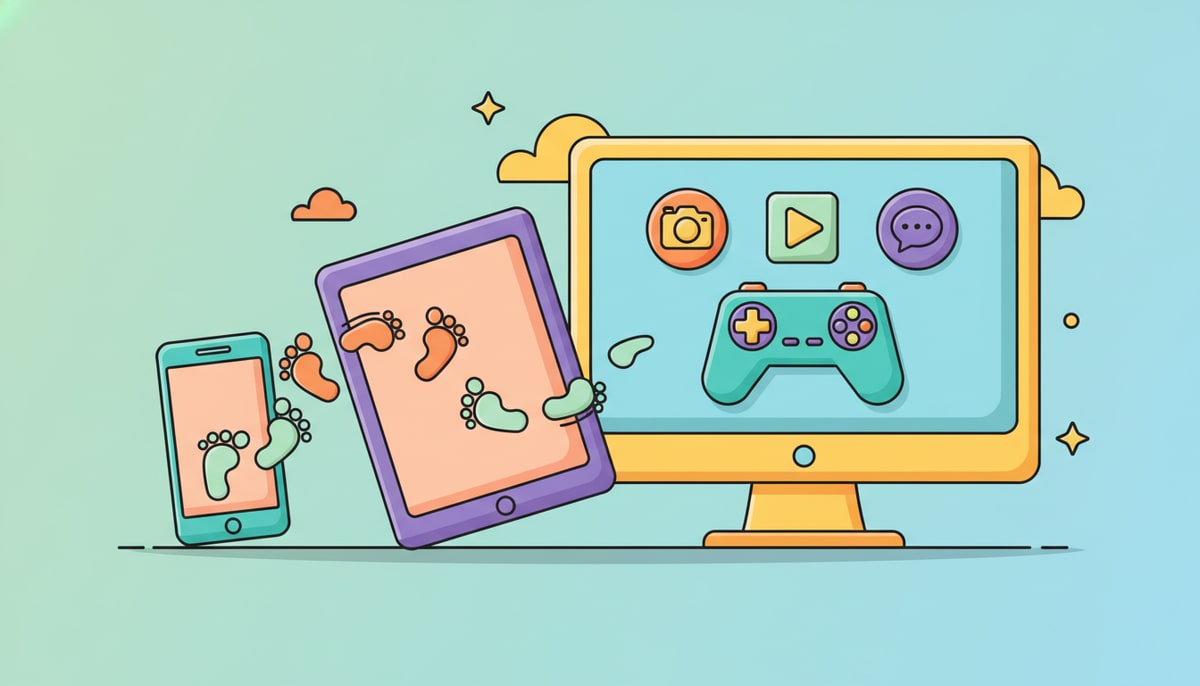
For kids, it's a bit different, but the principle is the same: their information has value. Maybe not direct cash value in their pocket right now, but it contributes to massive datasets that tech companies use to build tools and services. And those tools and services? They're worth a lot of money to those companies.
The "Cost" of Giving Away Your Data
When something is "free" online, whether it's a social media app, a game, or even a fun AI tool, remember that you're often paying with your data. This isn't always a bad thing – sometimes it makes our online experiences better and more personalized. But it's crucial for kids to understand that nothing is truly free.
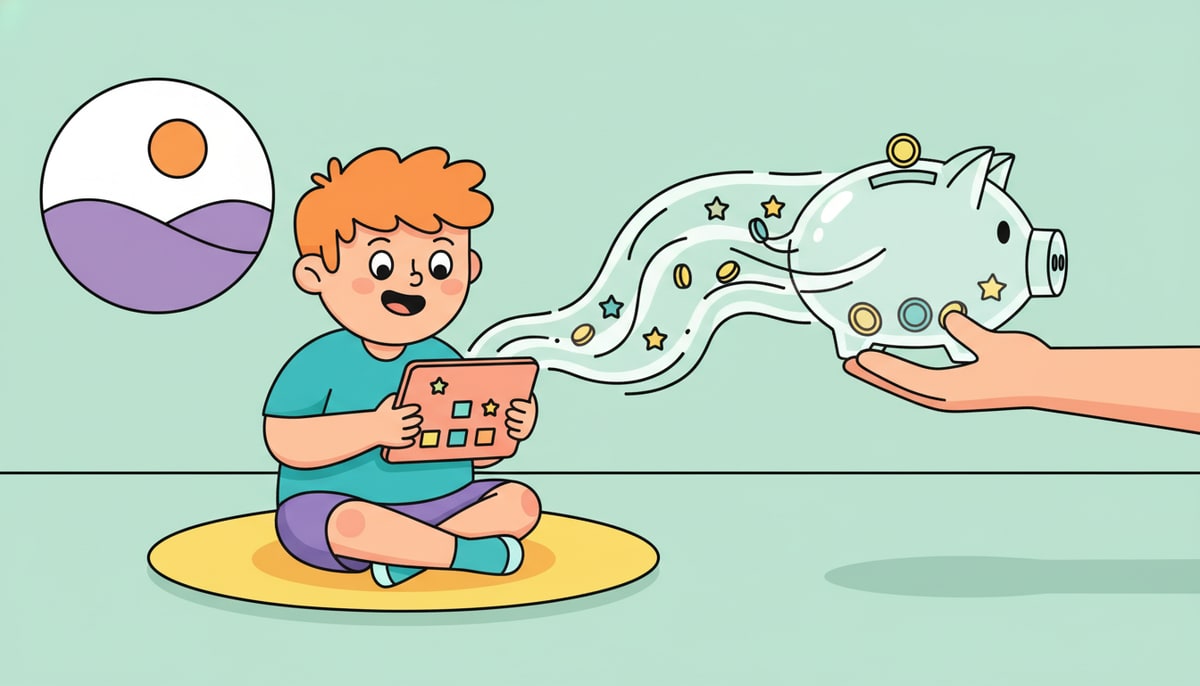
Imagine your favorite toy. Would you just give it away to someone who asked for it, without knowing what they'd do with it? Probably not! Your personal information, your photos, and your online habits are kind of like that toy. They belong to you, and you should have a say in how they're used.
Consent: A Money Lesson in Disguise
The teenager's story highlights the importance of consent. Just like you wouldn't let someone borrow your bike without asking, or take money from your piggy bank without your permission, your digital information should also be treated with respect and require your consent for its use.
Teaching kids about digital consent isn't just about privacy; it's about understanding the value of what they possess. It teaches them to be discerning about who they share their information with and to ask questions about how it will be used. It's about respecting their own "digital assets" and understanding that these assets have a form of currency in the modern world.
Protecting Your Digital Assets
So, what can you do?
- Talk about it: Have open conversations with your kids about what information they share online and why. Ask them if they understand how companies use their data.
- Read privacy policies (together!): While dense, even skimming through a privacy policy for a new app or game can be an eye-opening exercise for older kids. What are they agreeing to?
- Think before you share: Encourage kids to pause and think before posting a photo or signing up for a new service. Do they know what will happen to that information?
- Set strong privacy settings: Help them understand and use the privacy settings on their devices and social media accounts.
The digital world is constantly evolving, and the line between personal information and valuable data is getting blurrier. By teaching our kids about the value of their digital footprint and the importance of consent, we're equipping them with essential money skills for the 21st century.
P.S. This week, sit down with your child and review the privacy settings on one of their favorite apps or games. Talk about what information is being shared and why those settings matter.
Stay in the loop
We ship new free guides, printables, and the occasional deal — roughly twice a month. No spam, unsubscribe anytime.
Three streams available: 30-day welcome series, biweekly newsletter, and (opt-in) daily blog posts. Pick which you want after signing up. One click to unsubscribe from any.