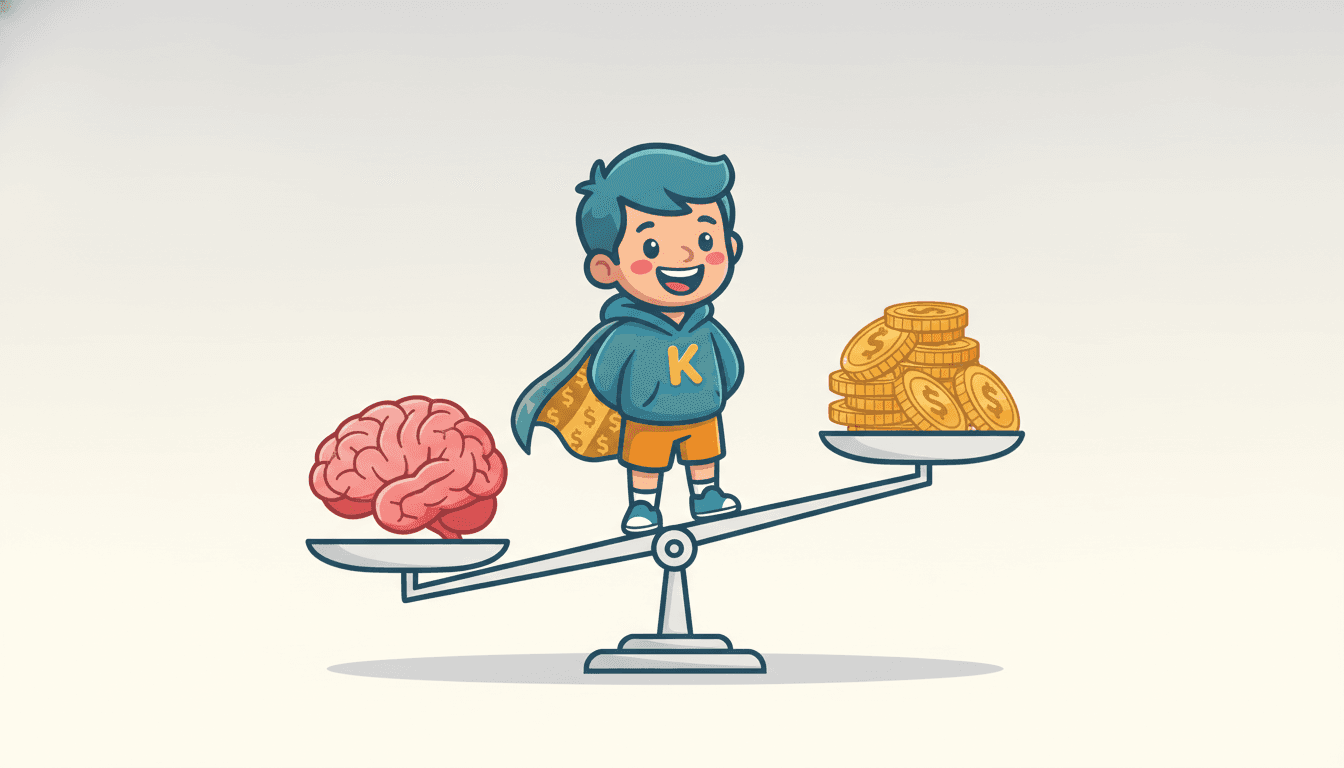
AI's Amazing Brains: What's the Real Cost of Smart Tech?
New AI models like GPT-6 are super smart! Let's explore how these powerful tools get made and what that means for your money.
Inspired by: Claude Opus 5.5
Have you heard about the new super-smart computer brains? Today, everyone is buzzing about the latest breakthroughs in Artificial Intelligence (AI), specifically new models like "GPT-6 Sol and Luna" and "Claude Opus 5.5." These aren't just regular apps on your phone; they're incredibly powerful computer programs that can write, create art, and even help solve really tricky problems. It's like having a super-genius assistant right at your fingertips!
But have you ever stopped to think about what it takes to create something so incredibly smart? It's not magic, even though it sometimes feels like it. There's a huge amount of effort, time, and yes, money, that goes into making these technologies happen.
The Invisible Costs of Innovation
When you see a cool new game or a powerful AI, it's easy to just focus on the final product. But behind every amazing invention are a ton of "invisible costs." Think about it:
- Brainpower: Super smart people (scientists, engineers, designers) spend years in school and then many more years working hard to figure out how to make these things. Their time and expertise are valuable!
- Super Computers: Training an AI model like GPT-6 isn't done on a regular laptop. It requires massive, specialized computers that are incredibly expensive to buy, build, and keep running. Imagine needing a whole room full of the most powerful gaming PCs you can think of, all working together!
- Electricity: All those powerful computers need a LOT of energy. Keeping them running 24/7 uses tons of electricity, which costs money.
- Research & Development: Before they even get to the final product, companies spend huge amounts of money trying out ideas, making mistakes, and learning what works and what doesn't. This "trial and error" phase is super important but also super expensive.
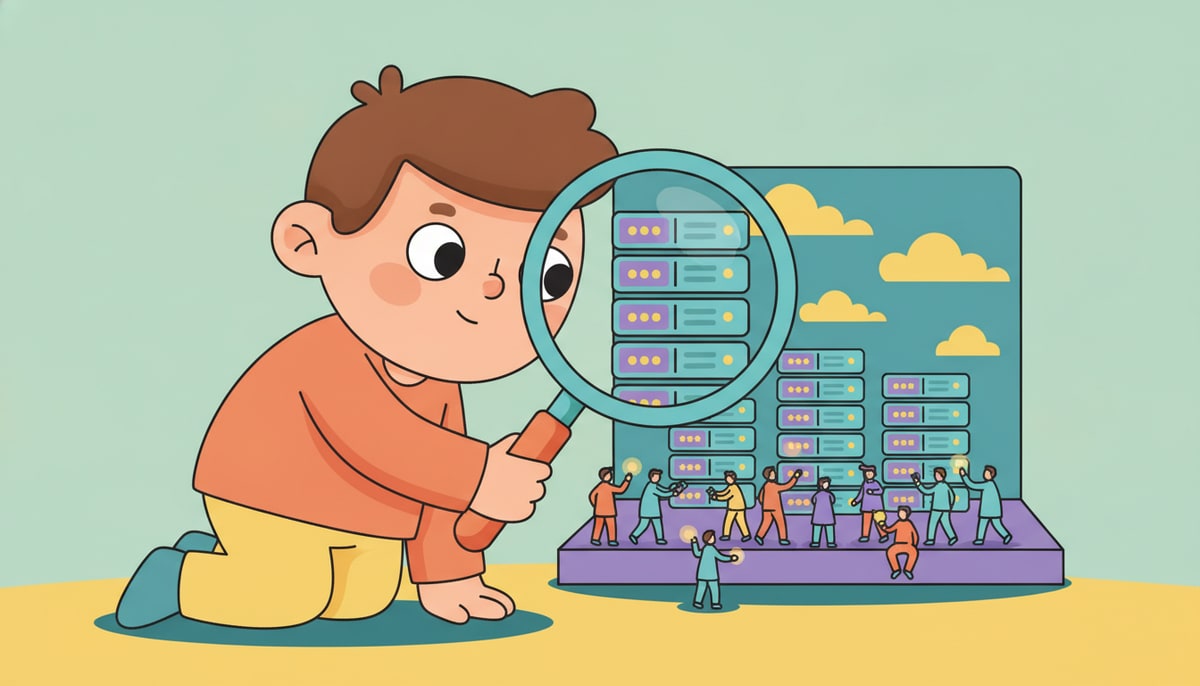
All these costs add up! Companies invest billions of dollars hoping that their new AI will be the best and that people will want to use it.
Why Does This Matter to Your Money?
You might be thinking, "What does a super-smart computer have to do with my allowance or saving for a new bike?" A lot, actually
 !
!
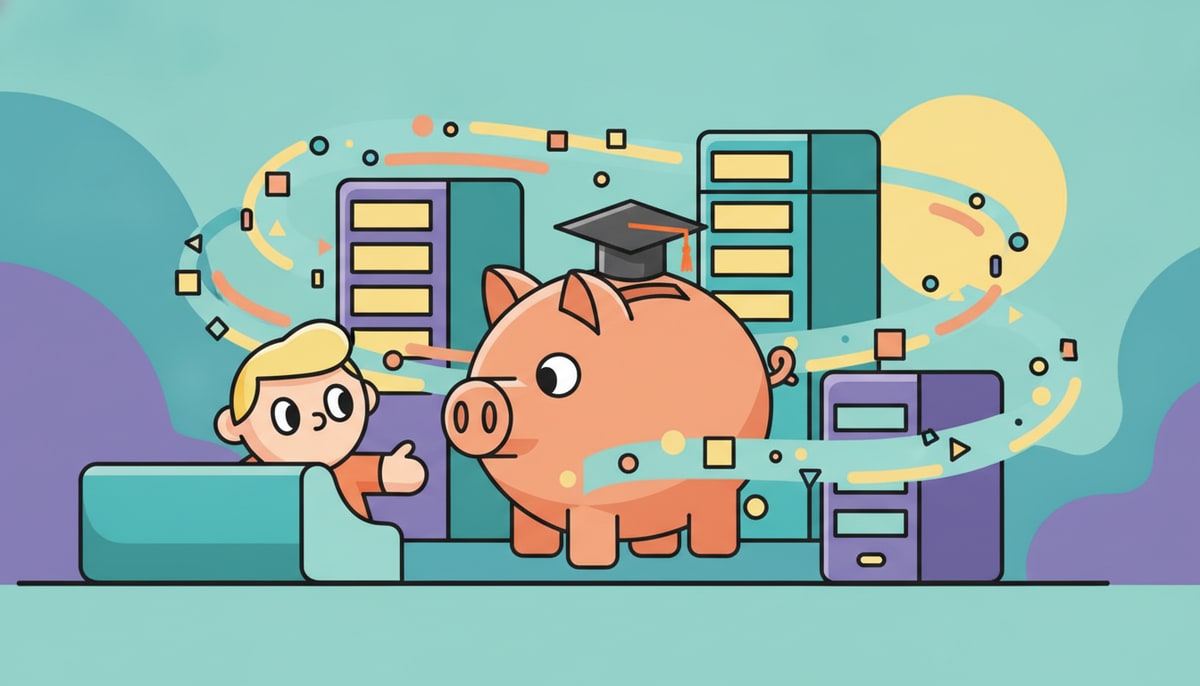
First, it shows you that innovation costs money. Whether it's a new video game console, a fancy new car, or a revolutionary AI, someone had to invest time and money to create it. This is why new technologies often start out expensive – the companies need to make back the money they spent developing it.
Second, it teaches you about value. When you buy a new toy or subscribe to a streaming service, you're paying for the value that someone else created. With AI, that value might be helping people do their jobs faster, creating amazing art, or even helping doctors find cures for diseases. The more valuable something is, the more people are often willing to pay for it.
Third, it highlights investment. Companies invest in AI because they believe it will make them money in the future. Just like you might invest your allowance by saving up for a bigger goal, companies invest in new ideas. Sometimes it pays off big, and sometimes it doesn't. It's a risk, but it's how new things come into the world.
So, the next time you hear about a cool new tech breakthrough, remember that behind the amazing features are countless hours of work, incredibly expensive equipment, and a whole lot of money invested. It's a great reminder that everything we enjoy has a cost, and understanding those costs helps us appreciate the value even more.
P.S. This week, talk with your child about something new or innovative they've seen recently – maybe a new video game, a gadget, or even a new kind of snack. Ask them to think about what went into making that item. Who designed it? What materials were needed? What kind of people worked on it? It's a fun way to start a conversation about the real costs behind the things we use every day.
Stay in the loop
We ship new free guides, printables, and the occasional deal — roughly twice a month. No spam, unsubscribe anytime.
Three streams available: 30-day welcome series, biweekly newsletter, and (opt-in) daily blog posts. Pick which you want after signing up. One click to unsubscribe from any.