Why Data Centers are a Big Deal (and How You Pay for Them!)
Voters are talking about data centers, and it's a great chance to learn how big buildings and technology affect your wallet.
Inspired by: Voters are fed up with data centers. Both parties are trying to cash in for midterms - NPR
Have you ever wondered where all the internet lives? Like, when you watch your favorite show, or play a game with friends online, where does all that information actually go? It’s not just floating in the air! It lives in huge buildings called "data centers." And right now, these data centers are a really big topic of conversation, with news outlets like NPR reporting that "Voters are fed up with data centers. Both parties are trying to cash in for midterms."
Now, you might be thinking, "What does a giant building full of computers have to do with my allowance?" Great question! It turns out, a lot.
What's a Data Center, Anyway?
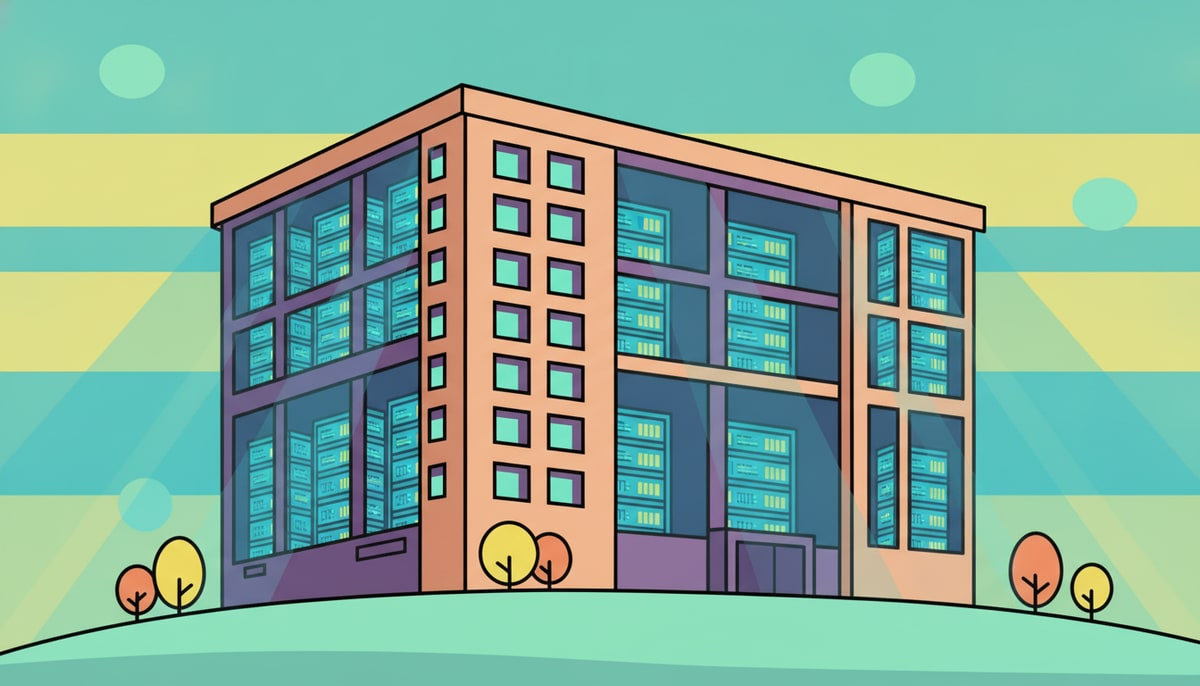
Imagine a super-duper-sized library, but instead of books, it's filled with computers and servers that store all the information for the internet. Every photo you upload, every video you stream, every message you send – it all gets stored and processed in places like data centers. They're like the brains of the internet
 !
!
These buildings need a ton of electricity to run all those computers and keep them cool. They also need a lot of land to build on. And that's where things get interesting for your money lessons.
The Cost of Staying Connected
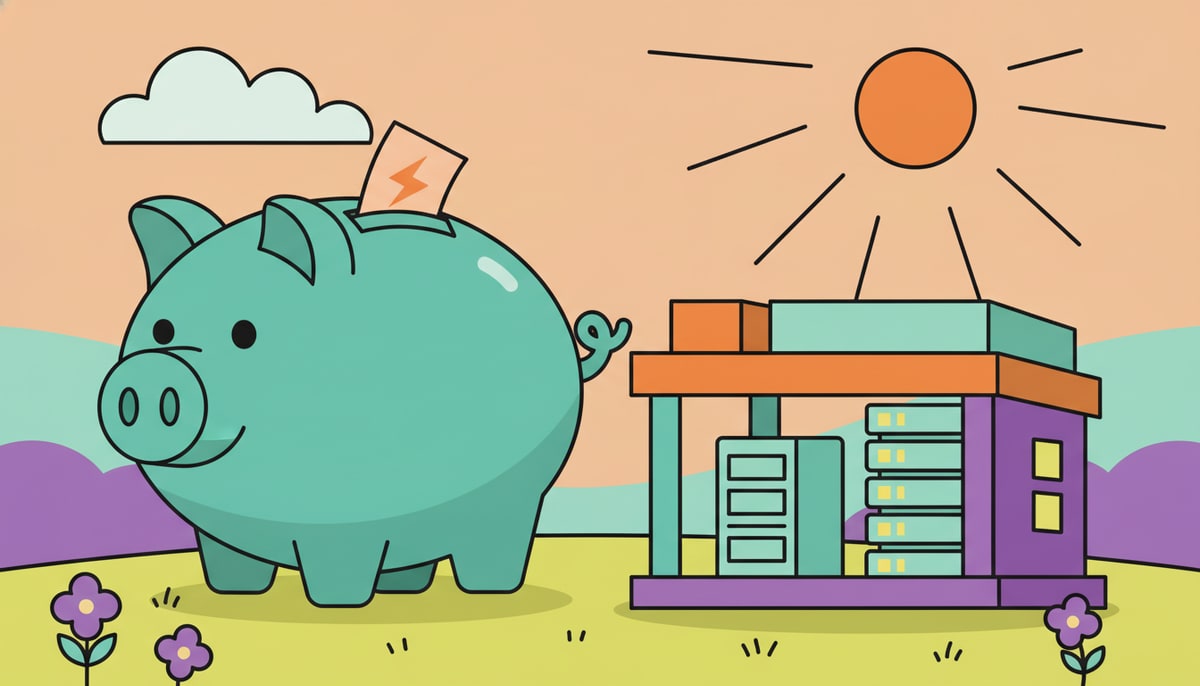
When companies build data centers, they need to buy land, pay for construction, and then pay for all that electricity. Who pays for that in the end? Well, we all do, in different ways
 !
!
Think about your family's internet bill or your streaming subscriptions. Part of what you pay helps cover the costs of these massive data centers. It’s like when you buy a toy – you're paying for the materials, the factory workers, and the store where you bought it. With data, you're paying for the "digital factory" and all its parts.
Why People Are "Fed Up"
The news story mentions that "voters are fed up." Why? Because building and running these centers can have big impacts on local communities. They use a lot of power, which can sometimes strain local electricity grids or even raise energy prices for everyone else. They also need a lot of water for cooling, and they can change the look and feel of a town.
This shows us that even something as "digital" as the internet has a very real, physical cost. And those costs can affect things like:
- Your family's budget: If electricity prices go up because of high demand from data centers, your family might pay more for power.
- Community resources: Data centers use local resources like land and water, which could otherwise be used for homes, parks, or farms.
- Taxes: Sometimes, data centers get tax breaks to encourage them to build in a certain area. This means the local government might collect less money in taxes, which could affect schools or roads.
Your Money Lesson: Understanding Hidden Costs
The big takeaway here is that almost everything we use, even things that seem free or purely digital, has a cost. And those costs aren't always obvious.
When you're thinking about how your family spends money, or even how you spend your allowance, try to think about the "hidden costs" too.
- That new video game? Beyond the price tag, there's the cost of the electricity to play it, and the internet service to download updates.
- That streaming movie? There's the subscription fee, but also the energy cost of your TV and the data center that stores the movie!
Understanding these bigger pictures helps you see how money moves around in the world and how different things are connected. It makes you a super-smart money detective!
P.S. This week, talk with your kids about a favorite app or website. Ask them, "Where do you think all the information for this lives? What do you think it costs to keep it running?" It’s a great way to spark a conversation about digital infrastructure and its real-world costs.
Stay in the loop
We ship new free guides, printables, and the occasional deal — roughly twice a month. No spam, unsubscribe anytime.
Three streams available: 30-day welcome series, biweekly newsletter, and (opt-in) daily blog posts. Pick which you want after signing up. One click to unsubscribe from any.