Why Data Privacy Matters (Even for Your Piggy Bank!)
The Census Bureau just made a big change to protect our info. Learn why keeping data safe is like protecting your money.
Inspired by: Noise infusion banned from statistical products published by Census Bureau
Did you hear about the big news from the Census Bureau? They're making a change by banning "noise infusion" from the statistical products they publish. Now, that sounds super technical, right? But it's actually a really cool way they're trying to keep our information private and safe. Think of it like a secret shield for all the numbers and facts they collect about people.
What's the Big Deal About "Noise Infusion"?
Imagine the Census Bureau collects a ton of information about families, like how many people live in your house, or what kind of jobs adults have. This information is super useful for making decisions about schools, roads, and even where new stores should be built. But nobody wants their personal information shared with everyone.
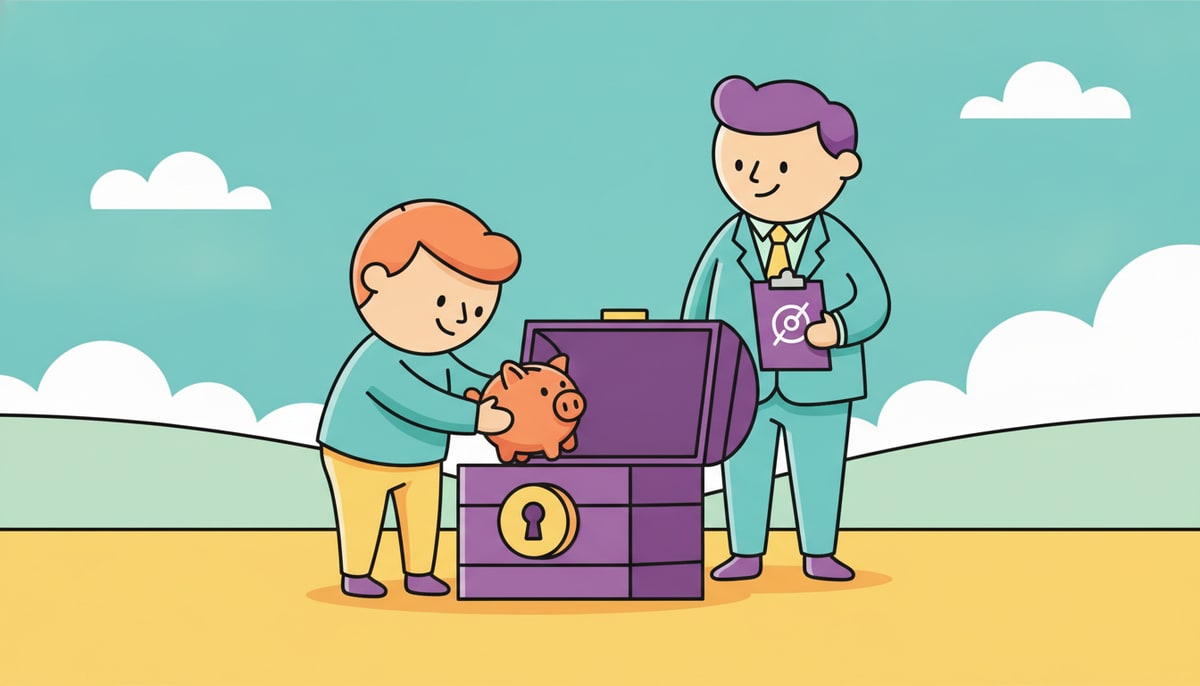
"Noise infusion" was a technique where they'd add tiny, random bits of "noise" or fake data to the big picture numbers. The idea was to make it harder for someone to look at the overall stats and figure out specific details about your family. It's like mixing a tiny bit of blue paint into a big bucket of yellow paint – it changes the overall color just a little, but hopefully makes it impossible to tell exactly how much yellow was there originally.
The problem is, sometimes that "noise" could make the information less accurate, or maybe it wasn't quite as good at protecting privacy as people hoped. So, the Census Bureau is changing things up to make sure our data is even more secure.
Your Information is Like Your Money
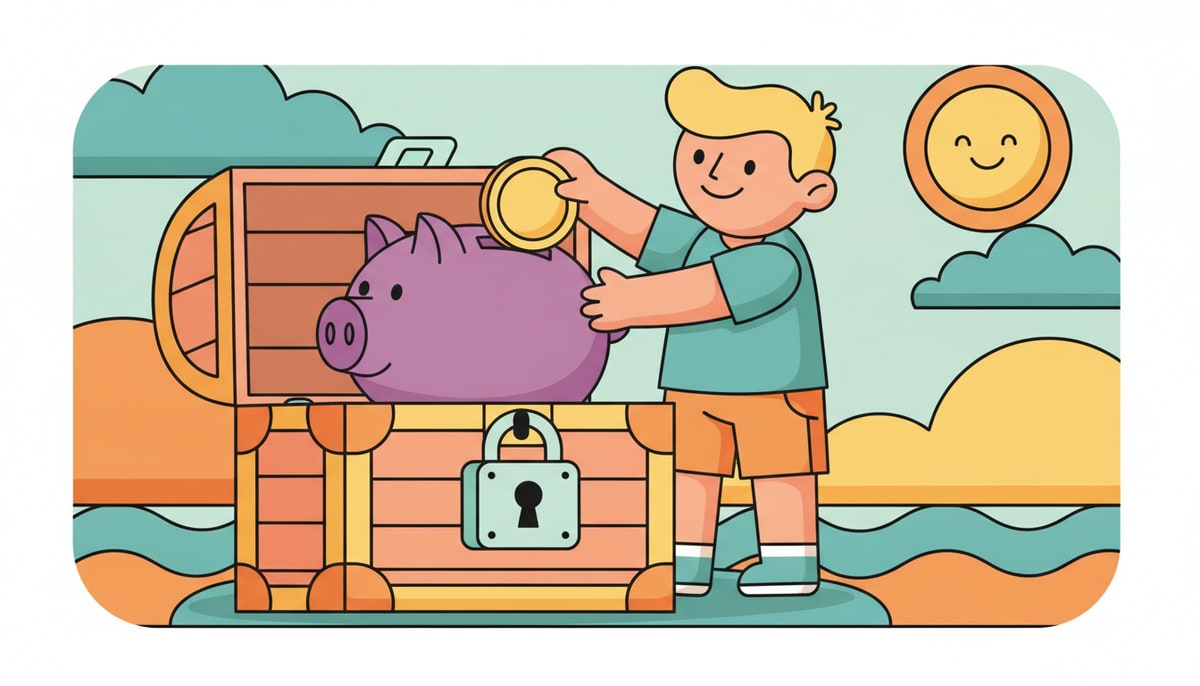
This might seem like a grown-up problem, but it has a lot to do with how you think about your own money and information. Just like you wouldn't leave your piggy bank wide open on the sidewalk, you also want to protect your personal information.
Think about it:
- Your allowance: If you tell everyone exactly how much money you have, some people might try to convince you to spend it on things you don't really need, or even try to take it. Keeping it private (or at least being smart about who you share it with) protects it.
- Your passwords: When you have a game account or use a tablet, you have passwords. Sharing those passwords means someone else could use your account, maybe buy things, or even mess up your game progress. Your password is like a secret key to your digital money!
- Your online purchases: When you get older and start buying things online, you'll enter credit card information. Companies work really hard to keep that information private and secure, just like the Census Bureau is trying to do with our data. If they didn't, hackers could steal your money!
Why Trust Matters
When organizations like the Census Bureau collect information, they need us to trust them. If people didn't believe their information would be kept safe, they wouldn't share it. And then, the government wouldn't have the good data it needs to make important decisions.
It's the same with businesses. Would you put your money in a bank if you didn't trust them to keep it safe? Probably not! Would you buy something from a website if you thought they might share your credit card number with everyone? No way!
This news reminds us that protecting information, whether it's big government data or your personal game login, is super important. It builds trust, keeps us safe, and helps ensure our financial lives (and everything else!) run smoothly.
Protecting Your Digital "Piggy Bank"
So, what can you do right now?
- Be careful what you share online: Think before you post personal details or photos.
- Use strong passwords: Make them long and mix letters, numbers, and symbols. Never share them!
- Ask questions: If an app or website asks for a lot of personal information, ask your parents if it's really necessary.
It's all about being smart with your information, just like you're learning to be smart with your money!
P.S. Parents, talk to your kids this week about what kind of information they share online, even in games. Help them create strong, unique passwords for any accounts they have, and explain why keeping that information private is so important for their digital safety and future financial security.
Stay in the loop
We ship new free guides, printables, and the occasional deal — roughly twice a month. No spam, unsubscribe anytime.
Three streams available: 30-day welcome series, biweekly newsletter, and (opt-in) daily blog posts. Pick which you want after signing up. One click to unsubscribe from any.