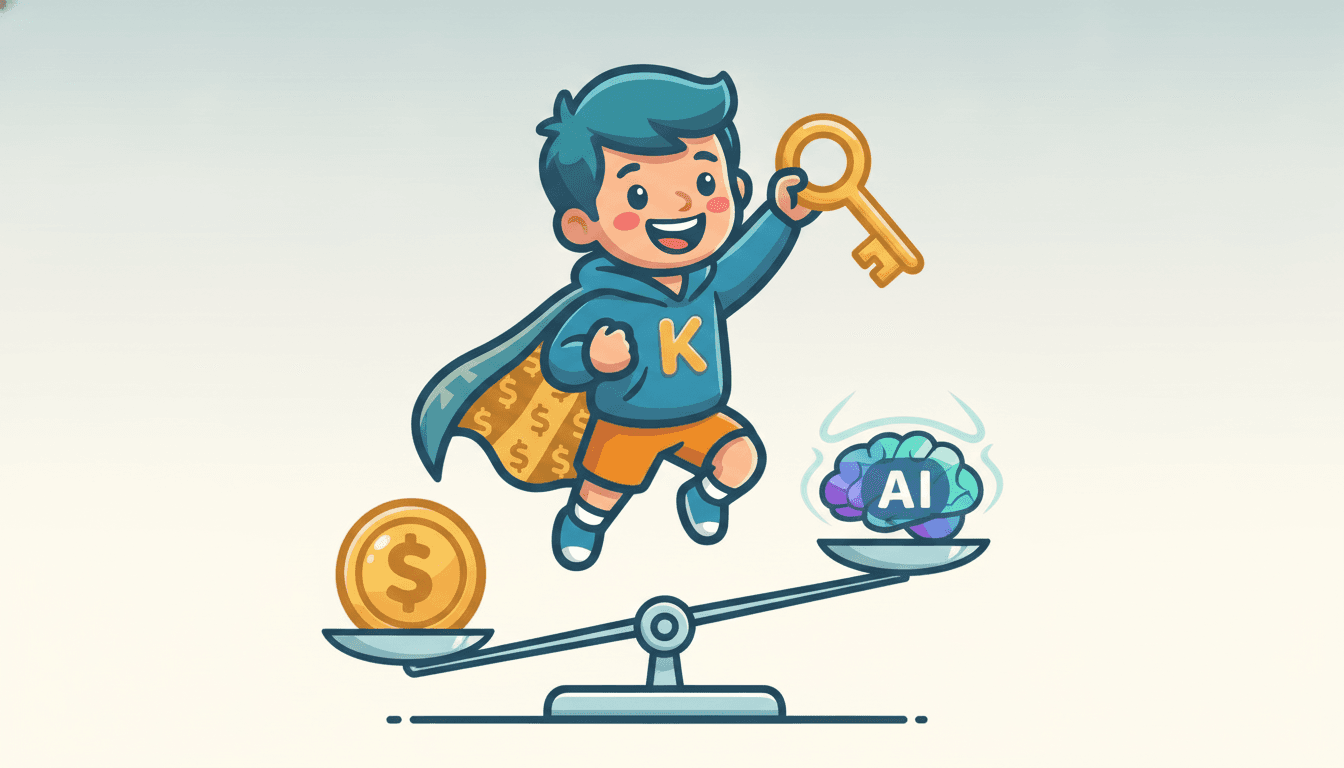
What the Fable 5 AI Drama Teaches Us About Value
A big tech story about AI models Fable 5 and Mythos 5 has a surprising lesson for kids about how we value things.
Inspired by: Statement on US government directive to suspend access to Fable 5 and Mythos 5
You might have heard some buzz today about "Fable 5" and "Mythos 5." These aren't new video games or cartoon characters, but really powerful computer programs, called AI models. The big news is that the US government has told the company that made them, Anthropic, to stop sharing them with people outside of the United States. This has caused a lot of discussion, especially on places like Hacker News, and even Fortune magazine is talking about Anthropic disabling these models.
It sounds like a complicated grown-up tech story, right? But actually, it’s a perfect example of something super important for kids (and adults!) to understand about money: value isn't just about how much something costs; it's also about who can use it and why.
Why Is This AI So Valuable?
Think about your favorite toy. Maybe it's a special action figure, a cool board game, or even a video game character you've leveled up. You probably value it because it's fun, unique, or maybe even hard to get.
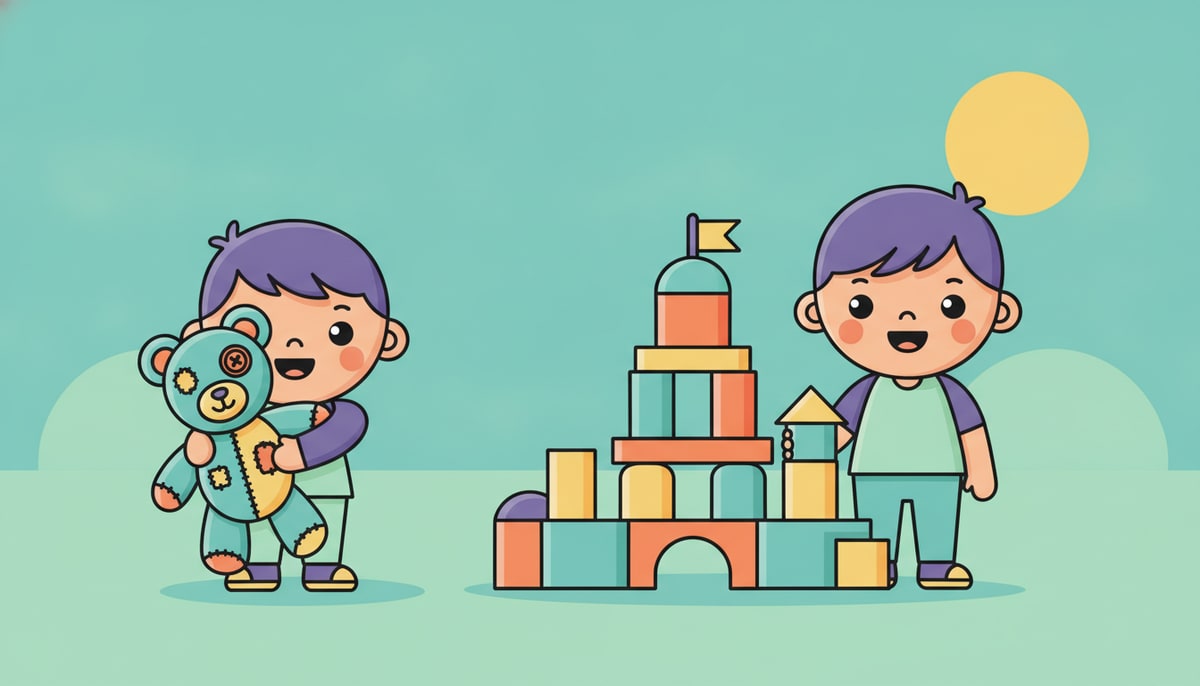
Now imagine something like Fable 5. This AI is incredibly smart and can do amazing things, like write stories, answer tough questions, or help scientists solve problems. Because it's so powerful, many people want to use it. That makes it valuable.
But what happens when a government says, "Hold on, this is so valuable and so powerful that we need to control who gets to use it"? Suddenly, its value isn't just about what it can do, but also about its scarcity and security.
Scarcity and Why It Matters for Your Stuff
Scarcity means there isn't enough of something for everyone who wants it. If there are only a few of those super-cool Fable 5 models, and lots of people want to use them, they become even more valuable.
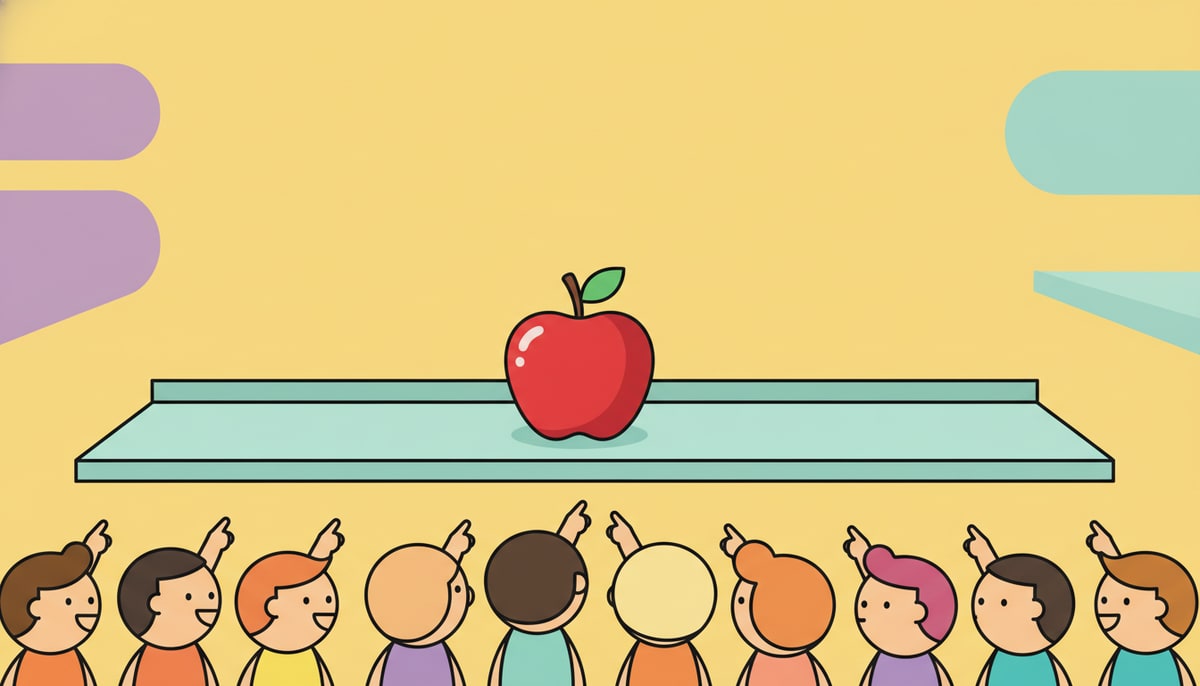
Think about a limited-edition sneaker or a rare trading card. Why do those cost so much? Because there aren't many of them! The same goes for this AI. When access is restricted, it becomes more "scarce," and therefore, potentially even more valuable to those who can use it.
This applies to your own things too! If you have a toy that's broken and can't be replaced, it might feel more valuable to you than a toy you can easily buy another of. Or if you have a special skill, like being really good at drawing or coding, that skill is valuable because not everyone has it.
Security: Protecting What's Important
The government's decision isn't just about scarcity; it's also about security. They likely believe that these AI models are so advanced that they need to be protected, like a secret recipe or a valuable treasure. They don't want just anyone to have access to them, perhaps because they could be used in ways that aren't helpful or safe.
This is like when you keep your piggy bank in a safe spot, or you make sure your secret diary is hidden. You're protecting something valuable. In the world of big tech, protecting valuable technology is a huge deal, and it can impact how much companies are willing to pay for it, or how much they try to guard it.
Your Money Lesson: Value Isn't Always Obvious
The big takeaway from the Fable 5 story is that the "value" of something isn't always a simple price tag. It's influenced by:
- What it can do: Is it useful?
- How many there are: Is it rare?
- Who can access it: Is it restricted?
- How much people want it: Is it in high demand?
Next time you're thinking about something you want to buy, or even something you already own, take a moment to think beyond just the price. What really makes it valuable to you? Is it useful? Is it special? Understanding these layers of value helps you make smarter choices with your money and appreciate the things you have.
P.S. This week, talk with your kids about something they own that they consider "valuable." Ask them why it's valuable. Is it because it's rare? Because it's useful? Or because it has special memories? This simple conversation can open up a deeper understanding of value beyond just cost.
Stay in the loop
We ship new free guides, printables, and the occasional deal — roughly twice a month. No spam, unsubscribe anytime.
Three streams available: 30-day welcome series, biweekly newsletter, and (opt-in) daily blog posts. Pick which you want after signing up. One click to unsubscribe from any.