Why FIFA vs. UEFA Matters for Your Soccer Savings!
A big soccer fight means big changes! Learn how disagreements can affect money and why it's smart to plan ahead.
Inspired by: UEFA and its national associations will not participate in FIFA competitions
Did you hear about the big news in the world of soccer? It's a pretty big deal! Hacker News is buzzing about how UEFA and its national associations will not participate in FIFA competitions. If you're a soccer fan, this might sound like a huge shake-up. Imagine your favorite team not being able to play in the biggest tournaments! It’s a bit like two giant clubs disagreeing on the rules of the game.
But beyond the drama on the field, there's a really interesting money lesson hidden in this news. When big organizations like FIFA and UEFA have disagreements, it can have a ripple effect that touches everyone, even kids who just love to kick a ball around.
What's Going On? (The Short Version)
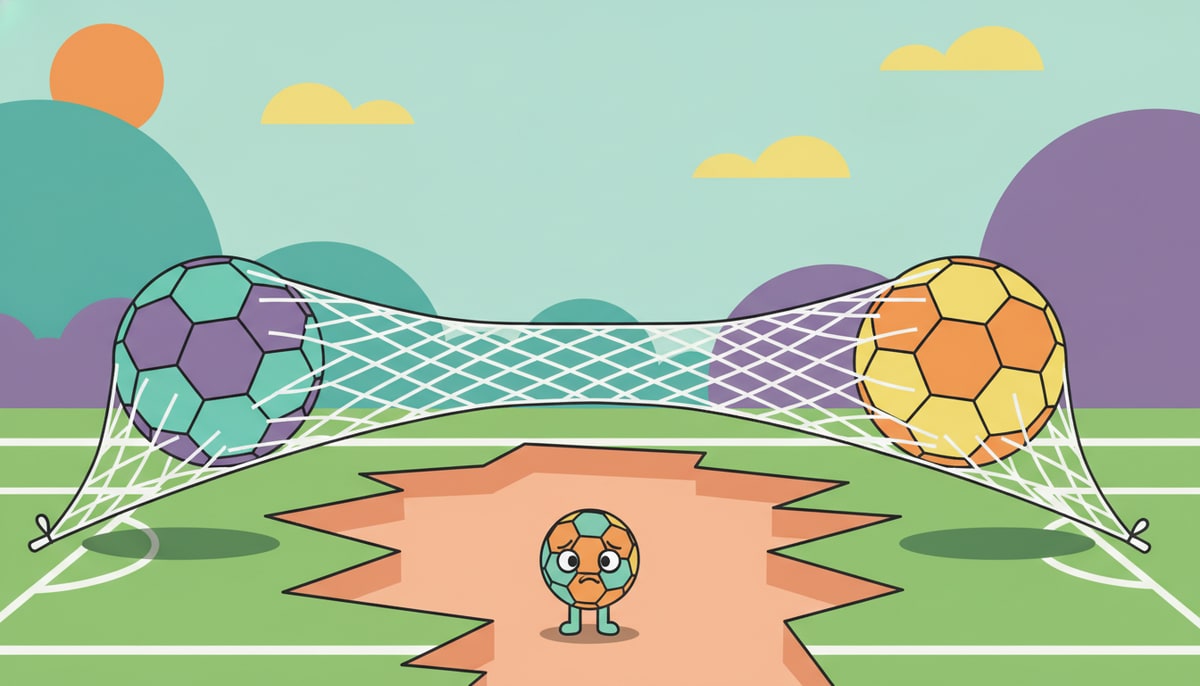
Basically, FIFA and UEFA are two of the biggest groups that run soccer around the world. FIFA is the global body, and UEFA handles European soccer. They've had some squabbles lately, and now it looks like UEFA and its European teams might not play in FIFA's big competitions. Think of it like a giant sports divorce
 !
!
How Does This Connect to Your Money?
Here’s where it gets interesting for KidCash readers:
-
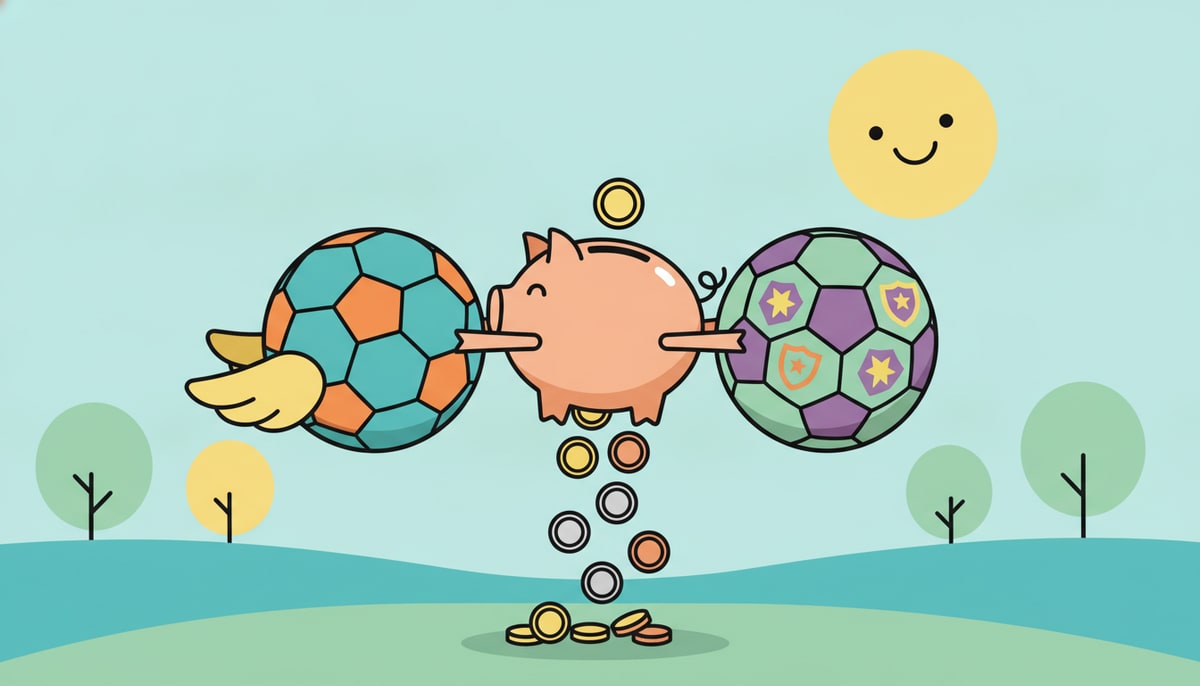
Money Follows the Games: Where do you think all the money comes from for these big tournaments? It's from TV rights, sponsorships, ticket sales, and merchandise. If major teams or entire regions stop playing in certain competitions, that money stream changes dramatically. Suddenly, the value of those games could go down, or new competitions might pop up, creating new ways to spend or earn money.
-
Opportunity Costs: This is a fancy term for something simple: every choice has a cost. If UEFA teams decide not to play in FIFA tournaments, they're choosing one path over another. The "cost" isn't just money; it's also the opportunity to win a FIFA trophy, the chance for players to be seen on a global stage, and the revenue they might have earned. For you, choosing to buy that new video game means you can't use that money for a new soccer ball (at least not right now!).
-
The Power of Negotiation: These organizations are negotiating. They're trying to get the best deal for themselves. In life, you'll often have to negotiate – whether it's for your allowance, a chore list, or even when you're older, a salary. Understanding that people (and big organizations) make decisions based on what they think is best for their own goals is a key money lesson. Sometimes, walking away (like UEFA is doing) is part of the negotiation strategy.
-
Adapting to Change: No matter what happens, soccer will continue. New tournaments might emerge, or they might find a way to work things out. This shows us that things can change quickly, and it's important to be adaptable. If you're saving up for a specific jersey, and suddenly that team's league changes, you might need to adjust your goal or find a new favorite!
Your Soccer Savings Strategy
Even if you're just playing soccer in your backyard, these big-picture events teach us about how money moves and how important choices are.
- Think About Your "Team" Money: Do you have a family budget? Does your allowance depend on certain chores? These are like your personal "competitions." When rules change or disagreements happen, how do you adapt your saving or spending?
- Diversify Your "Play": Just like a team needs different players, your money goals can benefit from different types of savings. Don't put all your money into one big goal. Maybe save a little for a toy, a little for an experience, and a little for a big future dream.
- Understand the "Value" of Things: Why is a World Cup so valuable? Because lots of people want to watch it! The more people who want something, the more valuable it often becomes. Think about what you truly value when you spend your money.
So, while the grown-ups figure out the future of international soccer, you can use this real-world event to think about your own financial game plan. It’s all about making smart choices, understanding value, and being ready for whatever changes come your way!
P.S. This week, talk to your kids about something they really want to buy that’s related to a hobby or sport they love. Ask them how much it costs and brainstorm different ways they could save up for it, discussing how long it might take.
Stay in the loop
We ship new free guides, printables, and the occasional deal — roughly twice a month. No spam, unsubscribe anytime.
Three streams available: 30-day welcome series, biweekly newsletter, and (opt-in) daily blog posts. Pick which you want after signing up. One click to unsubscribe from any.