
Good Grades, Good Money Habits: What We Can Learn
Test scores are declining, but some schools are making gains. Let's see what these success stories can teach our kids about financial smarts!
Inspired by: Kids' test scores began declining way before COVID. These schools are making gains - NPR
We've all heard the chatter about school performance, and a recent NPR headline caught our eye: "Kids' test scores began declining way before COVID. These schools are making gains." It's easy to get discouraged by news like this, but the second part of that headline is what truly matters: some schools are making gains. These schools aren't just magically doing better; they're likely implementing strategies, focusing on specific areas, and working hard to improve. And guess what? That same mindset can totally apply to how we teach our kids about money.
The Power of Focus and Strategy
Think about those schools making gains. They probably didn't just wish for better scores. They looked at data, identified weaknesses, and put specific plans into action. Maybe they introduced new teaching methods, offered extra support, or focused on foundational skills. This isn't so different from how your family can tackle financial goals.
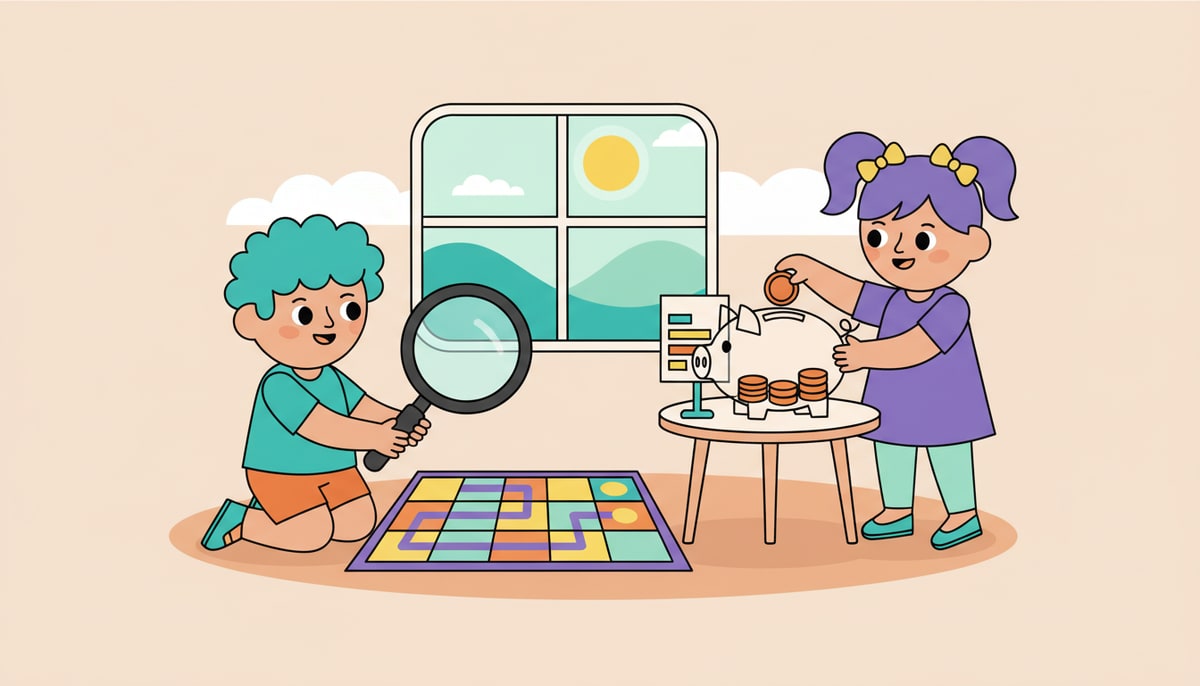
Let's say your 10-year-old wants a new video game console. Instead of just saying "no" or magically producing the money, you can help them strategize. What's the console's price? How much allowance do they get? How much can they save each week? Are there extra chores they can do to earn more? This isn't just about saving; it's about setting a goal, making a plan, and sticking to it – just like those successful schools.
Small Wins Lead to Big Success
Those schools making gains probably didn't see an overnight jump in scores. It was likely a series of small, consistent improvements that added up over time. The same goes for building good money habits.

Encourage your 7-year-old to save a small portion of any money they receive, whether it's birthday cash or allowance. Even if it's just a dollar or two, that consistent habit of putting money aside is a huge win. Over time, these small acts of saving build confidence and demonstrate the power of compound effort. They see their savings grow, and that visual proof is incredibly motivating. It's like seeing their test scores slowly but surely climb – it reinforces that their efforts are paying off.
Learning from Setbacks (and Getting Back Up)
No school's journey to improvement is without its bumps. There will be subjects that are harder, or tests that don't go as planned. What matters is how they respond: do they give up, or do they learn from it and try a different approach?
Your child will inevitably make financial mistakes. Maybe they spend all their allowance on one toy and then regret not having money for something else later. Instead of lecturing, use it as a teaching moment. "How did that feel to not have enough money for what you really wanted?" "What could we do differently next time?" These conversations are crucial for developing financial resilience and problem-solving skills. Just like those schools analyzing their test results to find areas for improvement, your child can learn to analyze their spending habits and adjust.
The takeaway from those successful schools is clear: improvement comes from intentional effort, consistent habits, and learning from the journey. Let's bring that same winning spirit to our kids' financial education.
P.S. This week, sit down with your child and help them identify one small financial goal they want to achieve, whether it's saving for a toy or contributing to a family outing. Then, work together to outline two specific steps they can take to reach it.
Stay in the loop
We ship new free guides, printables, and the occasional deal — roughly twice a month. No spam, unsubscribe anytime.
Three streams available: 30-day welcome series, biweekly newsletter, and (opt-in) daily blog posts. Pick which you want after signing up. One click to unsubscribe from any.