
Hurricane Recovery: Why Saving for a Rainy Day Matters
Learn how communities bounce back after big storms, and why having a 'rainy day fund' helps everyone, even kids!
Inspired by: Tourists should skip Kauai for now as it recovers from Hurricane Lowell, officials say - AP News
You might have seen the news today that officials are asking tourists to skip Kauai for now as it recovers from Hurricane Lowell. When a big storm like a hurricane hits, it can really shake things up! Roads might be damaged, power lines could be down, and stores might not be able to open right away. It's a tough time for everyone who lives there, and it takes a lot of effort and money to get things back to normal.
But guess what? This kind of situation actually teaches us a super important lesson about money: the power of having a "rainy day fund."
What's a Rainy Day Fund?
Imagine you have a piggy bank, right? Most of the time, you might be saving for a cool new toy, a video game, or something fun. That's awesome
 ! But a "rainy day fund" is a special kind of savings, not for fun stuff, but for when unexpected things happen.
Think about it like this: If your bicycle gets a flat tire, you need money to fix it, right? Or maybe your favorite book gets soaked in a puddle, and you want to replace it. These aren't things you planned for, but they happen! A rainy day fund is money you've set aside just in case something unexpected pops up.
How Does This Connect to Kauai?
When Hurricane Lowell hit Kauai, it caused a lot of damage. People might have needed to fix their homes, buy new food if their old food spoiled, or even pay for a place to stay if their house wasn't safe. Businesses, like restaurants and shops, might have lost money because they couldn't open.
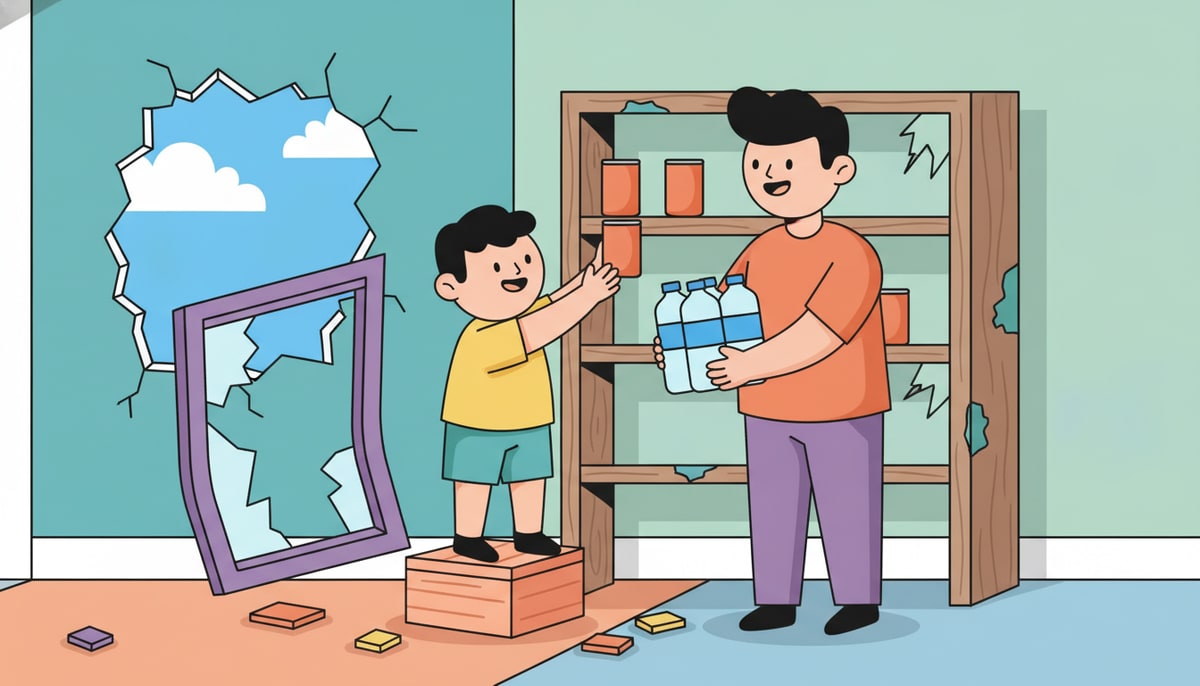
The whole community needs a "rainy day fund" in a way! Governments have emergency funds, and people who live there hopefully have their own savings. When tourists are asked to stay away, it's partly because the island needs to focus its resources – its money, its workers, its supplies – on helping its own residents recover. Bringing in lots of tourists right after a disaster would actually make things harder and more expensive for the people who live there.
Your Own Mini Emergency Fund
You might not be dealing with hurricanes, but you can still start your own rainy day fund!
- For younger kids (5-8): Maybe you get an allowance. Try putting a small amount, like 50 cents or a dollar, into a separate jar labeled "Emergency Money." If you accidentally break a toy you really love and want to replace it, or if you need new art supplies for a school project you didn't expect, that's what this money is for!
- For older kids (9-15): When you get birthday money or earn money doing chores, try to set aside 10-20% into a separate savings account or a different part of your piggy bank. This money isn't for your new gaming console or a concert ticket. It's for when your phone screen cracks, or your favorite shoes fall apart and you need new ones right now for school.
It might not sound as exciting as saving for something fun, but having a rainy day fund gives you a huge feeling of safety and independence. When unexpected problems pop up, you won't have to worry as much because you'll have the money to handle it yourself! Just like Kauai needs time and resources to recover, you can build your own financial strength by preparing for the unexpected.
P.S. This week, talk with your child about what an "unexpected expense" might look like for them. Maybe it's a broken toy, a lost school supply, or even just needing money for an unplanned treat. Help them set up a small "emergency" jar or account and brainstorm a few things they could save for.
Stay in the loop
We ship new free guides, printables, and the occasional deal — roughly twice a month. No spam, unsubscribe anytime.
Three streams available: 30-day welcome series, biweekly newsletter, and (opt-in) daily blog posts. Pick which you want after signing up. One click to unsubscribe from any.