A Job Offer That Wasn't: Spotting Online Scams
Learn how a fake LinkedIn job offer can trick people and how you and your kids can spot online scams to protect your money and information.
Inspired by: A backdoor in a LinkedIn job offer
Did you hear about the "backdoor in a LinkedIn job offer" that's been making waves on Hacker News? It sounds a bit techy, but what it really means is that someone tried to trick people who were looking for jobs. They created a fake job offer on a popular professional website, and if someone fell for it, it could have led to big trouble.
Think about that for a second. Someone thought they were getting a great job, maybe their dream job, but it was all a trick! In the adult world, job offers usually mean money – a salary, benefits, and a way to earn a living. A fake job offer isn't just disappointing; it can be dangerous for someone's finances and personal information.
What's a Scam, Anyway?
A scam is basically a trick designed to get something from you, usually money or personal information, by making you believe something that isn't true. Scammers are really good at pretending to be someone they're not, or offering something that sounds too good to be true.
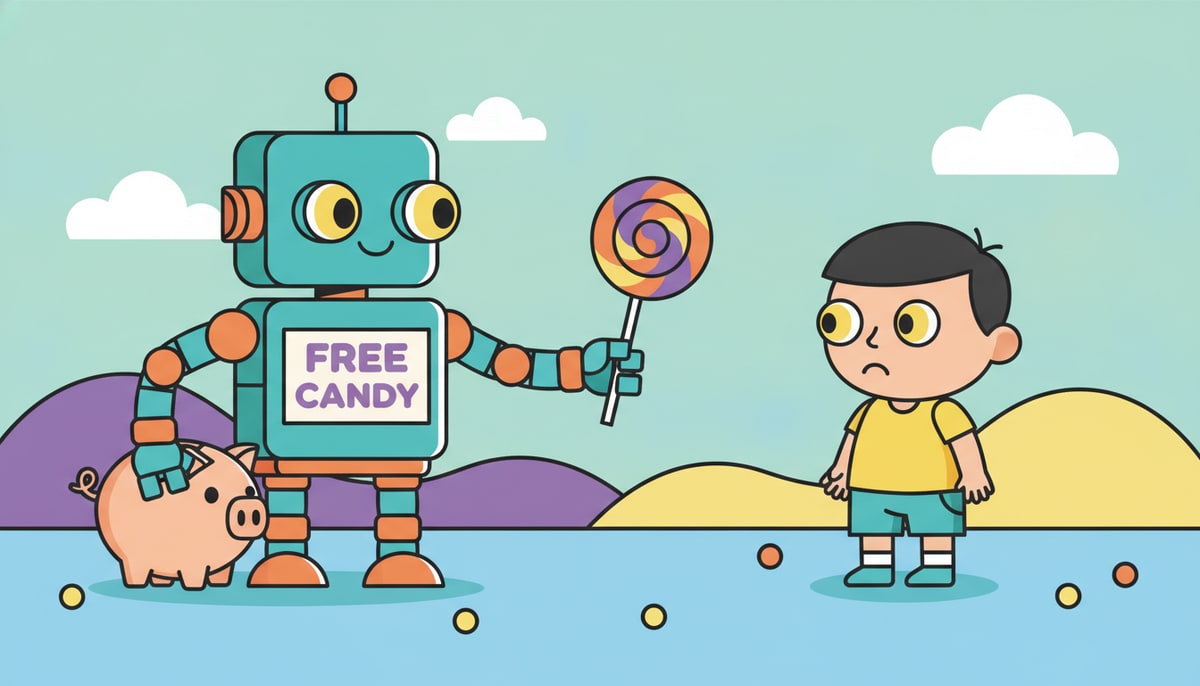
For grownups, it might be a fake job offer on LinkedIn. For kids, it could be a pop-up ad saying you've "won a million V-bucks!" or a message from a "famous gamer" asking for your password. The goal is always the same: to get you to do something you shouldn't.
How Scams Can Cost You (Even if You Don't Have a Job Yet!)
Even if you're not applying for jobs, understanding scams is super important for your money smarts. Here's why:
- Lost Money: Imagine you see an ad for a super cool toy online, but it's a scam. You might give your parent's credit card number, and either the toy never arrives, or what does arrive is cheap junk. That's money wasted!
- Stolen Information: Scammers love to get your personal details, like your name, address, or even your parents' bank information. This can lead to bigger problems down the road, like identity theft, which can be a huge headache and cost a lot to fix.
- Wasted Time: Trying to figure out if something is real or fake, or dealing with the aftermath of a scam, takes up valuable time that you could be using for fun or learning.
Your Superpowers Against Scams
You actually have some amazing superpowers to fight off scammers!
- The "Too Good to Be True" Power: If something sounds unbelievably amazing – like getting a free game console just for clicking a link, or a job that pays a million dollars a week for doing nothing – it probably is too good to be true. Real opportunities usually require effort and have reasonable benefits.
- The "Ask a Grownup" Power: If you're ever unsure about an email, a message, or an offer online, ask a trusted adult. Your parents, guardians, or teachers can help you figure out if it's legitimate. They've seen a lot more of the world and can spot red flags.
- The "Check the Source" Power: Just like people check if a LinkedIn job offer is real, you can check the source of information. Is that message from a real friend, or just someone pretending to be them? Is that website a well-known, trusted store, or a weird-looking one you've never heard of? Look for official logos, correct spelling, and secure website addresses (they usually start with "https://").
- The "Don't Rush" Power: Scammers often try to make you feel like you have to act right now or you'll miss out. Don't fall for it! Take your time, think things through, and get help if you need it.
Learning to be smart about online offers, whether it's a job or a free game, is a really important money skill. It helps you protect what you have and make smart choices about where your (or your parents') money and information go.
P.S. This week, talk to your kids about a time they almost fell for a trick online or in person. Share a story of your own, too! Discuss what clues made them suspicious and what they did (or wish they had done). This helps build their critical thinking skills for spotting future scams.
Stay in the loop
We ship new free guides, printables, and the occasional deal — roughly twice a month. No spam, unsubscribe anytime.
Three streams available: 30-day welcome series, biweekly newsletter, and (opt-in) daily blog posts. Pick which you want after signing up. One click to unsubscribe from any.