
The Case of the Missing Gold: Trusting Who You Pay
An ex-CIA official was caught with $40 million in gold! Let's talk about why knowing who you're dealing with matters for your money.
Inspired by: FBI Arrests CIA Official with $40M in Gold Bars in His Home
Did you hear about the wild story dominating the news? An ex-CIA official was just arrested, and get this – they found $40 million in gold bars hidden in his house! It sounds like something out of a movie, right? News outlets like Hacker News and dw.com are buzzing about it. While the details of how he got all that gold are still unfolding, it makes you stop and think about a really important money lesson: trust.
When you're dealing with money, whether it's your allowance, saving up for a new video game, or even just trading snacks with a friend, knowing who you're trusting is super important.
Why Trust Matters with Your Money
Imagine you're selling lemonade. You set up your stand, make your delicious lemonade, and someone comes by to buy a cup. You trust that when they hand you a dollar, it's a real dollar and not a fake. And they trust that you'll give them a full, yummy cup of lemonade, not just a few drops
 !
!
In the grown-up world, this trust is even bigger. We trust banks to keep our money safe. We trust stores to give us the items we pay for. And we trust people we hire to do a job, like a babysitter or a lawn mower, to do it well and honestly.
The story about the ex-CIA official is an extreme example of someone breaking that trust. He was in a position where he was supposed to be honest and follow rules, but allegedly, he didn't. This sort of thing reminds us that while most people are trustworthy, it's smart to be aware and protect your money.
Protecting Your Pennies (and Gold!)
So, how can you, as a KidCash reader, practice smart trust with your money?
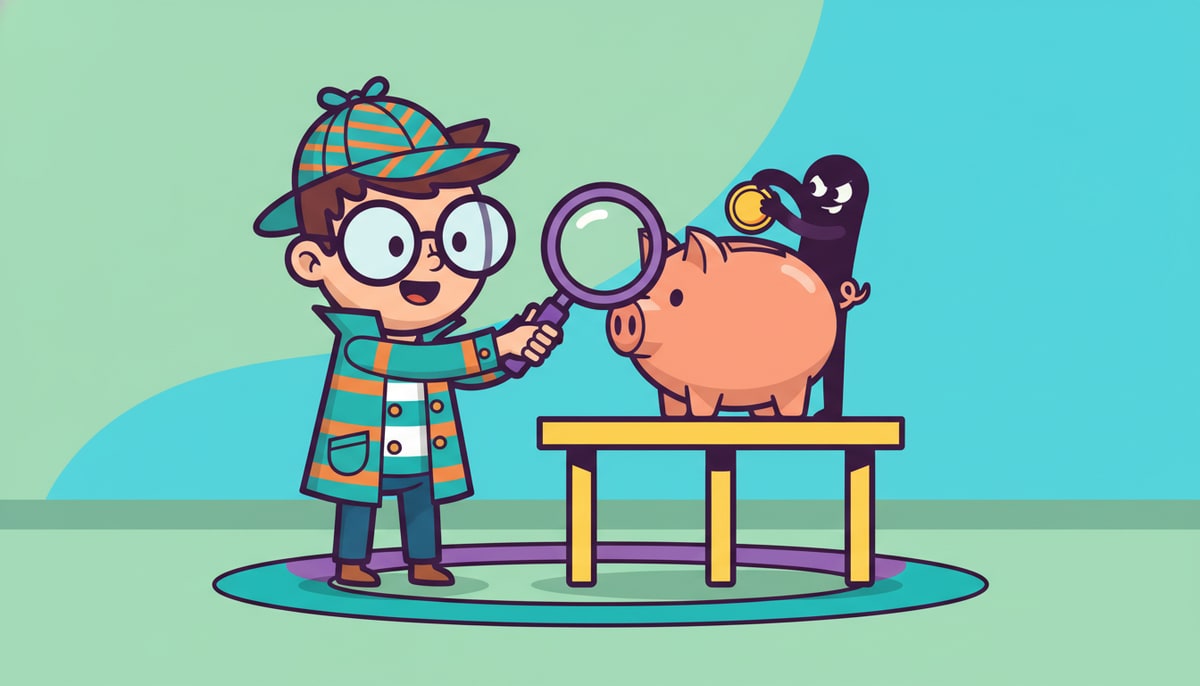
- Know who you're dealing with. If a friend asks to borrow money, do you trust them to pay you back? If you're buying something online, is it from a reputable seller? Just like you wouldn't buy a mystery snack from someone you don't know, be careful about where your money goes.
- Keep records. If you lend money to a friend, maybe write it down! A simple note can help everyone remember. Grown-ups do this with receipts and bank statements.
- Ask questions. If something feels "off" about a money situation, ask an adult. If a deal seems too good to be true, it probably is. Someone offering you a huge amount of candy for one small toy might not be playing fair.
- Don't share private information. Just like you wouldn't tell a stranger your secret hiding spot for your favorite toys, don't share your parents' credit card numbers or your own passwords with people you don't absolutely trust.
This gold bar story is a wild one, and it shows that even people in important jobs can sometimes make bad choices. But for you, it's a great reminder to always be smart and thoughtful about who you trust with your money. Building good habits now will help you make wise financial decisions for years to come!
P.S. This week, talk to your kids about a time they had to trust someone with something valuable (even if it was just their favorite crayon!). Ask them how they decided who to trust and what made them feel confident (or not!).
Stay in the loop
We ship new free guides, printables, and the occasional deal — roughly twice a month. No spam, unsubscribe anytime.
Three streams available: 30-day welcome series, biweekly newsletter, and (opt-in) daily blog posts. Pick which you want after signing up. One click to unsubscribe from any.