
Money Between Parents: What Kids Quietly Notice
The State Department began revoking passports for parents behind on child support. Here's what kids absorb when grown-ups fight about money.
Inspired by: Americans who owe significant child support will have their U.S. passports revoked (PBS NewsHour)
The State Department announced this week that it has begun revoking U.S. passports for parents who owe substantial unpaid child support — starting with the roughly 2,700 people who owe $100,000 or more, and over time anyone above the $2,500 threshold the law already allows.
That headline is going to land in a lot of households. Some adults will read it and feel relief. Some will feel a knot in their stomach. Most will scroll past. But a child in one of those families — or in a friend's family — is going to hear pieces of the story and try to make sense of it.
This isn't a political post. The policy itself is something the news will cover. What we want to talk about is the quieter thing: kids notice when grown-ups have money fights, especially the slow, long-running kind.
What kids actually pick up
Children rarely understand "child support" as a legal concept. What they understand is feeling. They hear:
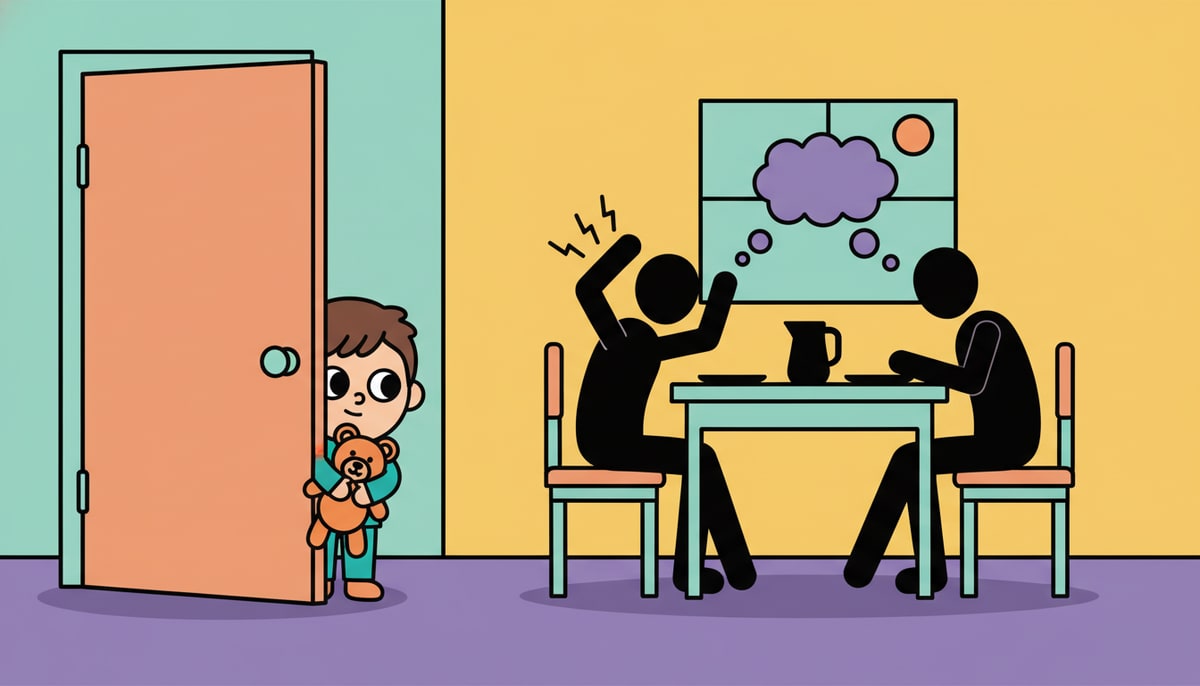
- "He still hasn't paid this month."
- "We can't afford that — ask your dad."
- "Your mom's the one with the lawyer, not me."
They might not be able to define those phrases, but they file them away. They build a quiet mental ledger of which parent has more money, which parent talks about money in tense ways, and — this is the part that haunts — whose side they're supposed to be on.
That third one is the real cost. Not the bills. Not the unpaid balance. The cost is the child's growing sense that money is a topic they have to be careful around.
A small reframe that helps
You can't pretend money isn't tight when it's tight. Kids see through that immediately. But you can name what's happening without recruiting your kid into it.
A few sentences that work in most situations:
- "Money is something the grown-ups in your life are figuring out. None of it is your job to fix or worry about."
- "Sometimes adults disagree about money, and we'll keep working it out. You don't have to pick a side."
- "You'll always be taken care of. The way we do it might look different month to month, but you're not the one we're worried about."
None of those are sugar-coating. They name the truth — grown-ups are working it out — without making your 8-year-old feel responsible for any of it.
The bigger lesson hiding in the headline
Strip the politics out of the news, and what's left is this: money promises are real, even when they're between two adults who don't talk anymore. That's a useful thing for any kid to absorb, especially as they get older.
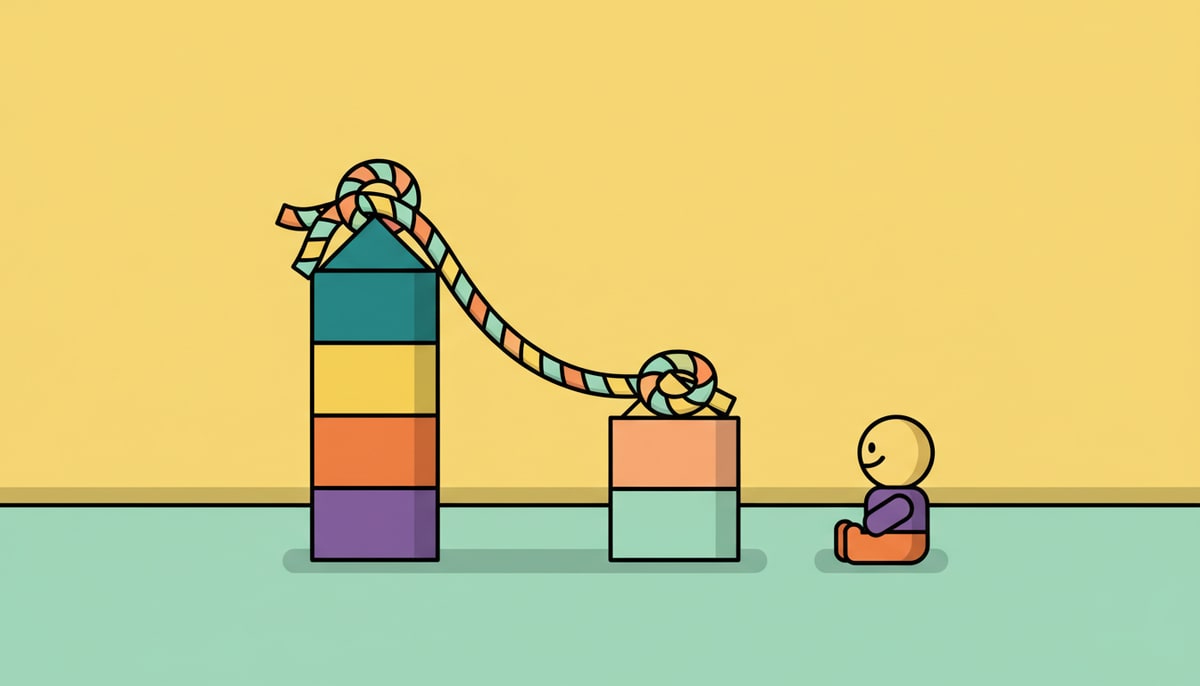
A 12-year-old who understands that grown-ups sign agreements they can't just walk away from — about child support, mortgages, leases, loans — has a more accurate model of how money works than most college students do. You don't have to teach this with a lecture. You can teach it the next time a movie or news clip references somebody owing somebody money, by saying out loud: "Yeah, those things stick. People have to follow through."
On split households, specifically
If you're co-parenting and reading this — we know how loaded a news cycle like this one can feel. The only thing we'd add: whatever you say about the other parent within earshot of your kid is what your kid will eventually believe about money. Not what you say to your friends. Not what you say to your lawyer. The kitchen-table version.
That doesn't mean lying about hard things. It means choosing how to tell the truth. "He's behind right now and we're handling it" is honest. "Your dad doesn't care about us" is a story your child will carry into every relationship they ever have with money. Same facts, very different inheritance.
P.S. — a small thing to do this week
If your kid has been around a tense money conversation recently, find a quiet moment — driving, dishes, walking the dog — and just say it out loud: "Hey, that call you heard the other day — that was a grown-up money thing, not a you thing. I just wanted to say that out loud."
That's it. Five seconds. You'd be amazed how much weight it takes off a kid's shoulders, especially the ones who didn't realize they were carrying any.
— The KidCash Team
Stay in the loop
We ship new free guides, printables, and the occasional deal — roughly twice a month. No spam, unsubscribe anytime.
Three streams available: 30-day welcome series, biweekly newsletter, and (opt-in) daily blog posts. Pick which you want after signing up. One click to unsubscribe from any.