Museums for the Future: What Old Tech Teaches About Value
A new virtual museum lets you explore old operating systems. What can this digital history teach your kids about the value of things?
Inspired by: I’ve built a virtual museum with nearly every operating system you can think of
Imagine walking through a museum where instead of dinosaur bones or ancient pottery, you see… old computer screens! That's essentially what one brilliant person built: a "virtual museum with nearly every operating system you can think of." It's a huge hit on the internet today, and it got us thinking here at KidCash about how we value things, especially as technology changes so fast.
Think about it: operating systems like Windows 95 or even earlier versions of macOS were once cutting-edge. People paid good money for them, businesses relied on them, and they powered incredible innovations. Now, many of them are obsolete. You can't really use them for modern tasks, and they certainly wouldn't run the latest games or apps. So, what's their value now?
The Shifting Sands of Value
This virtual museum is a fantastic example of how something's value can change over time. When those old operating systems were new, their value was functional. They helped people get work done, communicate, and create. They were essential tools. Today, their value is mostly historical or educational. They teach us about how far technology has come and the foundations upon which our current digital world is built.
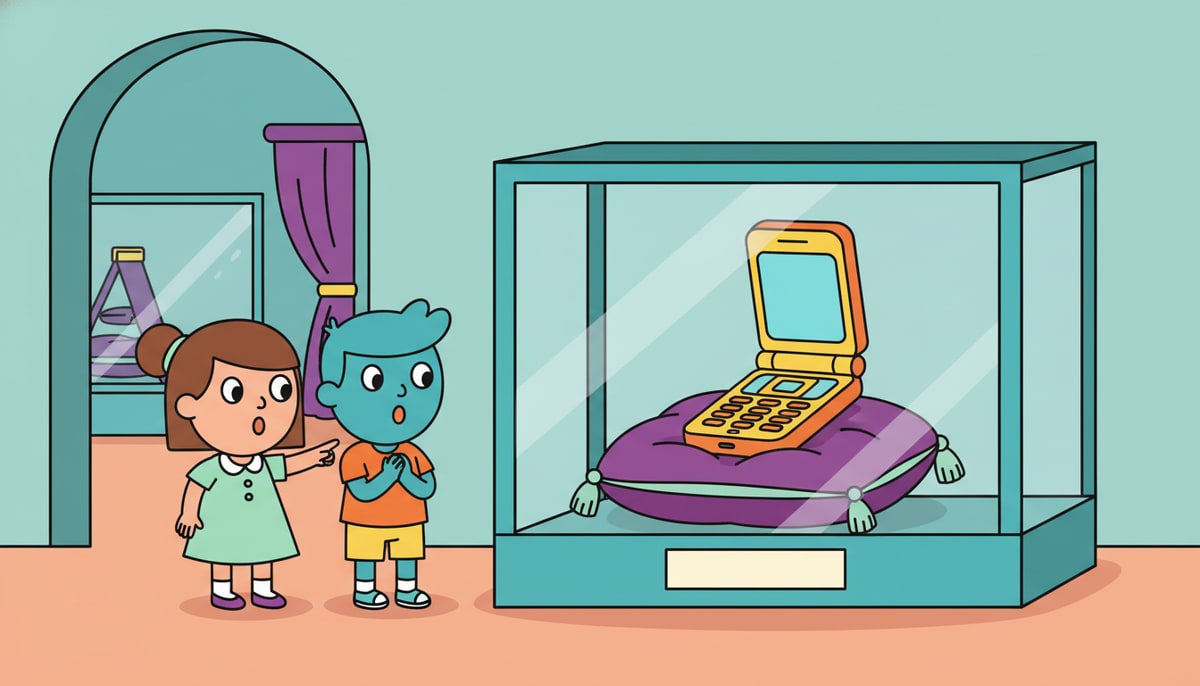
For your kids, this is a super important lesson. It helps them understand that "value" isn't always about how much something costs right now or how new it is.
- For younger kids (5-8): Think about their toys. A brand-new, fancy robot might be super valuable to them today. But what about a worn-out teddy bear from when they were a baby? It might not be "new" or "shiny," but its sentimental value makes it priceless. Or consider a toy that breaks. Its functional value is gone, but maybe you can fix it, or repurpose it for art, giving it new value.
- For older kids (9-15): This lesson extends to bigger purchases. That new video game console or the latest smartphone? It's exciting now, but in a few years, a newer model will come out. The "newness" value will fade. What will its value be then? Maybe they can sell it (resale value!), or keep it for nostalgia, or even learn how to repair it (educational value!).
Beyond the Price Tag
This virtual museum reminds us that things have different kinds of value:
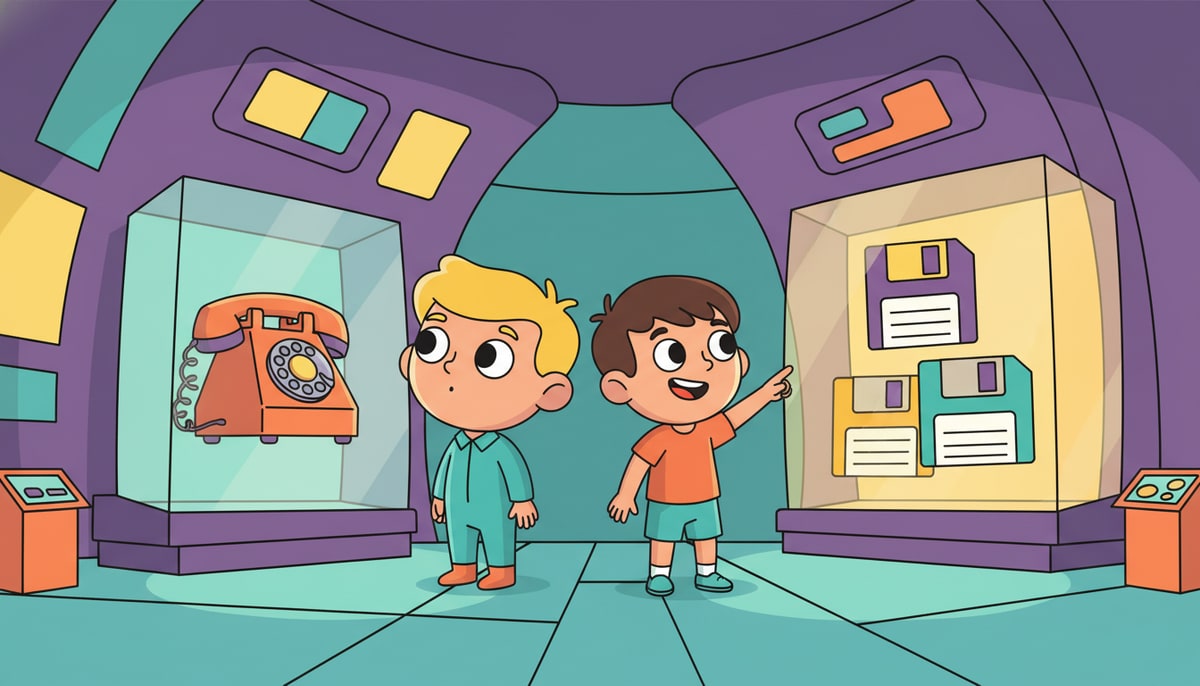
- Functional Value: Does it do something useful? (Like an old OS running a specific program.)
- Monetary Value: How much can you buy or sell it for? (A collectible video game might increase in monetary value over time.)
- Sentimental Value: How much emotional importance does it hold? (A handmade gift from a grandparent.)
- Educational Value: What can you learn from it? (Those old operating systems in the museum.)
Encourage your kids to think about these different types of value when they're looking at things they own, or things they want to buy. Is that new toy going to have lasting functional value, or is it mostly about the "newness" for a week? Is Grandma's antique vase valuable because it's worth a lot of money, or because of the stories it holds?
Understanding these different dimensions of value helps kids make smarter choices about what they spend their money on and how they care for their possessions. It helps them see that "expensive" doesn't always mean "most valuable" in the long run.
P.S. This week, try a "Value Scavenger Hunt" with your kids. Pick five items in your house – maybe an old family photo, a broken toy, a current video game, a piece of clothing, and a book. Ask your kids to describe what kind of value each item holds (functional, monetary, sentimental, educational) and why. You might be surprised by their answers!
Stay in the loop
We ship new free guides, printables, and the occasional deal — roughly twice a month. No spam, unsubscribe anytime.
Three streams available: 30-day welcome series, biweekly newsletter, and (opt-in) daily blog posts. Pick which you want after signing up. One click to unsubscribe from any.