
Oops! A $1.7 Billion Mistake? What We Can Learn!
Big companies make big mistakes sometimes! Let's talk about why even the biggest tech giants can mess up their money math, and what that means for your piggy bank.
Inspired by: AWS: Inaccurate Estimated Billing Data – $1.7 billion
Hey KidCash families! Have you ever misplaced a dollar or forgotten how much allowance you had left? It happens to all of us, right? Well, today there’s a super interesting story making waves on Hacker News about Amazon’s cloud computing division, AWS. It turns out they had some "inaccurate estimated billing data" that amounted to… wait for it… $1.7 BILLION! Yes, you read that right, a 'B' for billion!
Now, before your eyes glaze over, let's break down why this is actually a super cool lesson for us, even if we're not running a giant tech company.
Mistakes Happen, Even to Giants
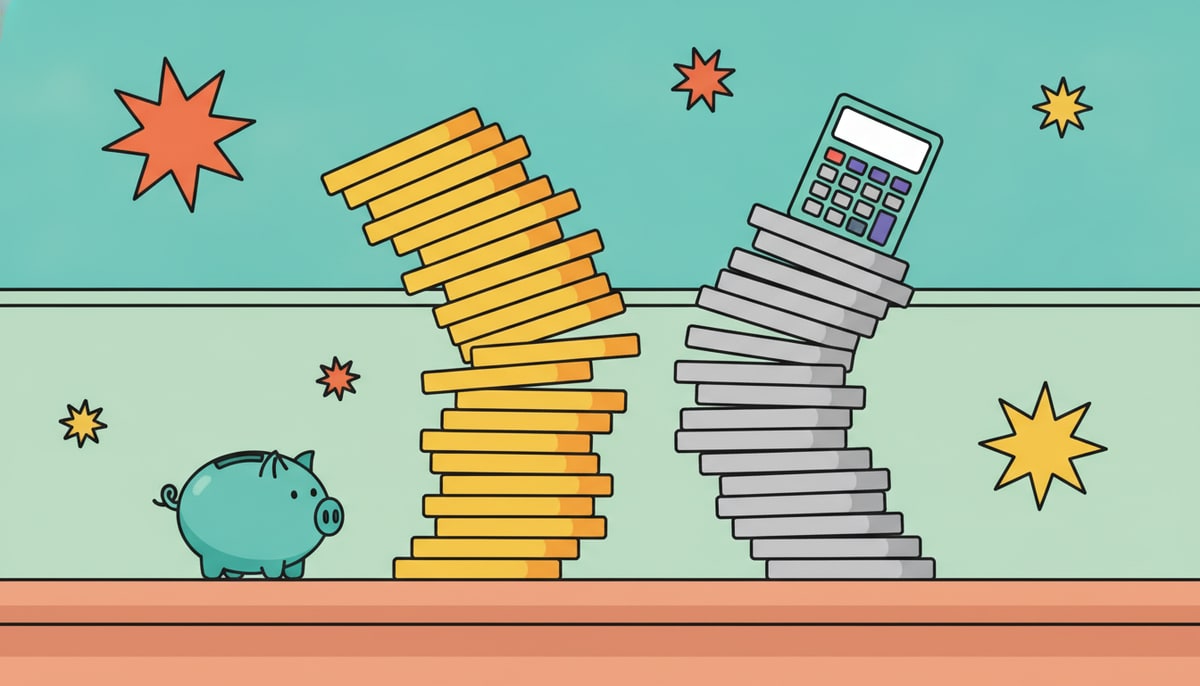
Imagine you’re saving up for that new video game or a special toy. You might put your money in a jar and count it every week. What if you accidentally miscounted by, say, $5? You'd probably be a little bummed, but you'd fix it. Now, imagine a company as big as Amazon, with computers doing most of the counting, making a mistake that big
 !
!
This story isn't about someone stealing money or anything bad like that. It’s about how even with super-smart computers, sometimes the numbers just don't add up perfectly. Maybe a sensor was off, or a computer program had a tiny glitch, or someone just typed in the wrong number somewhere along the line. The point is, mistakes happen.
Why Accuracy Matters (Even for Your Allowance!)
Think about your own money. If you get $10 for allowance, and you think you have $12, you might plan to buy something that costs $11. But then, oops
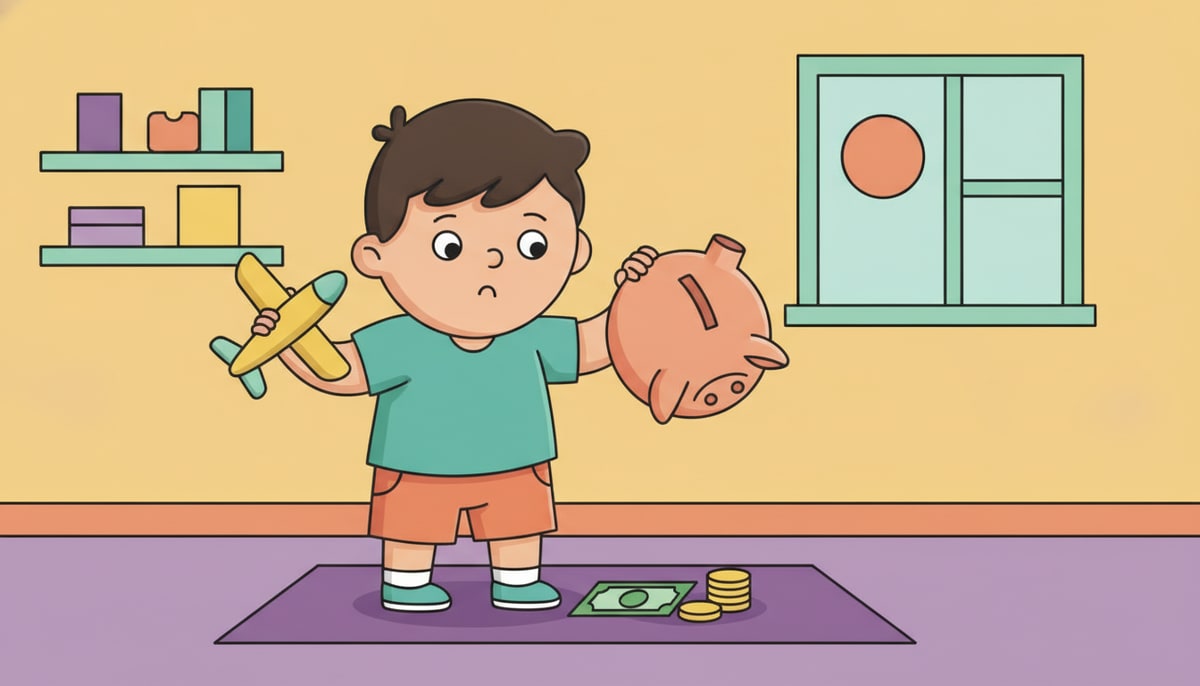 ! You only have $10. Suddenly, your plan is ruined, and you might feel frustrated.
For a huge company like AWS, a $1.7 billion inaccuracy can mean big problems. It affects their plans, how they invest in new projects, and even how people trust them. They have to go back, find the mistake, and fix it. It takes a lot of time and effort!
This is why it's so important to be accurate with your own money, no matter how small the amount.
Your Personal Money Detective Skills
So, how can you avoid billion-dollar (or even one-dollar) mistakes in your own life?
- Count Carefully: When you get your allowance, count it yourself. Don't just assume.
- Track Your Spending: If you have a piggy bank, a wallet, or even a simple notebook, write down when money comes in and when it goes out. This is like being your own personal accountant!
- Double-Check: Before you buy something, quickly check your money again. Do you have enough? Is the price what you thought it was?
- Ask for Help: If you're confused about your money or can't figure out why a number doesn't look right, ask a parent or a trusted adult. They can help you be a money detective!
Even the biggest companies with the most powerful computers can get their numbers wrong. But by being careful and checking your work, you can become a money master and avoid those frustrating "oops!" moments with your own cash.
P.S. This week, challenge your child to be a "Money Detective." If they have an allowance, have them count it and then write down everything they spend for a few days. At the end of the week, compare their count with what they think they have left. See if they can spot any "inaccuracies" and learn from them!
Stay in the loop
We ship new free guides, printables, and the occasional deal — roughly twice a month. No spam, unsubscribe anytime.
Three streams available: 30-day welcome series, biweekly newsletter, and (opt-in) daily blog posts. Pick which you want after signing up. One click to unsubscribe from any.