PayPal, Stripe, and Your Piggy Bank's Future
Big tech companies are making big deals! What does it mean for how you pay, save, and think about money?
Inspired by: Stripe and Advent have made a joint offer to acquire PayPal – sources
Did you hear the news today? There's a big buzz about Stripe and Advent possibly teaming up to buy PayPal! Now, you might be thinking, "What's PayPal? And what's Stripe? And why should I care if they're buying each other?" Good questions! Even if you mostly use cash for your allowance or to buy candy, what happens with big companies like these can actually affect your future money in cool ways.
PayPal and Stripe are like the invisible engines that power a huge part of how we buy and sell things online. When your parents buy something from their favorite online store, or pay for a streaming service, there's a good chance that PayPal or Stripe is working behind the scenes to make that payment happen safely and smoothly. Think of them as super-smart digital cash registers and security guards all rolled into one.
Why Do Companies Buy Each Other?
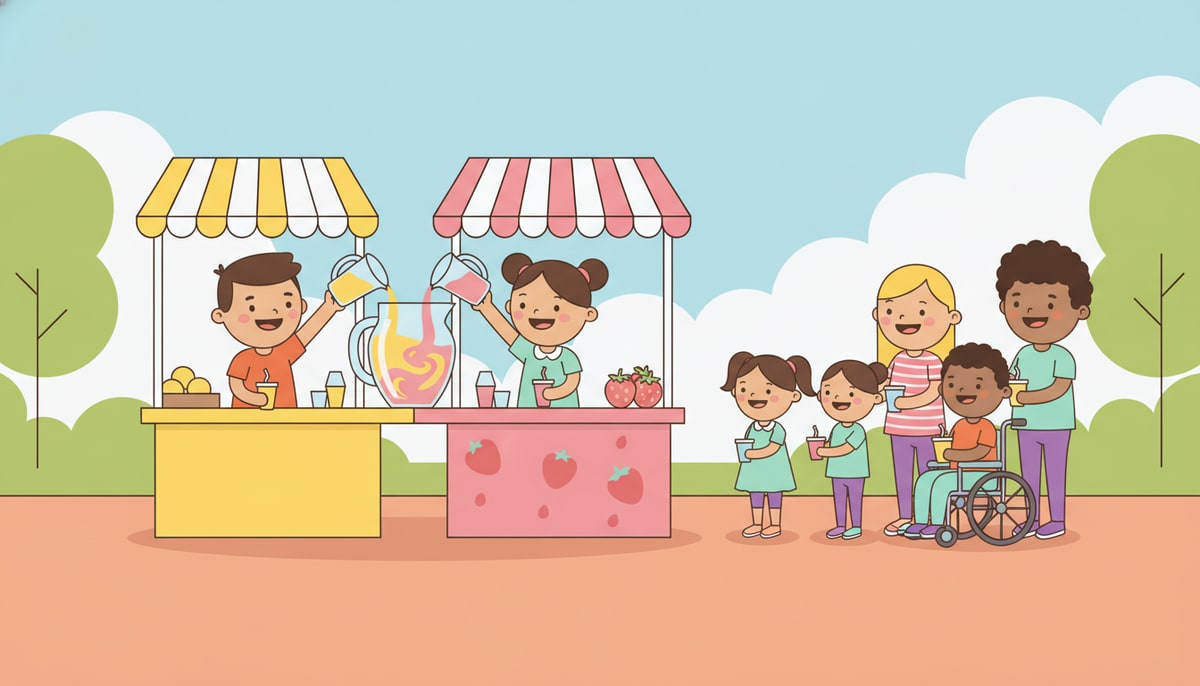
Imagine you and your friend both have lemonade stands. Your stand is super popular for its classic lemonade, and your friend's stand is known for its amazing strawberry lemonade. Now, imagine you both decide to combine your stands. You could offer both kinds of lemonade, share your best customers, and maybe even buy lemons in bigger batches to save money. That's kind of what happens when big companies like PayPal and Stripe consider joining forces.
Companies buy other companies for lots of reasons:
- To get bigger: More customers, more reach!
- To get better: They might want a special technology or idea the other company has.
- To save money: Combining operations can sometimes be more efficient.
- To offer more stuff: Like our lemonade stand example, they can offer a wider variety of services.
In the case of PayPal and Stripe, they're both giants in the online payment world, but they each have their strengths. A merger could mean even more ways for people to pay and get paid, and maybe even new, innovative services we haven't even thought of yet!
Your Money, Their Decisions
Even though you're not directly involved in these big business deals, understanding them helps you see how the world of money works. When companies grow or combine, it changes the landscape for everyone. For example:
- New ways to pay: Maybe a combined company would invent a super-easy way for you to pay for your video games online when you're older.
- More competition (or less): If two big companies become one, sometimes there's less competition, which can affect prices. Other times, it pushes other companies to innovate even more!
- Investing in the future: For adults, these kinds of deals are often exciting because they can make the company's stock more valuable. When you start thinking about investing, you'll learn how you can own a tiny piece of big companies like these!
The main takeaway here is that money isn't just about the coins in your pocket. It's about ideas, technology, and big decisions made by smart people trying to make their businesses better and more valuable. It shows that even in the digital age, being smart about how you handle money – whether you're a giant tech company or a kid saving for a new bike – is super important.
What Does This Mean for You?
For you, right now, it's a great reminder that money is always moving and changing. Companies are always looking for ways to grow, innovate, and serve their customers better. As you get older, you'll be one of those customers, and maybe even an entrepreneur yourself, building the next big thing!
P.S. This week, talk with your parents about one thing they've bought online recently. Ask them how they paid for it. Was it with a credit card, PayPal, Apple Pay, or something else? Understanding how money moves in the digital world is a great first step!
Stay in the loop
We ship new free guides, printables, and the occasional deal — roughly twice a month. No spam, unsubscribe anytime.
Three streams available: 30-day welcome series, biweekly newsletter, and (opt-in) daily blog posts. Pick which you want after signing up. One click to unsubscribe from any.