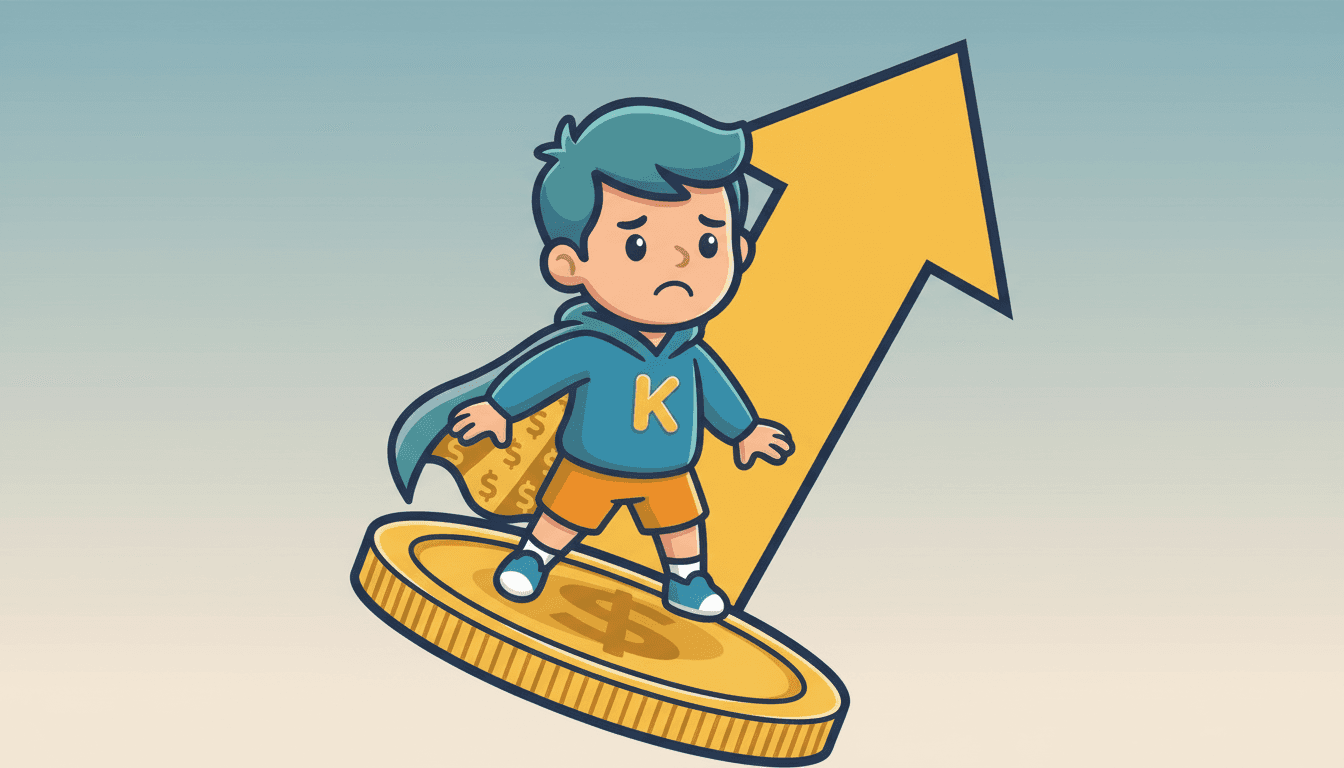
Why Rising Prices Matter for Your Kids' Allowance
Consumer prices are up again! Here's how to talk to your kids about inflation and why their money might not go as far.
Inspired by: Consumer prices rose 3.8% annually in April, the highest since May 2023 - CNBC
Today's news brings a headline that might make your wallet feel a little lighter: "Consumer prices rose 3.8% annually in April, the highest since May 2023." This means that, on average, things cost almost 4% more than they did a year ago. For us grown-ups, it means our dollars don't stretch quite as far. But guess what? This isn't just a grown-up problem. It's a fantastic real-world lesson for our kids about the value of money.
What's Inflation, Anyway?
You might hear the word "inflation" on the news, and it sounds super complicated. But for kids, you can explain it simply: Imagine your favorite candy bar cost $1 last year. Now, because of inflation, that same candy bar might cost $1.04. It's the same candy, but you need a little more money to buy it. This happens with lots of things, from the ingredients in your dinner to the toys at the store.
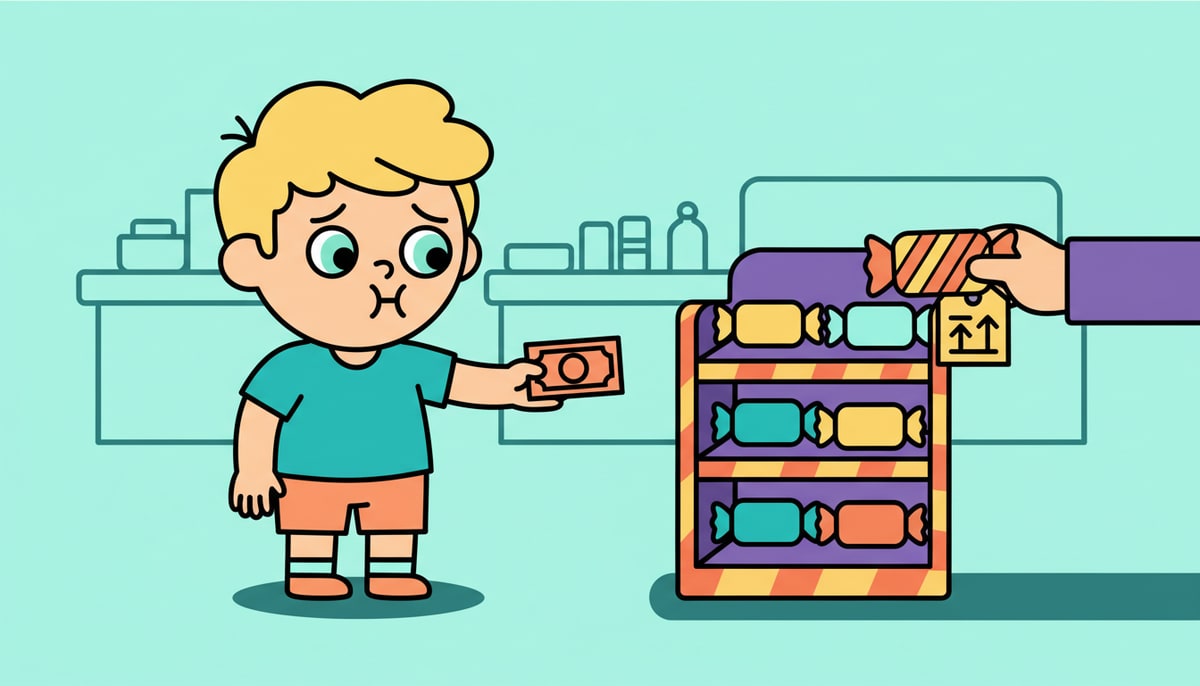
When prices go up, it means your money buys a little less than it used to. This is why that 3.8% number is important – it tells us how much more expensive things have gotten.
Allowance and the Candy Bar Test
This is where your kids' allowance comes in. Let's say your 8-year-old, Leo, earns $5 a week. For months, he's been saving up for a new LEGO set that costs $25. He knows he needs five weeks of allowance to get it.
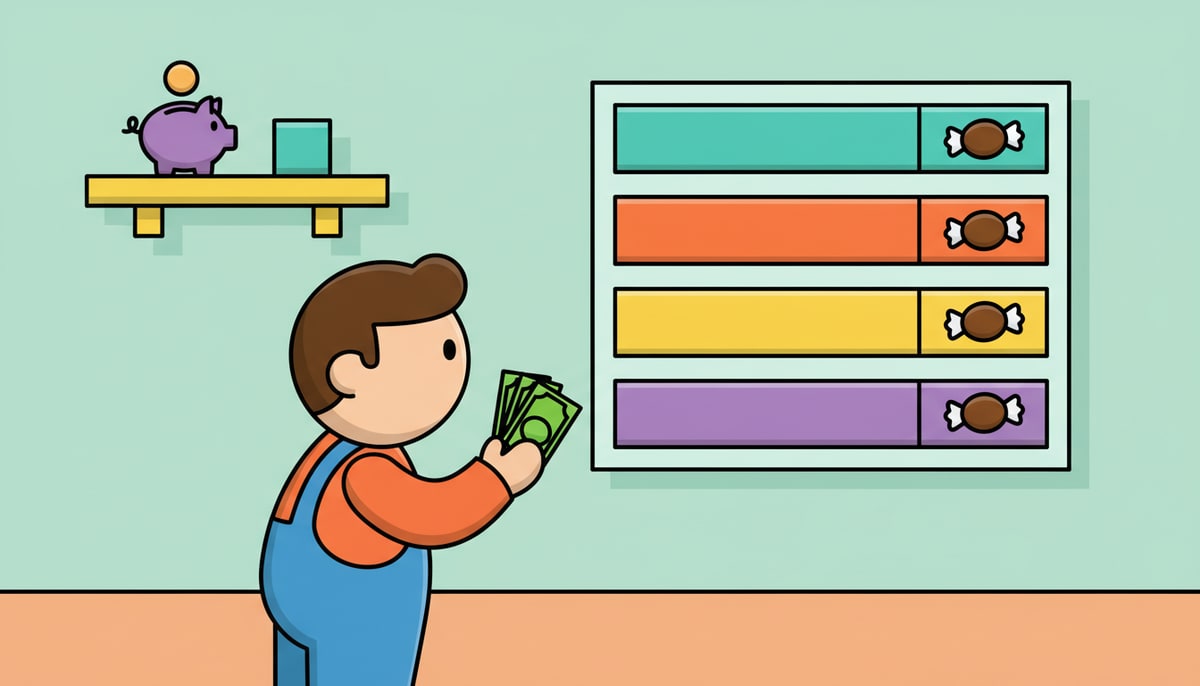
But what if, because of rising prices, that LEGO set suddenly costs $27? Now, Leo's $5 allowance doesn't get him to his goal in five weeks anymore. He needs to earn for an extra half-week, or find a way to save more. This is a very tangible way for kids to understand that the "value" of their money isn't always fixed. It can change.
Talking About "More for Less"
Instead of just handing over their allowance, take a moment to connect it to the news. You could say: "Hey, remember how we talked about things getting a little more expensive? Well, the news today says prices went up almost 4% this year. That means if you wanted to buy that new toy, it might cost a little more than it did a few months ago, even if it's the same toy!"
Then, you can have a conversation:
- "What does that mean for your savings goal?" If they're saving for something specific, help them recalculate how long it might take.
- "How can you adjust?" This is where problem-solving comes in. Can they do an extra chore for a bonus? Can they save a little more each week? Or do they need to pick a slightly less expensive item?
- "Why is saving important?" This news reinforces that saving isn't just about reaching a goal, it's also about having a buffer for when things change.
The Power of Smart Choices
This isn't about scaring kids, but empowering them. When they understand that money's value can shift, they learn to be more mindful consumers. They might start asking questions like:
- "Is this toy really worth the extra money?"
- "Should I buy this now, or wait and see if it goes on sale?"
- "Can I find a similar item that costs less?"
These are all fantastic questions that lead to smarter financial habits down the road. It teaches them to be adaptable and think critically about their spending and saving, rather than just assuming prices will always stay the same.
P.S. This week, when your child asks for something, take a moment to compare its current price to what you think it might have cost a year ago. Even a simple "Wow, I remember these being a dollar less!" can spark a great conversation about changing prices and the real value of their money.
Stay in the loop
We ship new free guides, printables, and the occasional deal — roughly twice a month. No spam, unsubscribe anytime.
Three streams available: 30-day welcome series, biweekly newsletter, and (opt-in) daily blog posts. Pick which you want after signing up. One click to unsubscribe from any.