
Samsung's Big Plan: Why Making More Means More Choices!
Discover how Samsung's decision to double its memory chip output could impact the price of your favorite gadgets and why it matters.
Inspired by: Samsung is expected to more than double output of its HBM4 and HBM4E DRAM
Have you ever really, really wanted a new video game console, a cool tablet, or maybe even a new phone? And then, when you finally get it, you wonder how it all works? Well, today's big tech news gives us a peek behind the curtain!
Samsung, one of the biggest tech companies in the world, is planning to more than double its output of something called HBM4 and HBM4E DRAM. That sounds super techy, right? But it's actually pretty exciting for anyone who loves gadgets, and it teaches us a cool lesson about money and how things get made.
What's a DRAM, Anyway?
Think of DRAM (Dynamic Random-Access Memory) like the short-term memory of a computer or a smartphone. It's where your device keeps all the information it's actively using right now – like when you're playing a game, watching a video, or switching between apps. The more "memory" your device has, the faster and smoother it can run many things at once. HBM4 and HBM4E are just fancy names for a super-fast, super-efficient kind of memory, especially important for powerful stuff like artificial intelligence (AI) and the next generation of computers.

Why Doubling Matters for Your Wallet
So, why is Samsung making so much more of this stuff? It's all about something called supply and demand.
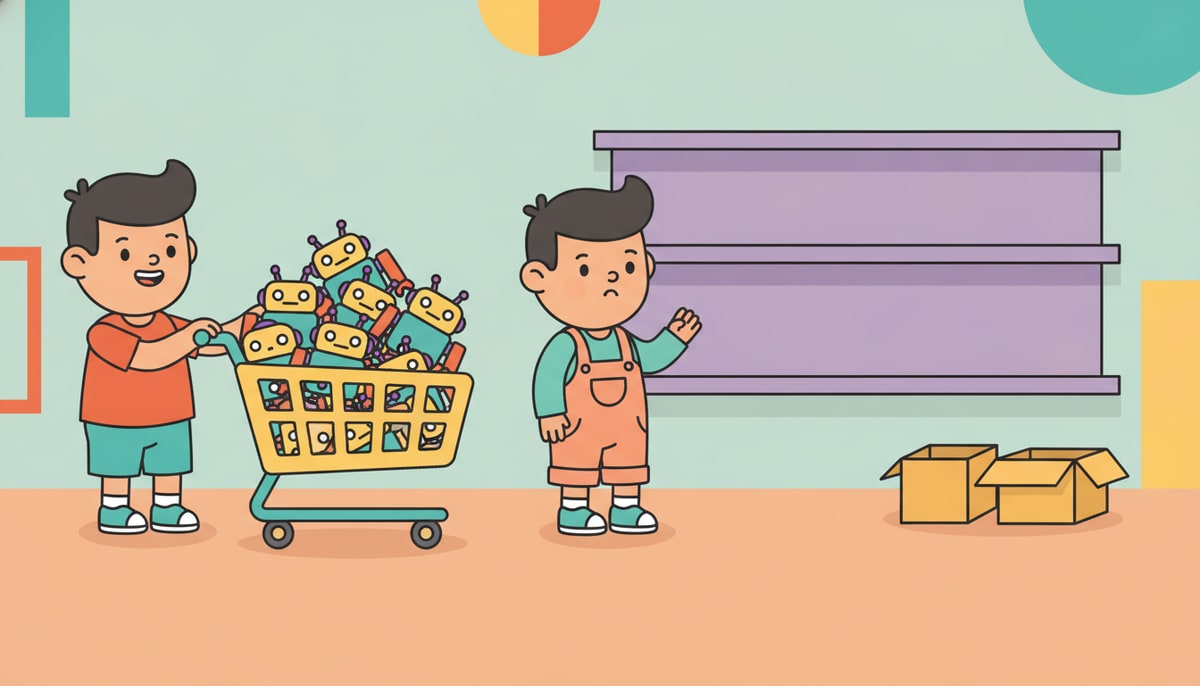
Imagine you have a lemonade stand. If only a few people want lemonade, you might make a small batch. But if suddenly everyone in your neighborhood wants lemonade, what happens? You'd probably make a lot more to meet that demand!
It's the same with tech. Right now, there's a huge demand for these special memory chips because so many new and exciting technologies (like AI) need them to work. When demand is high and supply is low, prices tend to go up. Think about a popular toy right before the holidays – it can be hard to find, and sometimes more expensive!
But when a big company like Samsung decides to double its output, they're greatly increasing the supply. What often happens when supply goes up to meet high demand?
- More Choices: More chips mean more companies can build more devices. This could lead to a wider variety of new phones, computers, and other cool tech gadgets for you to choose from.
- Lower Prices (Eventually!): When there's plenty of something to go around, companies might compete more on price to get you to buy their product. This means that over time, the cost of devices that use these chips could become more affordable. It doesn't happen overnight, but it's a general rule of how markets work.
- Innovation: With more powerful and affordable components available, companies can experiment and invent even cooler things. It's like having more Lego bricks – you can build bigger, more imaginative creations!
Your Money Lesson: Understanding Value
This news about Samsung isn't just for grown-ups who follow the stock market. It's a great way for you to understand that the price of things isn't just made up. It's often connected to how much of something is available (supply) and how many people want it (demand).
When you're saving up for that new game or gadget, remember that prices can change. Sometimes, waiting a little while for new models to come out or for more supply to hit the market can actually save you money! It's all about being a smart consumer and understanding the value of what you're buying.
P.S. This week, when you're looking at a toy or a gadget, ask your child: "If everyone wanted this, do you think it would be easier or harder to find? More expensive or less expensive?" It’s a simple way to start a conversation about supply and demand!
Stay in the loop
We ship new free guides, printables, and the occasional deal — roughly twice a month. No spam, unsubscribe anytime.
Three streams available: 30-day welcome series, biweekly newsletter, and (opt-in) daily blog posts. Pick which you want after signing up. One click to unsubscribe from any.