Saving Your Digital Games: What It Teaches About Value
A new bill in California wants to protect your online games. What does this mean for teaching kids about the value of what they own?
Inspired by: Bill to block publishers from killing online games advances in California
Ever bought a video game, spent hours playing it, only for the company to decide to shut down the servers, making your game unplayable? It's a frustrating experience, right? Well, a new bill advancing in California aims to stop publishers from "killing" online games. This is a fascinating development, and it actually has a lot to teach our kids about the value of what they own, especially in a world increasingly filled with digital purchases.
At first glance, it might seem like a niche tech issue, but think about it: when you buy a physical toy, it's yours. You can play with it, share it, even sell it later. But with digital games, movies, or even e-books, it's not always so clear. Are you buying the item, or just a license to use it? And if the company decides to stop supporting it, what happens to your "purchase"?
What's Really Yours?
This California bill highlights a really important concept for kids: understanding ownership in the digital age. For younger kids, this might start with something simple. Imagine your child buys a new skin in their favorite game with their allowance. They feel like they own it. But if the game company decides to remove that skin, or even shut down the entire game, that "ownership" can disappear.
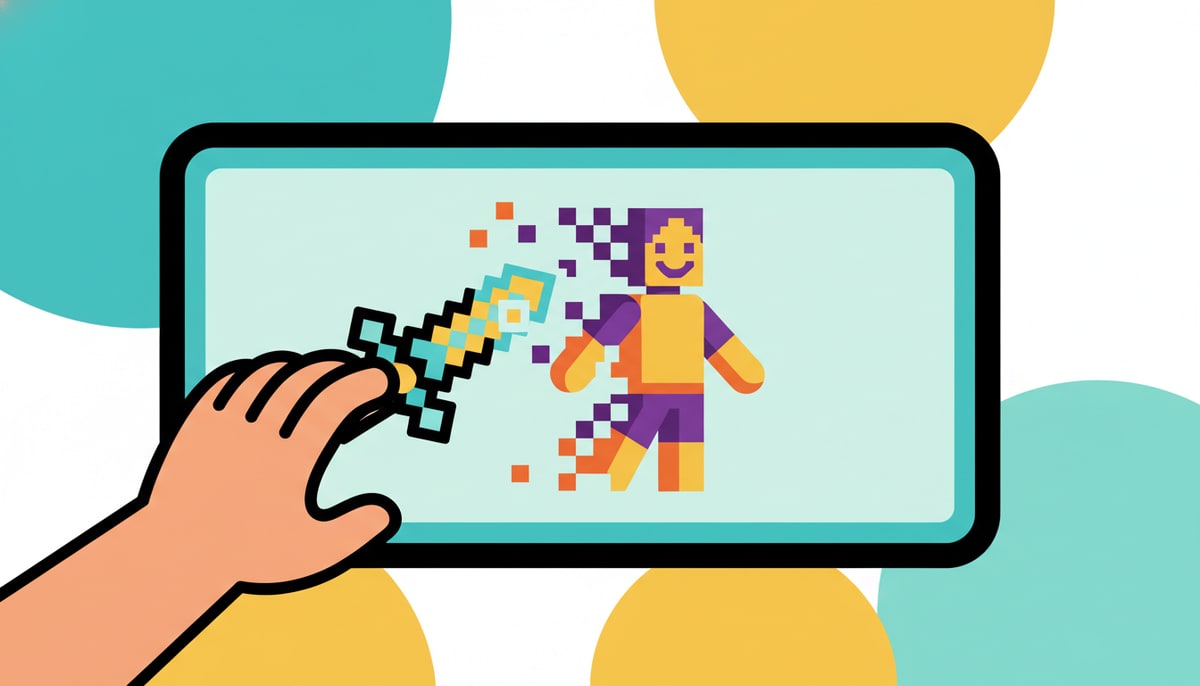
This is a great chance to talk about the difference between physical and digital assets. A physical comic book can be read again and again, passed down, or sold. A digital comic book might disappear if the platform it's on goes away. It’s not about discouraging digital purchases, but about fostering a critical eye.
The Cost of "Temporary" Fun
For older kids, you can dive deeper into the economics. Many online games rely on ongoing server maintenance and updates. Companies have a business model that often involves subscriptions or in-app purchases to sustain these services. When a game isn't profitable anymore, they might decide to shut it down.
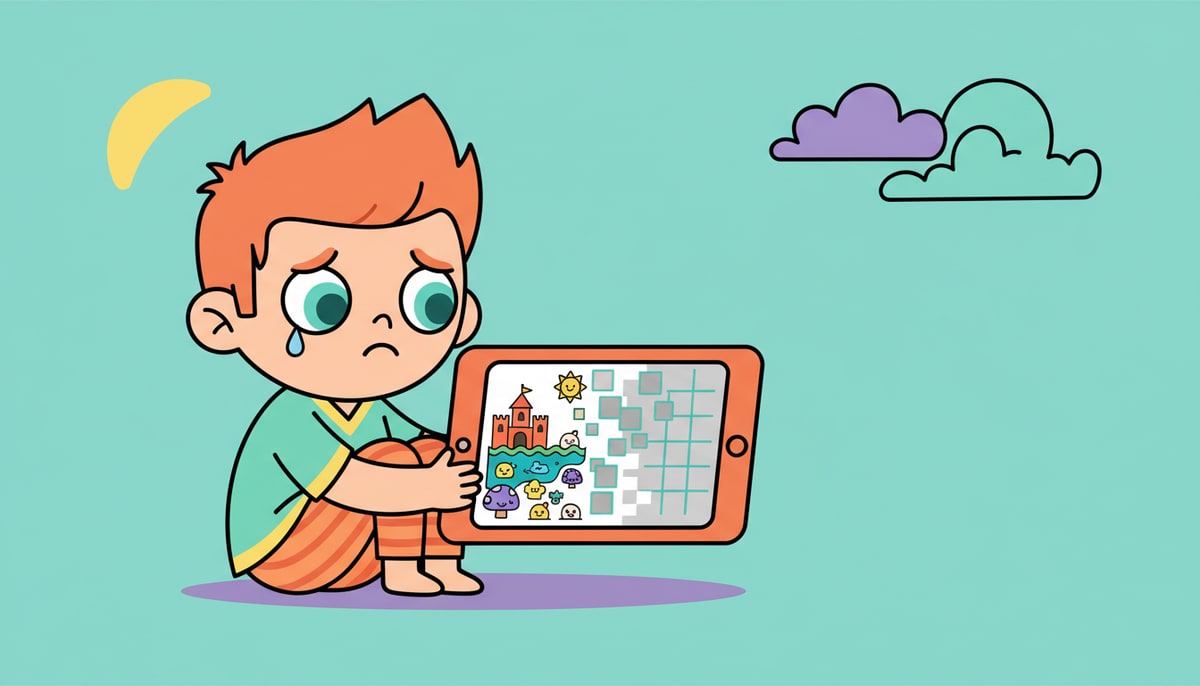
This teaches kids about the "cost" of ongoing services. When they buy a game that relies on online servers, part of their purchase is implicitly contributing to that ongoing cost. If that cost isn't met, the service can end. This isn't necessarily "bad," but it's a reality of the digital economy they need to understand. It helps them think about whether a one-time purchase for a digital item offers lasting value, or if they're paying for access that could be revoked.
Making Smart Digital Choices
So, how can we turn this into a practical lesson?
- Talk about "licenses" vs. "ownership": Explain that with many digital items, they're buying a license to use it, not necessarily owning the underlying code or content forever.
- Consider the longevity: Before a big digital purchase, ask: "How long do you think this will last? What happens if the company stops supporting it?" This encourages them to think about long-term value.
- Physical vs. Digital Savings: If your child is saving for something, discuss the pros and cons of a physical item (like a board game) versus a digital one (like an online game pass). Which one offers more lasting utility or potential resale value?
- The "Why" Behind the Bill: Explain that the California bill is trying to protect consumers – people who buy things – from losing what they paid for. This introduces the idea of consumer rights and why they matter.
Understanding these nuances helps kids become more informed consumers in a world where more and more of their money will be spent on digital goods and services. It's about empowering them to ask smart questions and make choices that align with their understanding of value, whether that's for a virtual sword or a physical skateboard.
P.S. This week, when your child asks for a digital purchase, take five minutes to discuss if it's a purchase they "own" or "license." Ask them what they think the difference is and why it might matter in the long run.
Stay in the loop
We ship new free guides, printables, and the occasional deal — roughly twice a month. No spam, unsubscribe anytime.
Three streams available: 30-day welcome series, biweekly newsletter, and (opt-in) daily blog posts. Pick which you want after signing up. One click to unsubscribe from any.