Savvy Shopping: Redefining Grocery Savings with Your Kids
Discover how families are saving big on groceries and how you can teach your kids smart spending habits in the process.
Inspired by: It's not shameful, it's savvy: The shoppers redefining how to save money on groceries (NPR)
Have you seen the recent NPR headline, "It's not shameful, it's savvy: The shoppers redefining how to save money on groceries"? This really caught our eye here at KidCash because it highlights a shift in how families are approaching their food budgets. Gone are the days when finding a deal felt like a secret to be kept; now, it's a badge of honor, a smart move, and frankly, a necessary skill for many households. And guess what? It's also a fantastic, real-world classroom for teaching your kids about money.
The cost of groceries seems to be ever-increasing, and families are getting creative. This isn't just about clipping coupons anymore; it’s about understanding value, planning meals, and making smart choices before you even step into the store. This "savvy" approach is exactly what we want to instill in our children, so they grow up to be financially resilient adults.
The Family Grocery Budget: A Team Sport
Think about your weekly grocery run. Do your kids ever come with you? Do they ever see the price tags, or do you just whisk them past the produce section with a silent prayer? This is a perfect opportunity to involve them
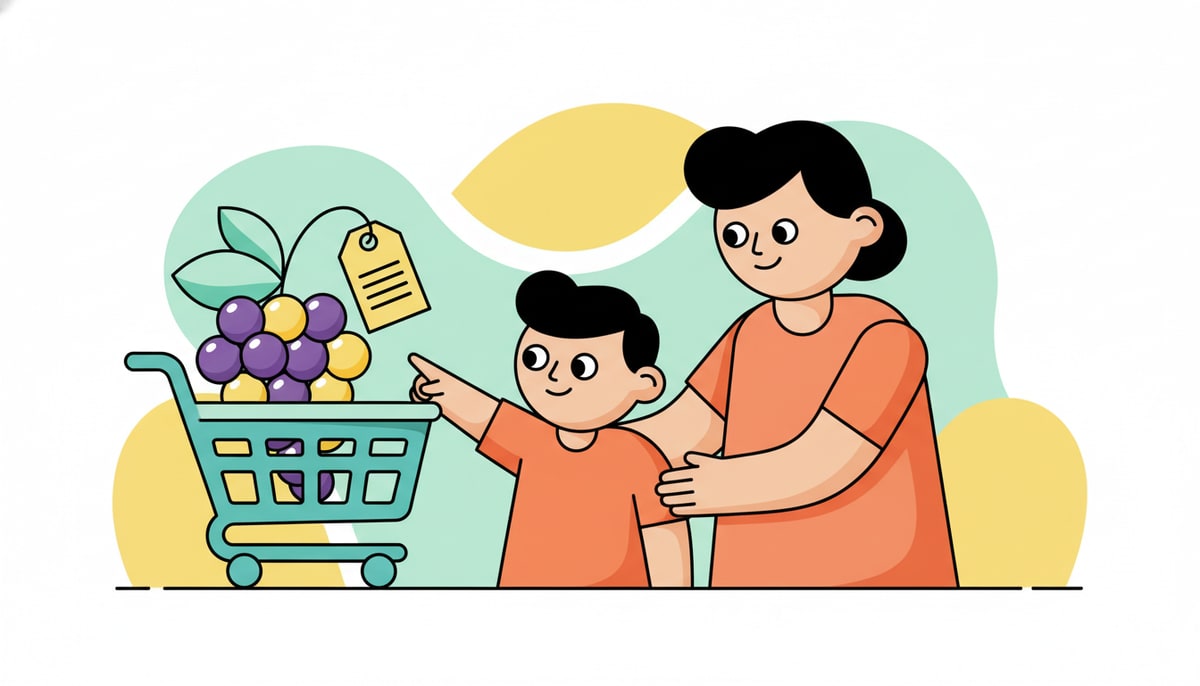 ! Even a 5-year-old can help you find items on your list, and an 8-year-old can start to compare prices.
Here’s how you can turn your grocery trip into a money lesson:
- The "List" Game: Before you go, involve your kids in making the shopping list. Talk about what meals you'll make and what ingredients you need. This teaches planning and prevents impulse buys. You can even give them a small budget for a "fun" item they pick out, teaching them about limits.
- Price Detectives: Challenge your older kids (ages 8-12) to be "price detectives." Give them a specific item, like cereal or yogurt, and ask them to find the best value per ounce or per serving. This is a practical way to understand unit pricing and comparison shopping.
- Store Brand Superheroes: Explain the concept of store brands versus name brands. Often, the quality is similar, but the price difference can be significant. Let your child pick one store brand item to try. This teaches them that "expensive" doesn't always mean "better."
Beyond the Cart: Making Food Dollars Stretch
Savvy shopping isn't just about what happens in the store. It's about what happens before and after.
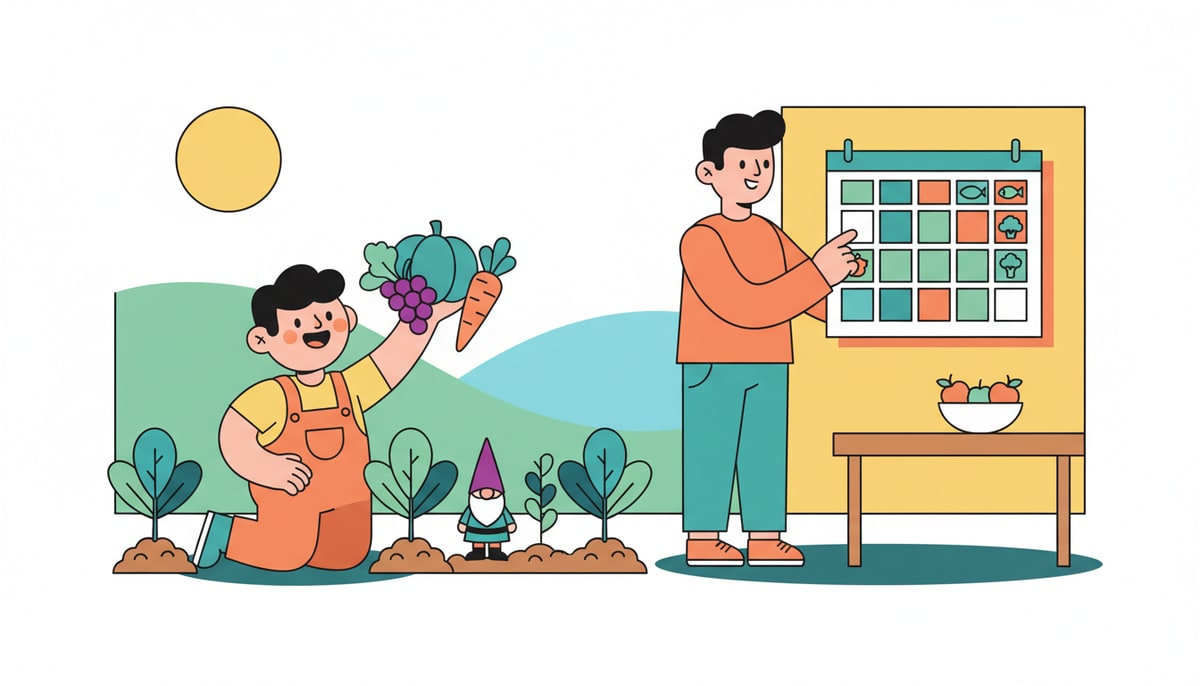
- Meal Planning Masters: Sit down with your pre-teen or teenager and plan a week's worth of meals together. Discuss how to use ingredients efficiently to reduce waste. For example, if you buy a head of broccoli, how can you use it in two different meals? This teaches resourcefulness and budgeting.
- Leftover Legends: Encourage your kids to embrace leftovers! Explain how making a little extra of dinner can become tomorrow's lunch, saving money on eating out. Even making a simple "leftover creation" contest can make it fun.
- "Eat at Home" Challenge: Set a family goal to eat out less and cook more at home. Track how much money you save in a month by doing this. You can even use some of those savings to reward the family with a fun activity or a small treat. This clearly demonstrates the financial impact of their choices.
This new wave of "savvy shopping" isn't about deprivation; it's about empowerment. It's about making smart choices that benefit your family's wallet and teach your kids invaluable life skills. So next time you're heading to the grocery store, remember that it's more than just stocking the pantry; it's an opportunity to grow your kids' financial literacy, one smart choice at a time.
P.S. This week, challenge your 7-12 year old to find the best value for one item on your grocery list (e.g., milk, bread, or apples) and explain their reasoning to you.
Stay in the loop
We ship new free guides, printables, and the occasional deal — roughly twice a month. No spam, unsubscribe anytime.
Three streams available: 30-day welcome series, biweekly newsletter, and (opt-in) daily blog posts. Pick which you want after signing up. One click to unsubscribe from any.