Why Simple Websites Can Be Big Winners!
Discover how a simple website design doubled users overnight and what it teaches kids about smart spending and focusing on what truly matters.
Inspired by: Building an HTML-first site doubled our users overnight
Have you ever heard the phrase, "Less is more"? It's a great saying that usually means sometimes the simplest things are the best. Well, guess what? There's a big story buzzing around today in the tech world that proves it! A company recently shared on Hacker News that by "Building an HTML-first site," they actually doubled their users overnight! That's like going from having 10 friends over to having 20, just by making your party simpler.
Now, you might be thinking, "What's an 'HTML-first site' and what does that have to do with my money?" Great question!
What Does "HTML-First" Even Mean?
Imagine you're building a Lego castle. You could spend hours finding fancy, rare pieces, adding blinking lights, and making sure every single brick is a different color. Or, you could just focus on making a super strong, fun castle with the basic, sturdy bricks.
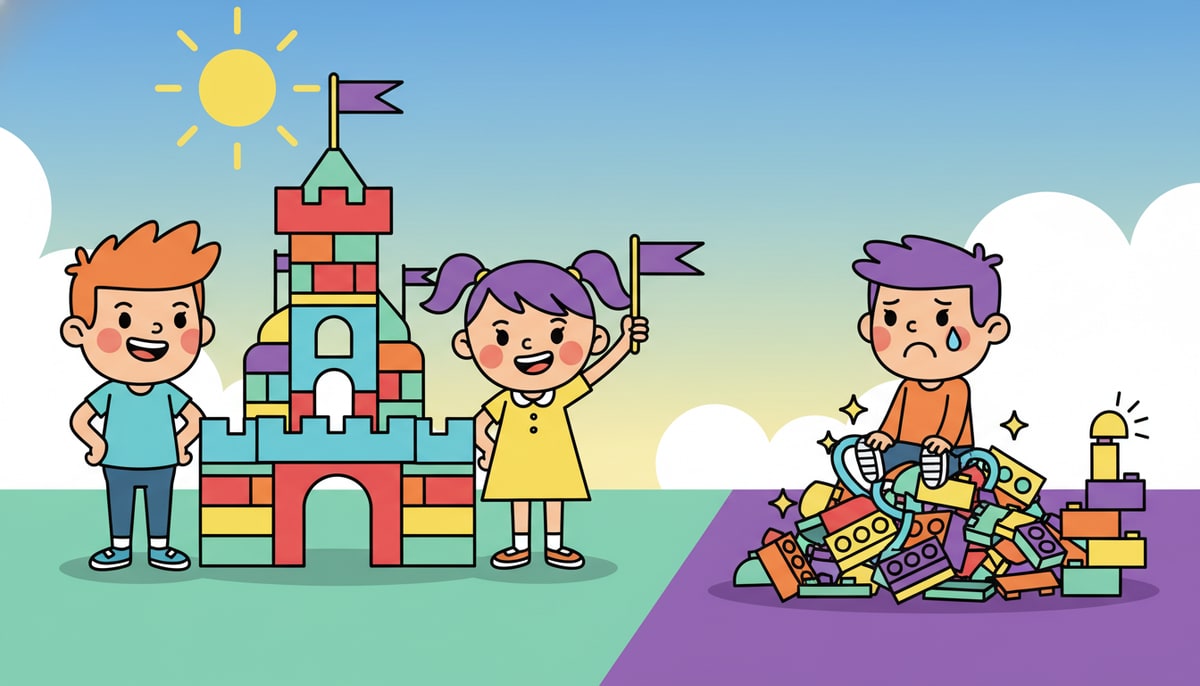
An HTML-first website is kind of like that second castle. HTML is the basic "bones" of a website – it's what makes the words show up, the pictures appear, and the links work. Many websites today add tons of complicated features, animations, and super-fancy designs on top of those basic bones. They try to be everything to everyone.
But this company did the opposite. They stripped away all the extra stuff and focused on making their site fast, easy to use, and clear. And because of that, more people wanted to use it!
The Money Lesson: Focus on Value, Not Flash
This is a huge lesson for kids (and grown-ups
 !) about money. We often think that to get something good, we need to spend a lot or have the flashiest version.
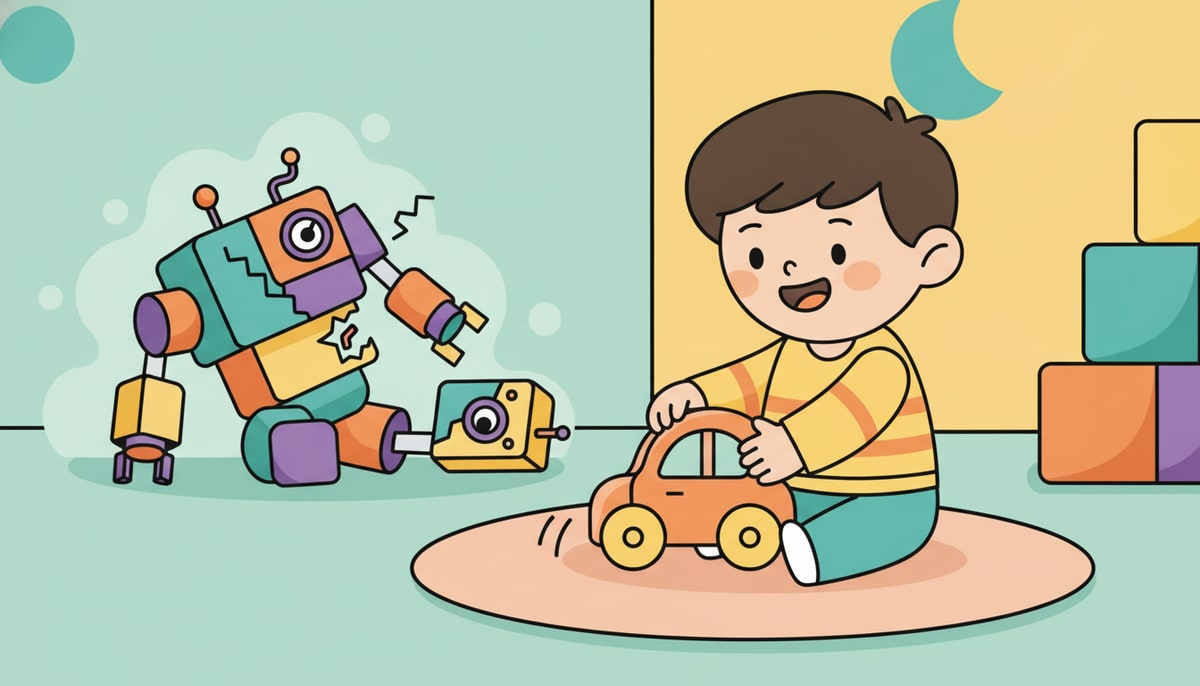
- Think about toys: Do you really need the most expensive, biggest toy with all the bells and whistles, or is the simpler, well-made toy that does its job well actually more fun and lasts longer? Sometimes, the basic version brings more joy.
- Think about clothes: Do you need the brand-new, super trendy outfit that costs a fortune, or can a classic, comfortable outfit that's less expensive make you just as happy (and leave more money for other things)?
- Think about projects: If you're building something, like a lemonade stand or a birdhouse, do you need the most expensive materials, or can you use simpler, sturdy things that get the job done and look great?
The company that doubled its users didn't spend more money on complicated tech; they focused on making their website better by making it simpler. They focused on delivering core value – making it easy for people to use their service – rather than adding lots of expensive, flashy features that might have actually slowed things down or confused people.
Spending Smart Means Knowing What Matters
This story reminds us that when you're making choices about how to spend your money, it's important to think about what truly matters.
- What's the main goal? For the website, the goal was to get users to engage easily. For you, if you're buying a new bike, the goal is probably to ride it safely and have fun. Do you need the most expensive model, or will a reliable, mid-range bike do the trick and save you money for a helmet or a lock?
- Are you paying for "fluff" or "function"? Sometimes, extra features don't add much to the experience but add a lot to the price tag. Learning to tell the difference is a superpower for your money.
- Simplicity can save you money (and make you happier!): By choosing simpler options that still meet your needs, you can save money, reduce stress, and often enjoy things more because they're less complicated.
So, next time you're thinking about buying something or working on a project, remember the HTML-first website. Sometimes, the path to success (and saving money!) isn't about adding more, but about focusing on the simple, strong foundations.
P.S. This week, challenge your child to pick one thing they want to buy and research a simpler, less expensive version that still meets their needs. Discuss the pros and cons of both options and see if they can identify the "fluff" versus the "function."
Stay in the loop
We ship new free guides, printables, and the occasional deal — roughly twice a month. No spam, unsubscribe anytime.
Three streams available: 30-day welcome series, biweekly newsletter, and (opt-in) daily blog posts. Pick which you want after signing up. One click to unsubscribe from any.