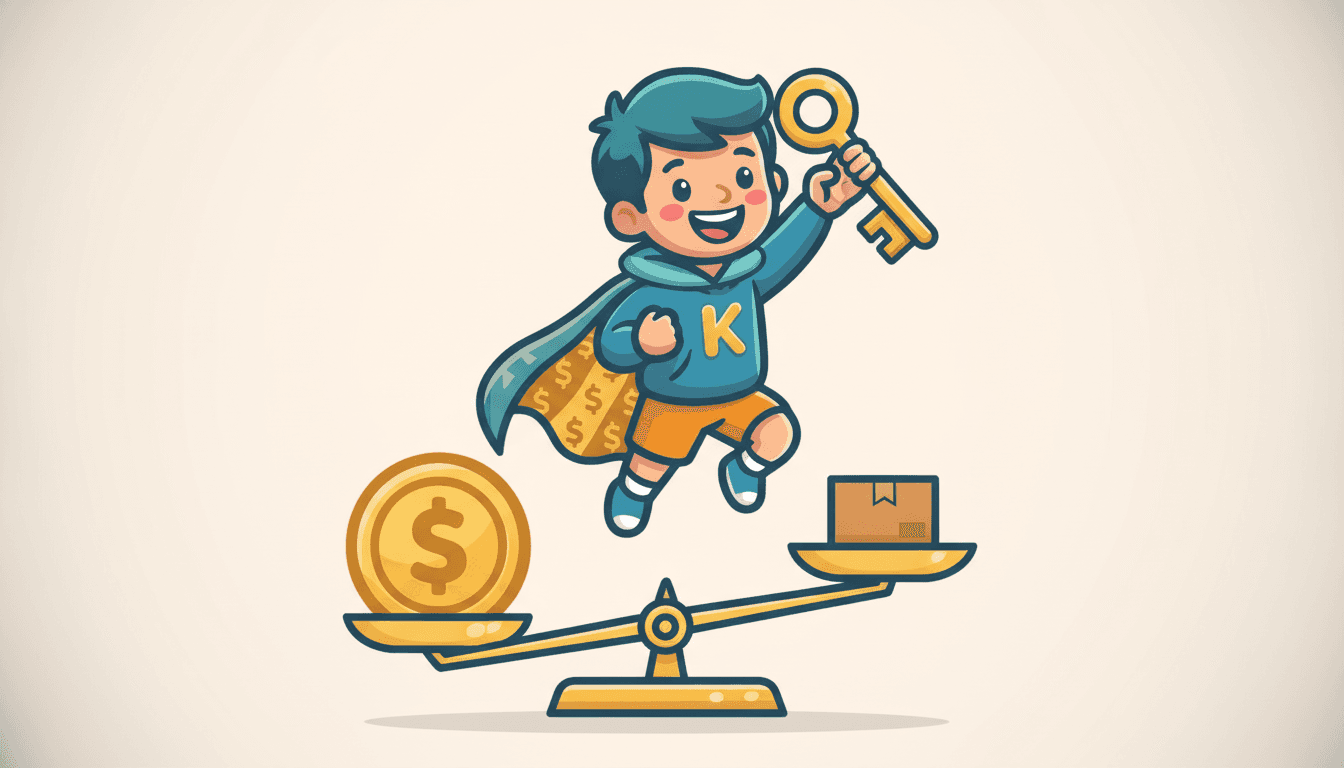
Taste Is All That's Left? Why Hobbies Are Worth Your Money
A quirky headline from today's news makes us think about why spending on things you love is a smart money move.
Inspired by: Taste Is All That's Left
Have you ever heard someone say, "Taste is all that's left"? It's a bit of a strange phrase, right? It popped up in the news today on Hacker News, and it got us thinking here at KidCash. What does it even mean? And more importantly, what does it have to do with your money?
Sometimes, people use "taste is all that's left" to talk about how in a world full of so many things, what we enjoy and prefer becomes super important. Think about it: there are millions of toys, games, books, and activities out there. You could spend money on anything, but you usually choose things that you genuinely like and find fun. That "taste" – your personal preference – guides your spending.
Why Your "Taste" Is a Money Superpower
When you're deciding how to spend your allowance or birthday money, you're practicing your "taste." Do you love building LEGOs? Maybe your taste leans towards creative projects. Are you obsessed with learning about animals? Then books about wildlife or trips to the zoo might be what you save for.
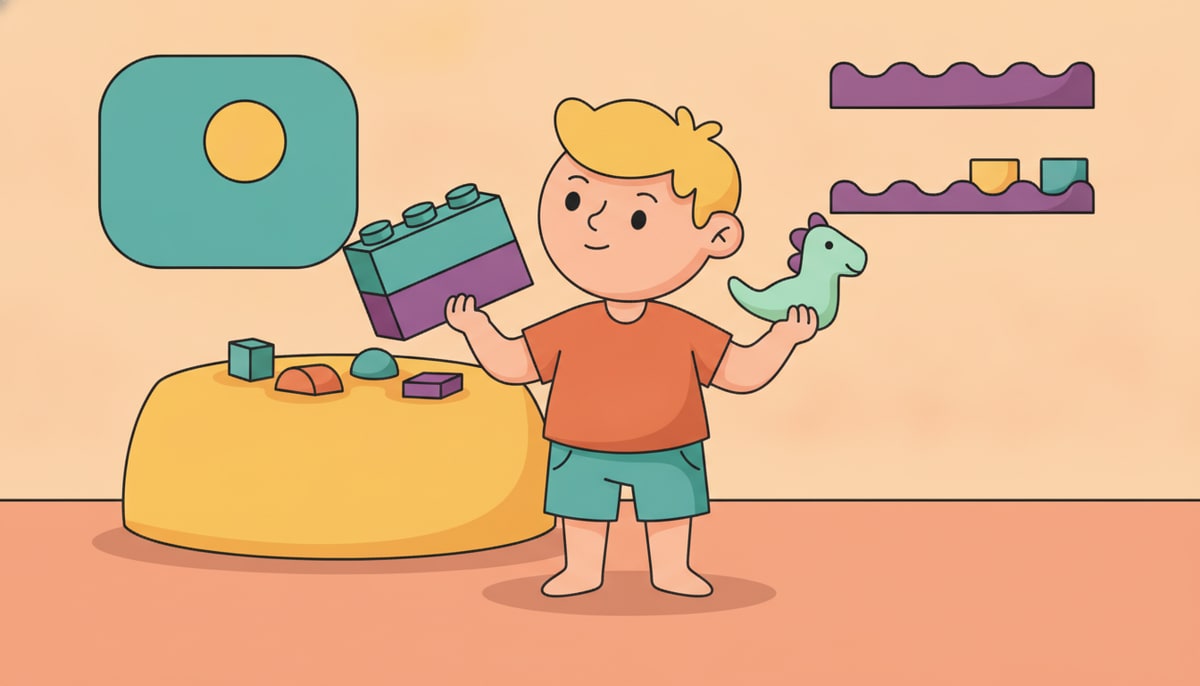
Here’s why embracing your taste is a money superpower:
- It helps you prioritize: When you know what you truly enjoy, it's easier to decide what to spend your money on and what to pass up. If you don't really like video games, you won't be tempted to buy the newest one just because your friends have it. That saves you money for something you will love.
- It makes saving more exciting: Saving money can sometimes feel like a chore. But if you're saving for a new skateboard because you love skateboarding, or for art supplies because you love to draw, the saving process becomes part of the fun! You're working towards something you genuinely want.
- It teaches you value: When you spend your hard-earned money on something you truly value and enjoy, you understand its worth better. You're less likely to break it or neglect it because you know the effort (and money!) it took to get it.
Hobbies: An Investment in Fun
Think about your hobbies. Whether it's playing soccer, collecting trading cards, learning an instrument, or reading fantasy novels, these are things you do because you enjoy them. And often, hobbies require a little bit of money. You might need a new soccer ball, a pack of cards, music lessons, or a new book.
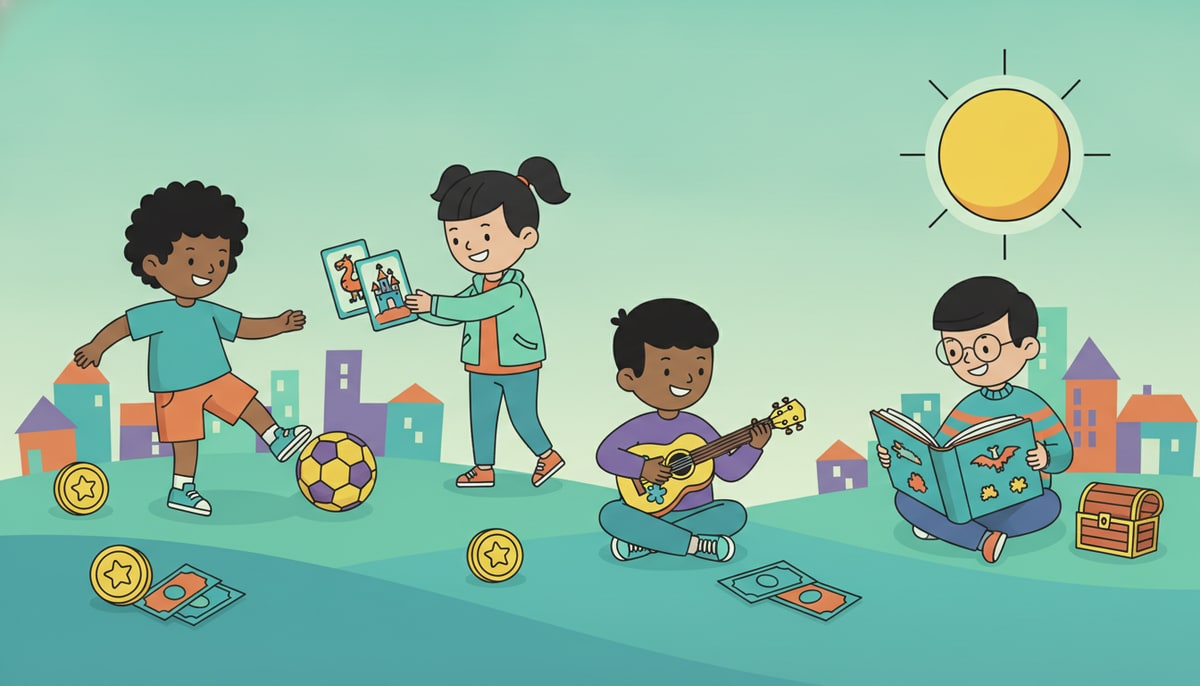
Spending money on your hobbies isn't just "spending" – it's an investment in your happiness and personal growth. When you invest in your hobbies, you:
- Learn new skills: Maybe you're getting better at playing the piano, which teaches you discipline and creativity.
- Meet new friends: Joining a sports team or a chess club connects you with others who share your interests.
- Develop your passions: Hobbies help you discover what you're truly passionate about, which can even lead to future career ideas!
The Smart Spender's Taste Test
So, next time you have some money, take a "taste test." Ask yourself:
- Does this truly match my taste?
- Will I really enjoy this, or am I just buying it because everyone else is?
- Is this something I’ve saved for because I value it?
By being mindful of your own unique tastes and preferences, you'll become a much smarter spender, making sure your money goes towards things that bring you real joy and value.
P.S. This week, ask your kids about their favorite hobbies. Talk about what they enjoy most about them and if there's anything small they'd like to save up for to enhance that hobby. It could be a new set of paints, a better basketball, or a ticket to a local event related to their interest.
Stay in the loop
We ship new free guides, printables, and the occasional deal — roughly twice a month. No spam, unsubscribe anytime.
Three streams available: 30-day welcome series, biweekly newsletter, and (opt-in) daily blog posts. Pick which you want after signing up. One click to unsubscribe from any.