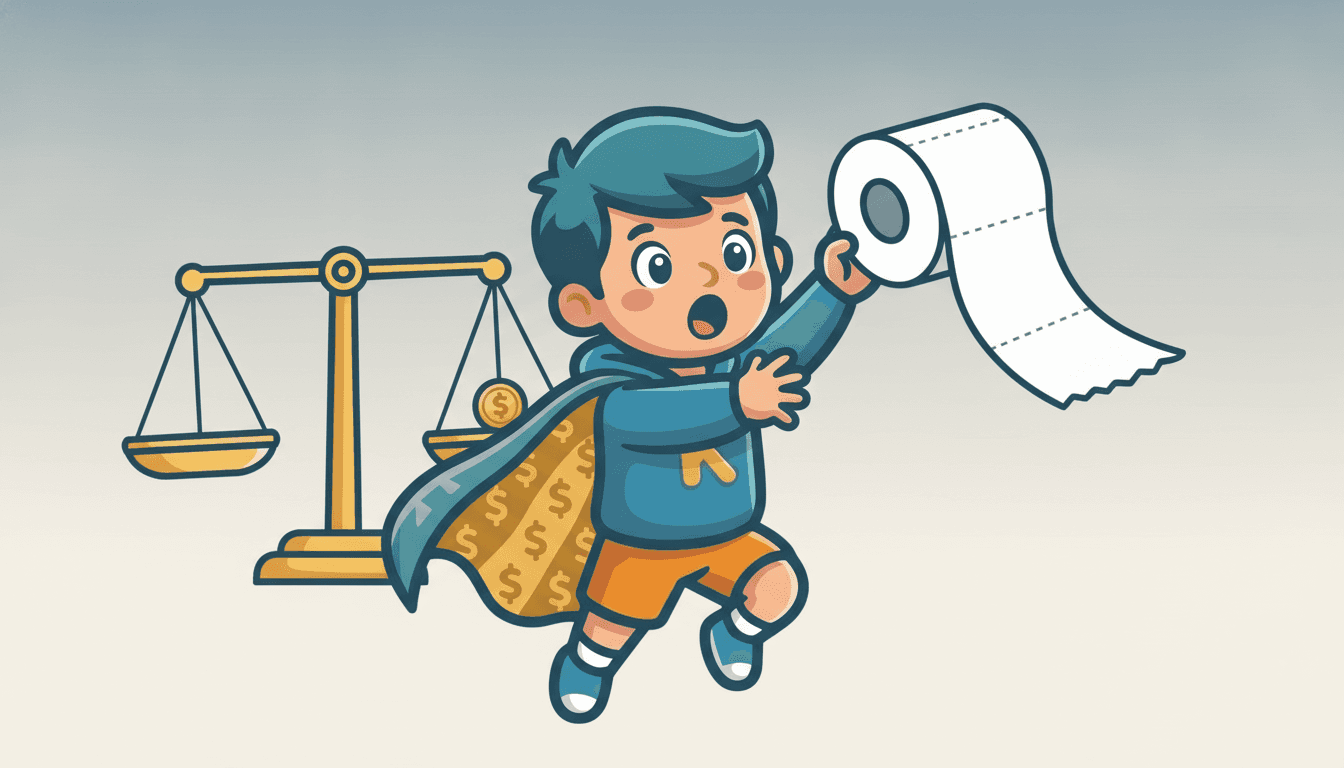
Toilet Paper Prices Up? What a Trade War Means for Your Wallet!
The cost of everyday items like toilet paper is going up because of big global decisions. Here’s what a 'trade war' means for your family's money!
Inspired by: Wiped out: US faces surging toilet paper prices amid trade war with Canada - The Guardian
Did you see the news today about toilet paper prices? The Guardian reported that the US is facing surging toilet paper prices, and it's all tied to something called a "trade war" with Canada. Now, you might be thinking, "Toilet paper? Really?" But this isn't just about what you use in the bathroom; it's a super important lesson about how the world works and how it affects the money in your pocket (and your parents' wallets!).
What's a "Trade War," Anyway?
Imagine you and your best friend both make amazing lemonade. You sell yours for $1, and your friend sells theirs for $1.50. You both agree to sell each other's lemonade in your own neighborhoods so everyone gets to try both. That's like "trade" between countries – they sell things to each other.
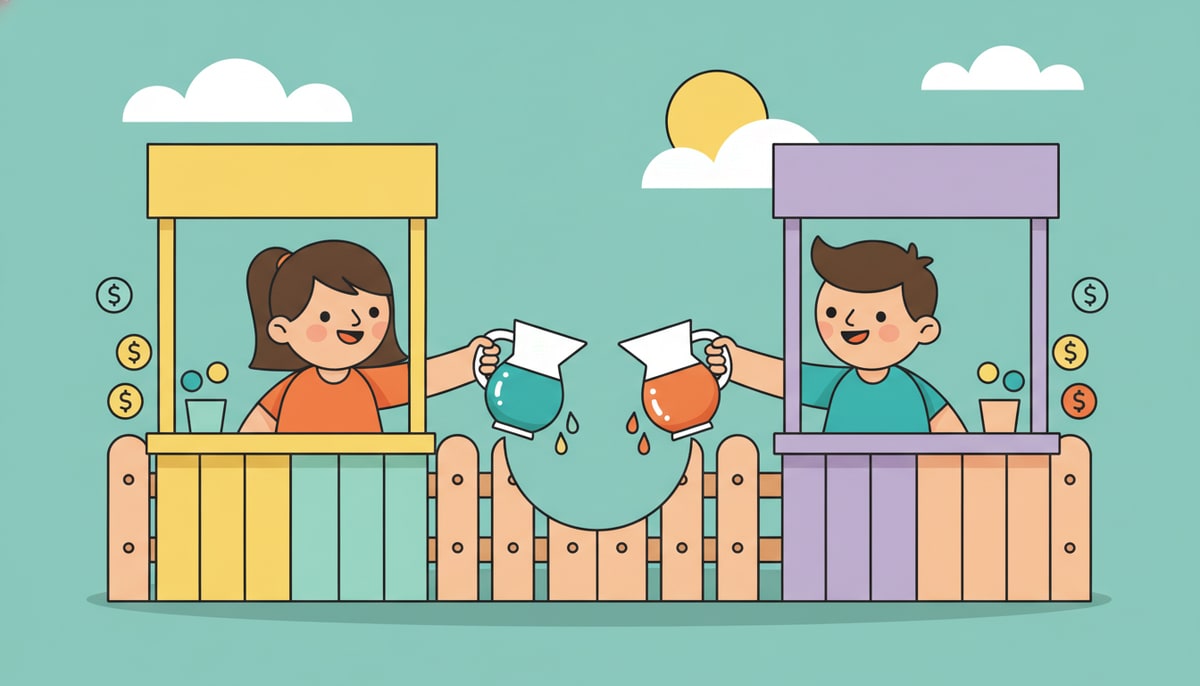
Now, imagine your friend suddenly says, "Hey, if you want to sell your lemonade in my neighborhood, you have to pay me an extra 50 cents for every cup!" That extra 50 cents is like a "tariff" or a "tax" that one country puts on goods coming from another country. When countries start doing this back and forth, putting taxes on each other's stuff, it's called a "trade war."
In the case of the US and Canada, it seems there are disagreements about certain products, and that's leading to these extra taxes. The result? Things like toilet paper, which might use materials or be manufactured in ways affected by these taxes, suddenly cost more for everyone.
Why Does This Matter to Your Allowance?
Even if you're not buying toilet paper yourself, a trade war affects your family's budget in a few ways:
-
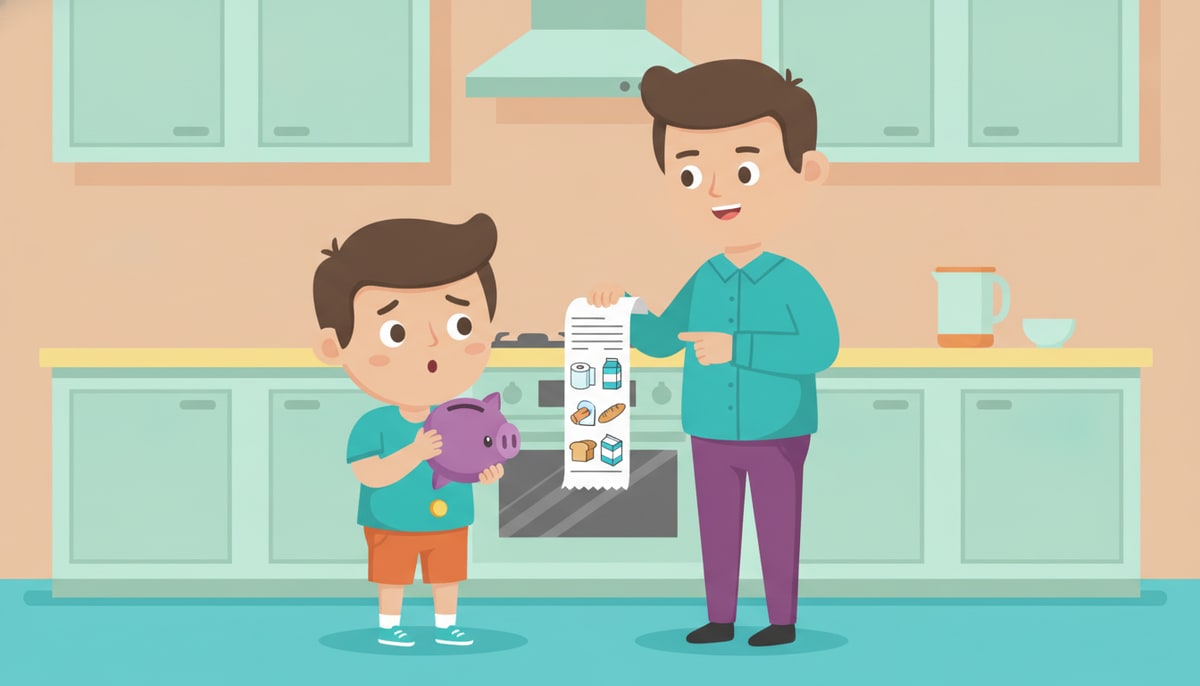
Things Cost More: When your parents have to pay more for basic necessities like toilet paper, they have less money left over for other things. That might mean fewer treats, a delay in buying that new video game, or even a smaller budget for family outings. It's like the money in their wallet just shrunk a little bit, even if their paycheck stayed the same.
-
The Ripple Effect: It's not just toilet paper! If there's a trade war, it can affect lots of different products. Maybe the wood used to make paper comes from Canada, or the chemicals used to make other household items. When one thing gets more expensive, it can make a chain reaction where lots of other things get more expensive too.
-
The Importance of Saving: When prices are unpredictable, saving money becomes even more important. If your family has a little extra saved up, they're better prepared when everyday costs unexpectedly rise. This is a great time to think about your own savings goals. If you're saving for a new bike, imagine if the price suddenly went up. Having a bit extra saved means you're still on track!
Be a Smart Consumer (Even for Toilet Paper!)
This news is a good reminder that the price of things isn't always stable. Here's what you can do:
- Ask Questions: Talk to your parents about what they're seeing at the store. Have they noticed other prices going up? Why do they think that's happening?
- Look for Alternatives: Sometimes, when one brand gets too expensive, another brand might still be affordable. This teaches you about comparing prices and making smart choices.
- Appreciate What You Have: When things get more expensive, it makes you appreciate the things you have and use them wisely. Wasting less can actually save your family money!
Understanding big global events like trade wars might seem complicated, but they have a very real impact on your family's everyday life and how much things cost. It’s all part of learning how money works in the real world!
P.S. This week, challenge your kids to look at a few different brands of a common household item (like paper towels, cereal, or yes, even toilet paper!) next time you're at the grocery store. Compare the prices and discuss why some might be more expensive than others. It's a simple way to start a conversation about value and consumer choices!
Stay in the loop
We ship new free guides, printables, and the occasional deal — roughly twice a month. No spam, unsubscribe anytime.
Three streams available: 30-day welcome series, biweekly newsletter, and (opt-in) daily blog posts. Pick which you want after signing up. One click to unsubscribe from any.