Trade Wars & Tariffs: Why Buying From Far Away Costs More!
Canada just put new taxes on US goods! Learn how 'tariffs' affect what you buy and why countries do this.
Inspired by: Canadian tariffs on U.S. milk, perfume, golf clubs and other goods take effect as trade war grinds on - CBS News
Hey KidCash crew! You might have heard some grown-ups talking about "trade wars" or "tariffs" recently. It sounds like something from a history book, but it's actually happening right now! CBS News is reporting that Canada just put new taxes on things like U.S. milk, perfume, and even golf clubs. This means if you live in Canada and want to buy American milk, it's going to cost more. And if you're in the U.S. and want Canadian maple syrup, it might get more expensive too! So, what's going on, and how does it affect your piggy bank?
What's a Tariff, Anyway?
Imagine you have a lemonade stand. You sell a delicious cup for 50 cents. Now, imagine your friend across the street also has a lemonade stand, and they sell theirs for 40 cents. If you wanted to make sure people bought your lemonade, you might ask the city to put an extra 15-cent tax on your friend's lemonade. That extra 15 cents is like a tariff
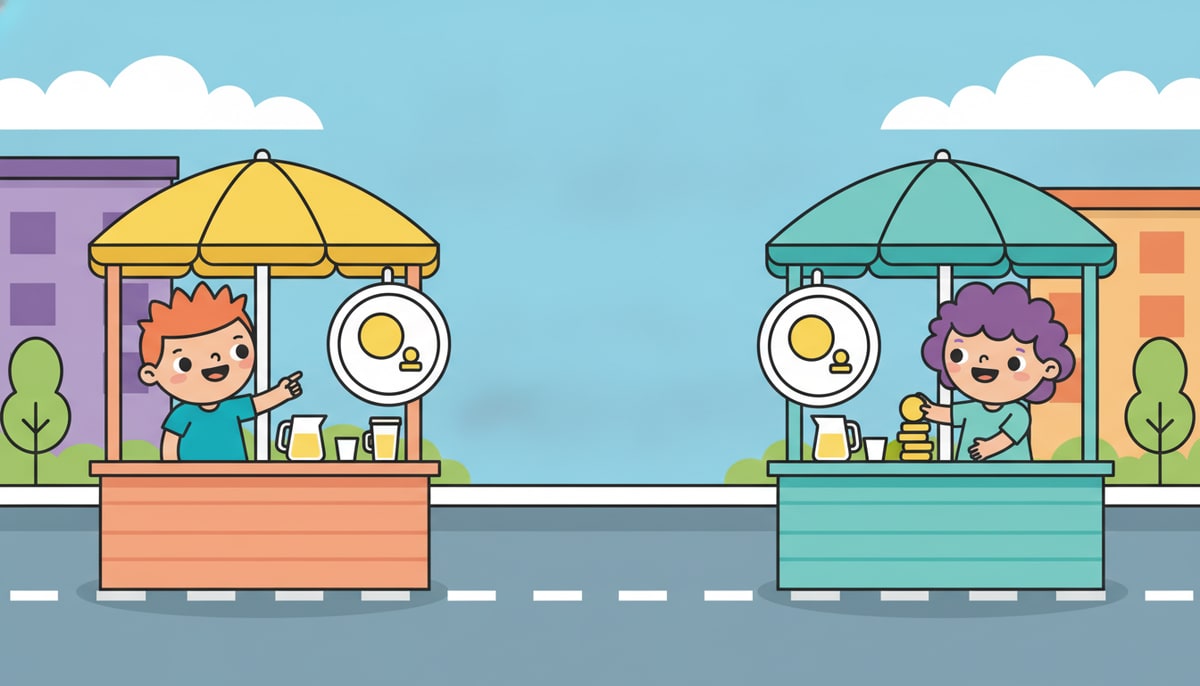 ! It makes your friend's lemonade more expensive, so yours looks like a better deal.
Countries do this too. When one country puts a tariff on goods from another country, it's basically adding a tax to those imported items. The goal? To make products made inside their own country seem cheaper and more appealing to shoppers. In this case, Canada is putting tariffs on certain U.S. products, perhaps hoping Canadians will buy more Canadian-made milk or perfume instead.
Who Pays for Tariffs?
This is the tricky part
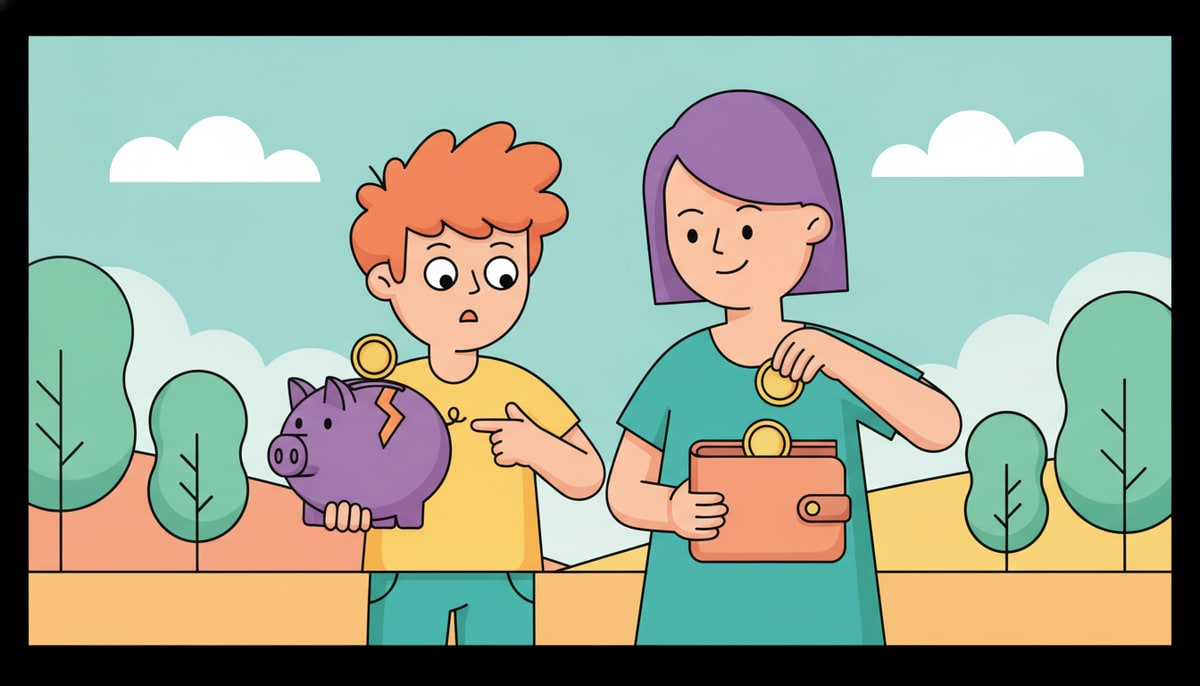 ! When a tariff is added, the company importing the product usually has to pay that extra tax. But guess what? They don't just eat that cost. They usually pass it on to you, the consumer, by raising the price of the product. So, if a bottle of U.S. perfume used to cost $20 in Canada, with a tariff, it might now cost $22 or $25.
This means that even if you're not directly involved in buying things from another country, these trade decisions can still impact the prices you see at the store for everyday items. It's a hidden cost that can make your allowance stretch a little less far if you're buying affected products.
Why Do Countries Do This?
Countries put tariffs in place for a few reasons. Sometimes, it's to protect their own businesses and jobs. If Canadian milk producers are struggling because U.S. milk is cheaper, tariffs can help even the playing field. Other times, it's a way to get another country to change its policies, like in a "trade war" where countries go back and forth with tariffs.
For kids, understanding tariffs helps you see how the world economy is connected. When you buy a toy made in another country, or even a piece of fruit grown far away, there's a whole system of trade, taxes, and rules that determine its price. It shows that the cost of things isn't just about how much it costs to make them, but also about decisions made by governments.
Your Money Lesson: Think Globally, Spend Locally?
This news about Canadian tariffs is a great reminder that where things come from can affect their price. When you're saving up for something, like a new video game or a cool pair of shoes, it's worth thinking about where that item was made. Sometimes, buying something made closer to home might be cheaper because it avoids these extra taxes or shipping costs. Other times, things made far away might still be a better deal!
The main takeaway is that prices aren't always what they seem. There are lots of unseen forces, like tariffs and trade agreements, that influence how much you have to pay. Being aware of these things helps you be a smarter shopper and understand why some things cost more than others, even if they seem similar.
P.S. This week, when you're at the grocery store or shopping online with your parents, pick an item and ask them, "Where was this made?" Talk about whether buying something local or imported might change its price. It's a fun way to connect what's happening in the news to your everyday spending!
Stay in the loop
We ship new free guides, printables, and the occasional deal — roughly twice a month. No spam, unsubscribe anytime.
Three streams available: 30-day welcome series, biweekly newsletter, and (opt-in) daily blog posts. Pick which you want after signing up. One click to unsubscribe from any.