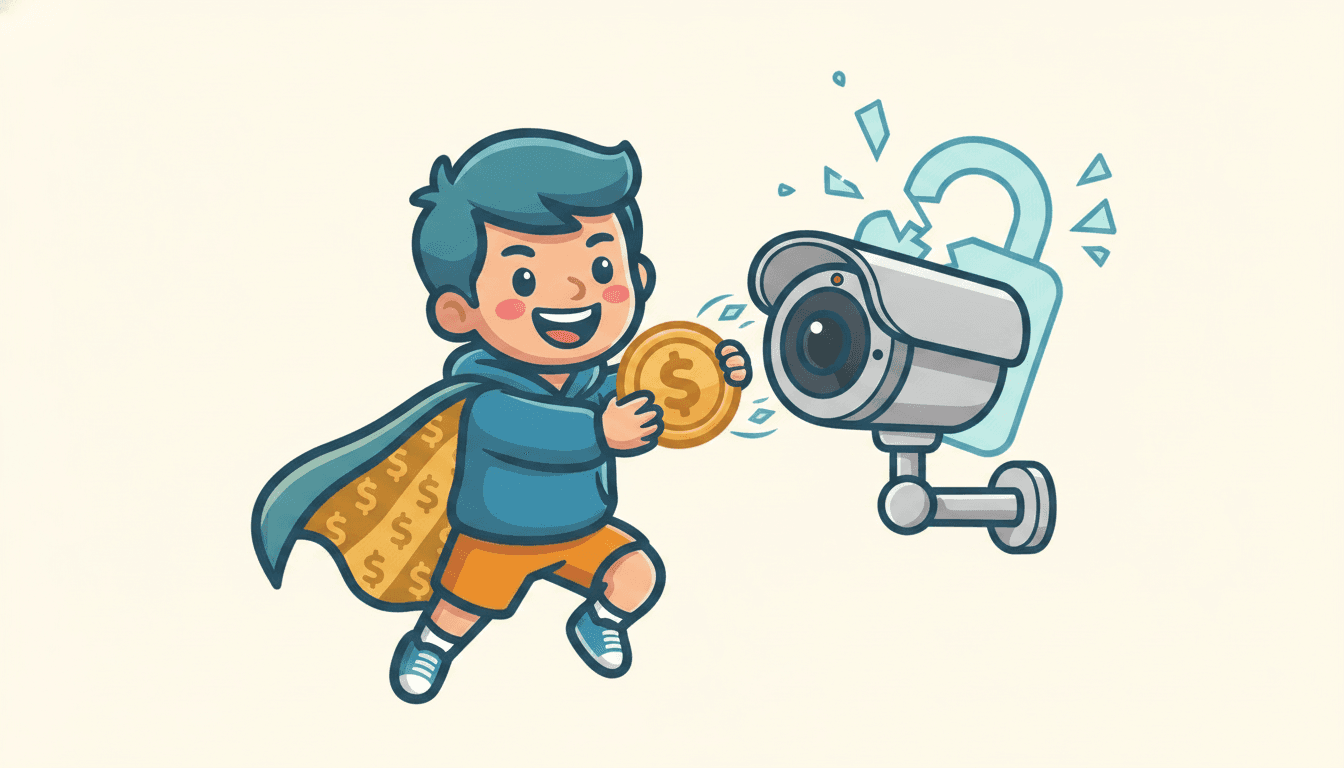
Why People Vandalize Cameras (and What It Teaches Us About Value)
People are vandalizing surveillance cameras. Let's explore why and what it means for how we value things, especially our privacy.
Inspired by: Amid intense backlash, people are vandalizing Flock surveillance cameras - NPR
Have you heard about the news where people are vandalizing Flock surveillance cameras? It's been making headlines, and while we definitely don't condone destroying property, it brings up a really interesting question: Why would people do this? And what does it tell us about what we value?
The news report from NPR talks about an "intense backlash" against these cameras, leading to vandalism. These cameras are used in many places to help with security, but some people feel they invade their privacy too much. They don't like the idea of being watched all the time, even if it's for safety.
What is "Value," Anyway?
This whole situation is a great way to think about "value." When we usually talk about money, "value" often means how much something costs or how much money it can make. A fancy new toy has value because it costs money to buy. A lemonade stand has value because it can earn you money.
But value isn't just about dollar signs. It's also about what's important to us, even if it doesn't have a price tag. Things like privacy, safety, freedom, or even just peace of mind.
In the case of the cameras, the companies that make and install them see value in increased security and potentially catching criminals. They invest money to create and operate these systems because they believe they offer a valuable service.
But the people vandalizing them clearly value something else more: their privacy. They feel that the cost of constant surveillance, even if it's not a money cost, is too high. They're saying, "My privacy is so valuable to me that I'm willing to protest, even in a destructive way, against something that threatens it."
Weighing Different Kinds of Value
This is a really important lesson for kids, even young ones. When you're deciding how to spend your allowance, you're weighing different kinds of value.
- Financial Value: How much does that new video game cost? Do you have enough money?
- Personal Value: How much fun will you get out of it? Is it more important to you than saving for a bike? Will it make you happier than helping a friend?
- Future Value: If you save your money instead, what could you buy later? Is that future thing more valuable to you than the immediate toy?
Sometimes, things that cost a lot of money might not bring you much personal value. And sometimes, things that don't cost any money at all – like spending time with family, a good book from the library, or a walk in the park – can bring immense personal value.
The people upset about the cameras are showing us that sometimes, non-monetary values (like privacy) can be even more important than the monetary value of the cameras themselves, or even the perceived value of safety. They are making a statement that their personal value of privacy outweighs other considerations.
Your Choices Reflect Your Values
Every time you choose how to spend your money, or even your time, you're making a statement about what you value.
- Do you spend all your allowance on candy, or do you save some for a bigger toy? That shows whether you value immediate gratification or a future goal more.
- Do you spend your afternoon playing video games, or do you help a neighbor with chores for a few dollars? That shows whether you value entertainment or earning money more in that moment.
There's no single right answer, just like there's no single right answer in the camera debate. What's important is to understand that you have choices, and those choices reflect what's truly valuable to you. Thinking about why people act the way they do, even if it's controversial, can help us understand these different kinds of value better.
P.S. This week, talk with your kids about what they value most that doesn't cost money. Is it time with friends? Playing outside? Reading? Then, ask them to think about how they spend their time and money, and if those choices line up with what they say they value.
Stay in the loop
We ship new free guides, printables, and the occasional deal — roughly twice a month. No spam, unsubscribe anytime.
Three streams available: 30-day welcome series, biweekly newsletter, and (opt-in) daily blog posts. Pick which you want after signing up. One click to unsubscribe from any.