Wildfires & Your Wallet: Why Being Prepared Pays Off
Washington state wildfires are forcing evacuations. Learn how emergencies can impact your family's money and why planning ahead is smart.
Inspired by: Washington state wildfires force 60,000 people to evacuate homes - BBC
You might have seen the news today about the big wildfires in Washington state. Over 60,000 people have had to leave their homes! Imagine having to pack up quickly and not knowing when you can go back. It's a scary situation, and it's happening to real families right now.
While we hope everyone stays safe, this kind of event also brings up a really important money lesson for us: the importance of being prepared for the unexpected.
What Happens When Life Throws a Curveball?
When something big and unexpected like a wildfire, a flood, or even a big storm happens, it can really shake things up, not just for your safety, but for your family's money too. Think about it:

- You might need a place to stay: If your family has to leave your home, you might need to stay in a hotel, or buy food if you can't cook at home. These things cost money!
- Things might get damaged: Sometimes, homes or cars can get damaged, and fixing them costs a lot. Insurance helps, but there can still be costs your family has to pay.
- Work might be interrupted: If grown-ups can't go to work because of an emergency, they might not earn their usual pay. This can make it harder to pay for everyday things.
These are all reasons why having a "safety net" – a special pot of money saved just for emergencies – is so important.
Your Emergency Fund: Your Money Superpower!
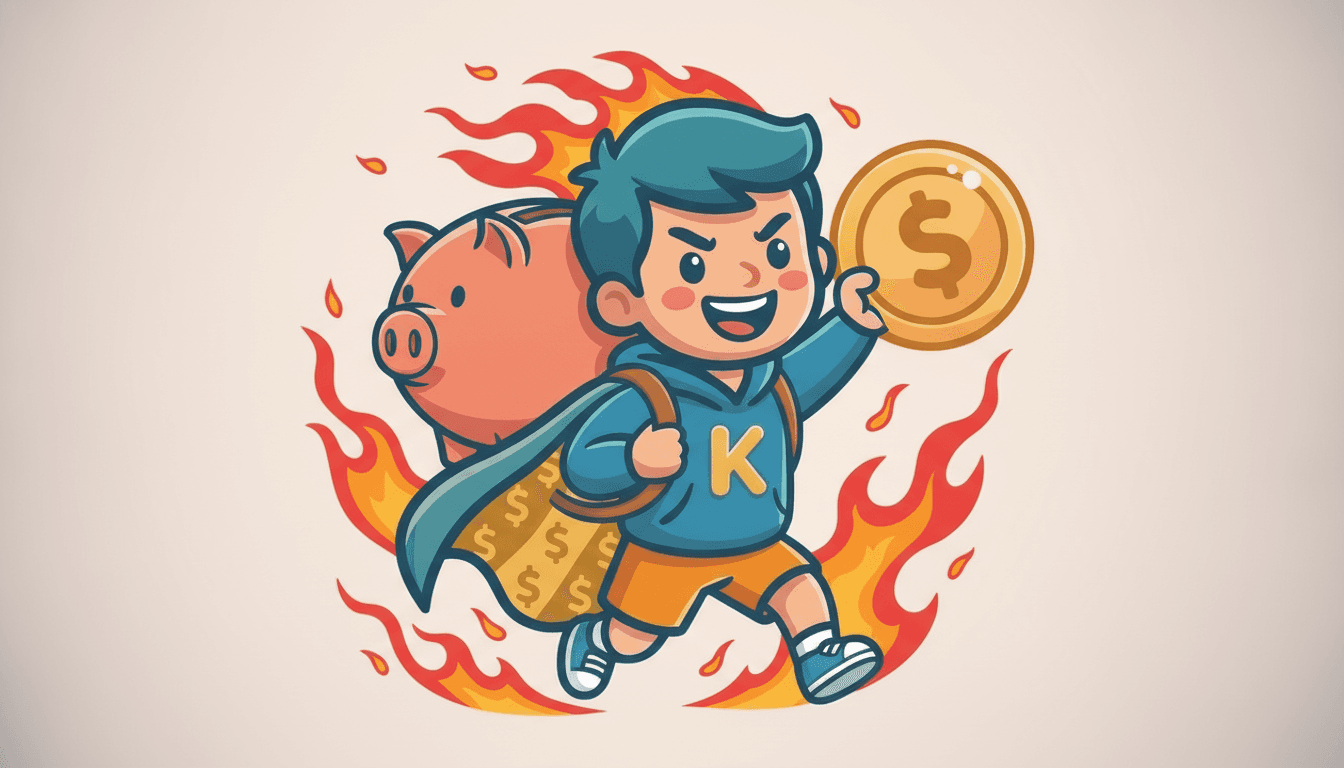
An emergency fund is like a superhero cape for your family's money. It's money put aside for when things go wrong, so you don't have to worry as much about how you'll pay for unexpected costs.

Even as a kid, you can start to understand and even contribute to this idea.
- Saving for a rainy day: Think about your own savings goals. Maybe you're saving for a new video game or a special toy. An emergency fund is like that, but for your family's needs when things get tough, not just wants.
- Needs vs. Wants: In an emergency, your family might have to spend money on needs (like a safe place to sleep or food) instead of wants (like a new movie or going out to eat). Knowing the difference helps you understand why saving for needs first is smart.
- Every little bit helps: Even if you only have a few dollars, understanding that saving for the unexpected is important is a huge step. Maybe your allowance has a "save for emergencies" jar, just like your parents have a bigger one.
Being Prepared Isn't Just About Money
Of course, being prepared for emergencies isn't just about money. It's also about having a plan. Does your family have a meeting spot if you ever get separated? Do you know who to call? These non-money preparations are just as vital.
But when you combine those plans with a little financial foresight – making sure there's money set aside for the unexpected – your family becomes much stronger and more resilient when life throws those curveballs.
It's a tough lesson to learn from something like wildfires, but it's one that can truly protect your family's future.
P.S. This week, talk to your parents about your family's emergency plan. Ask them what they do to prepare for unexpected events, both with money and with other important steps. You might be surprised by how much thought they've already put into it!
Stay in the loop
We ship new free guides, printables, and the occasional deal — roughly twice a month. No spam, unsubscribe anytime.
Three streams available: 30-day welcome series, biweekly newsletter, and (opt-in) daily blog posts. Pick which you want after signing up. One click to unsubscribe from any.