Teens and Money: The 5 Skills to Lock In Before They Leave
The practical money basics most kids don't learn until their mid-20s — and how to teach them now, while they're still at your table.
Your kid has about four to six years left at home. The money skills they leave with are probably the ones they'll have at 25. Most adults learn this stuff the hard way — usually after a late fee, a credit card surprise, or a rent check that bounced.
Five skills to lock in before they go.
1. Reading a Paycheck
The first paycheck is a shock. $500 earned, $378 hits the account. What happened?
Sit down with a real pay stub (yours, or theirs from a first job) and walk through it:
- Gross pay vs. net pay
- Federal and state tax
- Social Security and Medicare (FICA)
- Health insurance premium if applicable
- 401(k) or retirement if applicable
Have them guess the take-home number first. The gap between their guess and reality is the lesson. They should leave the conversation knowing the answer to "how much of every dollar I earn do I actually keep?"
2. How a Debit Card Actually Works
Most teens get a debit card before they understand what it does. Core points:
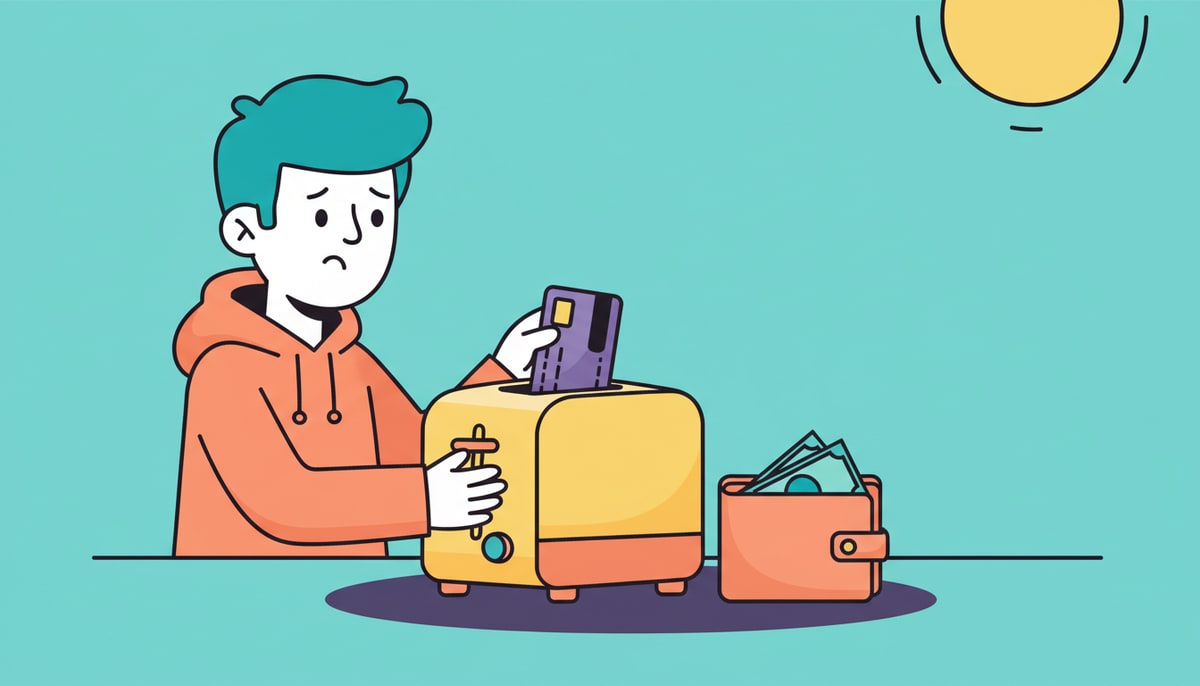
- It pulls money directly from a checking account. If the money isn't there, the card declines (or overdrafts, which is worse).
- There's no "payment later." The dollar is gone the moment it's swiped.
- Checking their balance is a habit, not an emergency response. Once a day, minimum.
- Tapping with a phone is the same as swiping a card — digital distance doesn't make it less real money.
The kids who get this early don't end up in the "I didn't know I had $4 in my account" overdraft spiral.
3. The Credit Card Trap (Before the First Offer Arrives)
College mailers and campus credit card tables exist specifically to catch 18-year-olds who don't understand interest. Teach the mechanics before anyone hands them a card.
- Minimum payment is a trap. Paying the minimum on a $1,000 balance at 24% APR means paying it off for years and spending hundreds in interest.
- Interest is not a fixed fee — it compounds on any unpaid balance.
- The move is: use a credit card like a debit card (only spend what you could pay cash for), pay the full balance every month, build a credit score.
- A credit score affects their first apartment, car loan, and job background check. It starts when they open their first line of credit.
If they internalize "pay it in full, every month, always," they'll skip the mistake that costs most adults five figures over their lifetime.
4. Budgeting by Category (Not by Line Item)
Teens don't need a spreadsheet. They need three numbers.
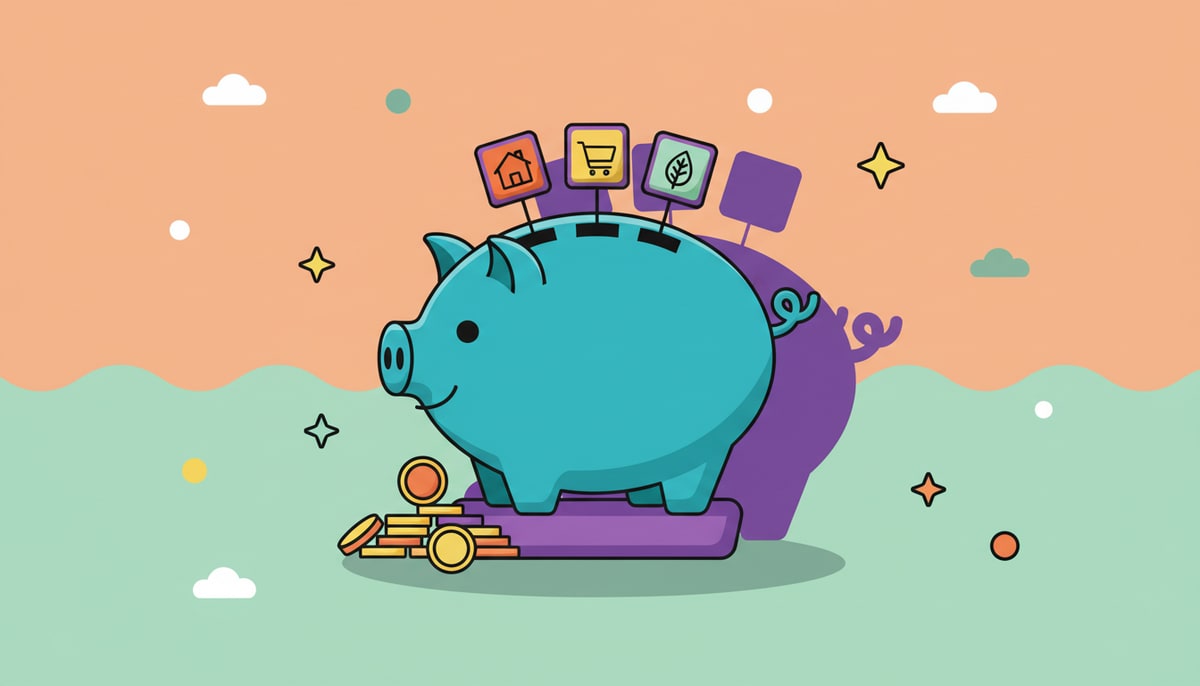
- Fixed: rent, phone, subscriptions — same every month
- Flexible: food, gas, fun — varies but has a ceiling
- Future: saving and giving — comes out first, not last
That's the whole budget framework. Once they know those three categories, any budgeting app or method they encounter later is just a tool to track the same three buckets.
Practice this while they're still at home. Give them a monthly "fixed + flexible" amount for phone, gas, and personal spending. Watch what happens the first month they blow through the flexible money by the 15th.
5. The 30-Year Habit
This is the skill that matters most and takes the least explanation.
Put a percentage of every paycheck into a retirement account starting with their first job. Even if it's $20 a month at age 16.
$20/month at 16 with 7% annual return becomes about $60,000 by age 65. Same $20 started at 26 becomes $30,000. Start at 36 and it's about $14,000.
The habit matters infinitely more than the amount. Get them used to a world where some of every dollar they earn goes into their future self's account — and stays there.
The Launch Checklist
Before they leave, a teen should be able to:
- Read and understand a pay stub
- Maintain a checking account with a debit card and never overdraft
- Explain what a credit score is and how to build one
- Run their own fixed/flexible/future budget for three months without help
- Know how to move money into savings or a brokerage account
If they can do those five things, they're ahead of most 30-year-olds. And you did your job.
Stay in the loop
We ship new free guides, printables, and the occasional deal — roughly twice a month. No spam, unsubscribe anytime.
Three streams available: 30-day welcome series, biweekly newsletter, and (opt-in) daily blog posts. Pick which you want after signing up. One click to unsubscribe from any.