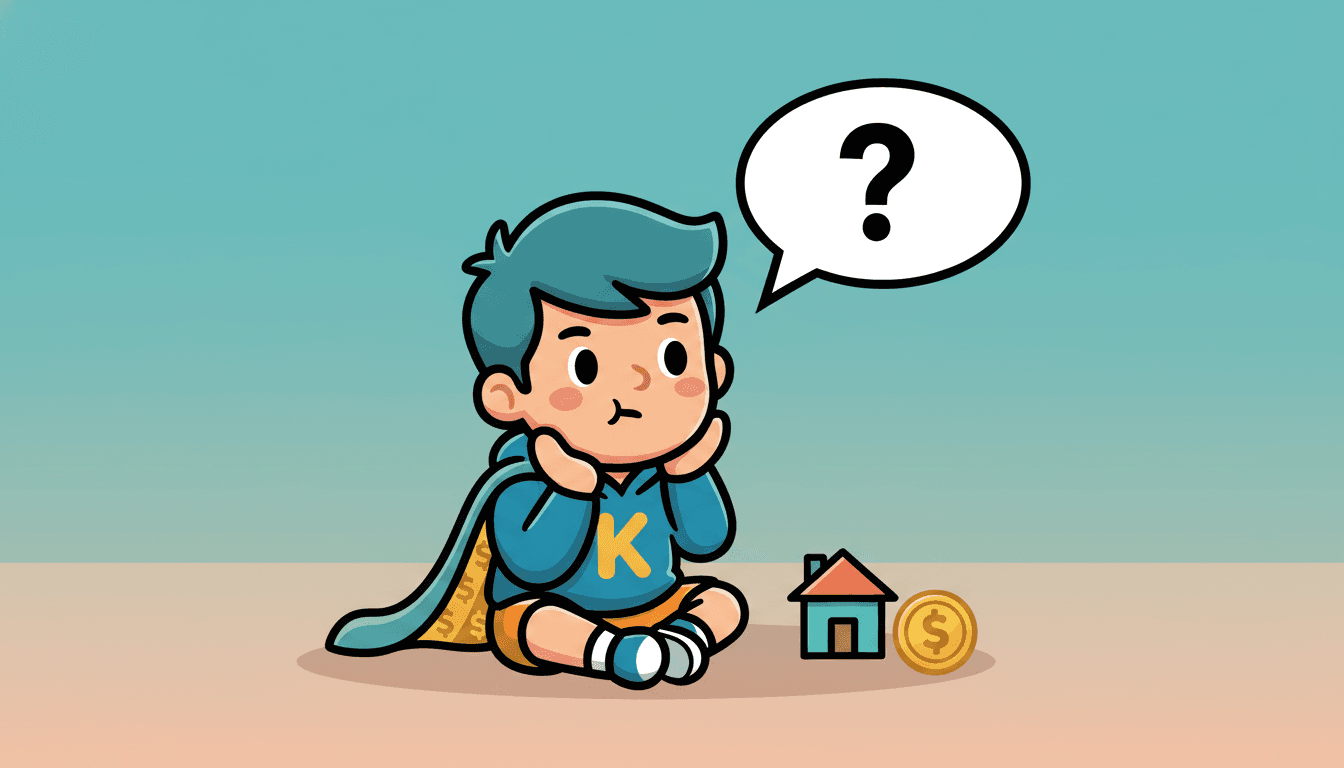
When Kids Ask 'Are We Rich?': Talking Honestly About Family Money
The hardest money question kids ask isn't about allowance. It's about you. Here's what to say — by age — without lying and without oversharing.
At some point your kid will ask a version of one of these:
- "Are we rich?"
- "Are we poor?"
- "Why does my friend have a bigger house?"
- "Why do we have this car and they have that one?"
- "How much money do you make?"
The instinct is to change the subject. Don't. This is one of the most important money conversations you'll ever have, and it's almost always triggered by a kid who's noticed something specific and is trying to make sense of the world.
How you answer — by age, with honesty that scales — shapes their entire relationship with money for decades.
1. What They're Actually Asking
Kids rarely ask abstract questions about money. The real question is hidden underneath.
- "Are we rich?" usually means: "Is our family okay? Are we safe?"
- "Why does she have a bigger house?" usually means: "Why am I different from her? Should I feel bad?"
- "How much do you make?" usually means: "Is this number a good one? Should I be proud or worried?"
Answer the real question first. Reassurance, context, and belonging before numbers.
2. Ages 4 to 7: Keep It Concrete
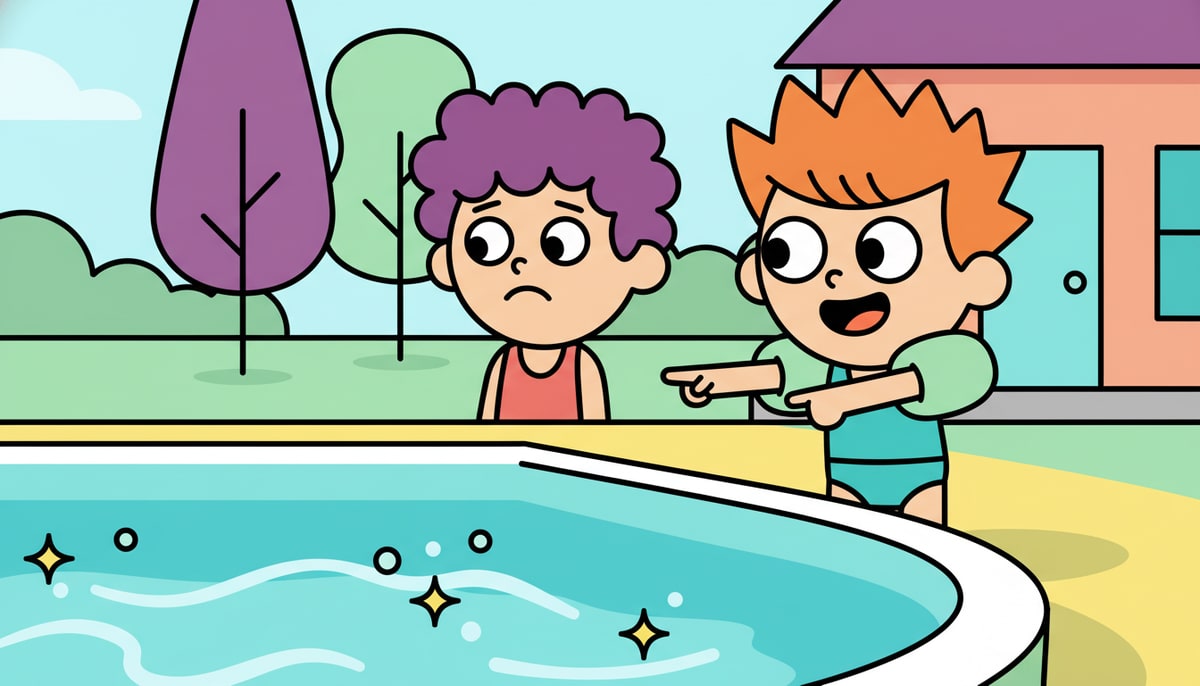
Small kids don't have a framework for wealth. "Rich" and "poor" to them means "has a pool" and "doesn't have a pool." Numbers are meaningless until around second grade.
What works:
- "We have enough for what we need, and we save up for the things we want."
- "Everyone's family has different amounts of money, just like everyone's house is a different size. Our family takes care of itself, and that's what matters."
- "Yes, that's a big house. Some families have more money and some have less, and most of that depends on the jobs people do. Ours works for us."
What to avoid: elaborate answers that introduce worry. A five-year-old does not need to understand your mortgage.
3. Ages 8 to 11: Introduce Tradeoffs
By third or fourth grade, kids can handle the idea that money is finite and choices are connected. This is where honest answers start to include tradeoffs.
What works:
- "We could afford X, but we chose to spend that money on Y instead. Every family picks different things to spend on."
- "Rich and poor aren't just two categories — it's more of a spectrum, and it changes throughout life. Grandpa was poor when he was young and is more comfortable now."
- "I don't want to tell you exactly how much I make, because that's private — the same way we don't ask other people how much they make. But I can tell you we're comfortable and we're not worried."
This is the age to introduce the word "comfortable." It's honest, it's non-specific, and it gives a kid a word to use when their friends ask.
4. Ages 12 and Up: Start Showing the Numbers
Middle school is when kids can genuinely understand family finances, and withholding at this age starts to backfire. They're about to enter a world where they need to evaluate college costs, summer jobs, and life goals — and you're the primary teacher.
What works:
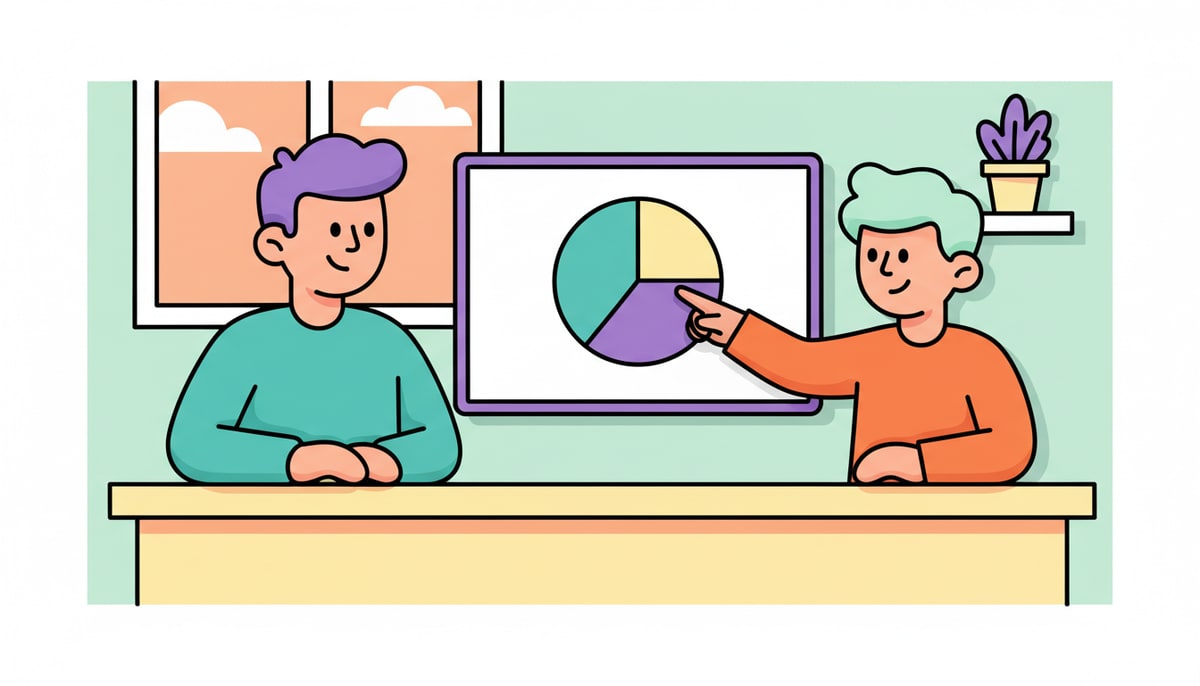
- "Our household income is about X. Of that, about Y goes to taxes, Z goes to the house, this much to food, this much to saving. Here's what's left over at the end of the month."
- "We're not wealthy, but we have enough that we don't worry about bills. That's not true for everyone, and it's worth noticing."
- "We're doing well financially because we work hard and we've been lucky. Plenty of people work just as hard and have less, because of things outside their control."
At this age, the risk of silence is larger than the risk of oversharing. A 13-year-old who doesn't know roughly how their family's finances work will start making assumptions — and the assumptions are almost always worse than the reality.
5. The Comparison Conversation
The specific trigger for most of these questions is a friend with more. A friend with vacations, a bigger house, a newer car, newer shoes.
Some truths to plant early:
- People's outside lives don't show their inside finances. Families with visible wealth are sometimes broke, and families that look modest are sometimes wealthy. You can't tell from the outside.
- Debt and wealth look the same from across the street. A neighbor's new SUV might be owned outright or it might be a car payment that's stretching them.
- Income isn't the same as wealth. People who make a lot and spend all of it end up worse off than people who make less and save consistently.
- Status spending is a trap we try to avoid as a family. We buy things because we want them and can afford them, not because we want other people to see them.
This one conversation, repeated at different ages, is a vaccine against a lifetime of status-driven spending.
6. If You're Struggling
If money is actually tight right now, the rules change. A kid who senses stress and is told "everything is fine" will mistrust you later. A kid who is told "we're broke, be worried" will carry scarcity into adulthood.
The honest middle path:
- "Things are tighter than usual right now. We're handling it. You don't need to worry, but I do need you to understand why we're saying no to some things."
- "Every family goes through seasons. Our family takes care of itself, and we'll get through this one."
- "The reason I'm saying no to that trip isn't that you don't deserve it. It's that this year we're focused on X."
Specificity and calm. A child who knows what's happening feels safer than a child who can feel something is wrong but isn't told what.
7. The Questions You Should Answer Honestly at Every Age
Some questions deserve a real answer no matter how young the kid is:
- "Are we going to be okay?" — If the answer is yes, say yes with conviction. If it's complicated, say "we will be, and here's why."
- "Did I do something wrong that costs money?" — No, basically ever. Reassure directly.
- "Can we still have dinner?" — Absolutely yes, and make the dinner a little more fun that night.
Those three questions aren't about money. They're about safety. Answer them as questions about safety, not as questions about budgeting.
The Underlying Lesson
The way you talk about money is the way your kid will talk about money for the rest of their life. Kids learn that money is shameful from parents who won't discuss it, that money is stressful from parents who panic, and that money is a tool from parents who treat it like one.
Treat it like a tool. Out loud. Every time they ask.
Stay in the loop
We ship new free guides, printables, and the occasional deal — roughly twice a month. No spam, unsubscribe anytime.
Three streams available: 30-day welcome series, biweekly newsletter, and (opt-in) daily blog posts. Pick which you want after signing up. One click to unsubscribe from any.